The world of football journalism is a dynamic landscape, frequently brimming with speculative narratives and sensationalized reports. This analysis dissects recent prominent headlines, focusing on the unexpected veracity of certain transfer stories and the common pitfalls of media framing. It also scrutinizes the discourse surrounding player attributes, such as speed, and how such discussions often diverge from objective reality. Ultimately, the article underscores the intricate relationship between sports reporting and public perception of players and clubs.
The Unforeseen Accuracy of Transfer Narratives
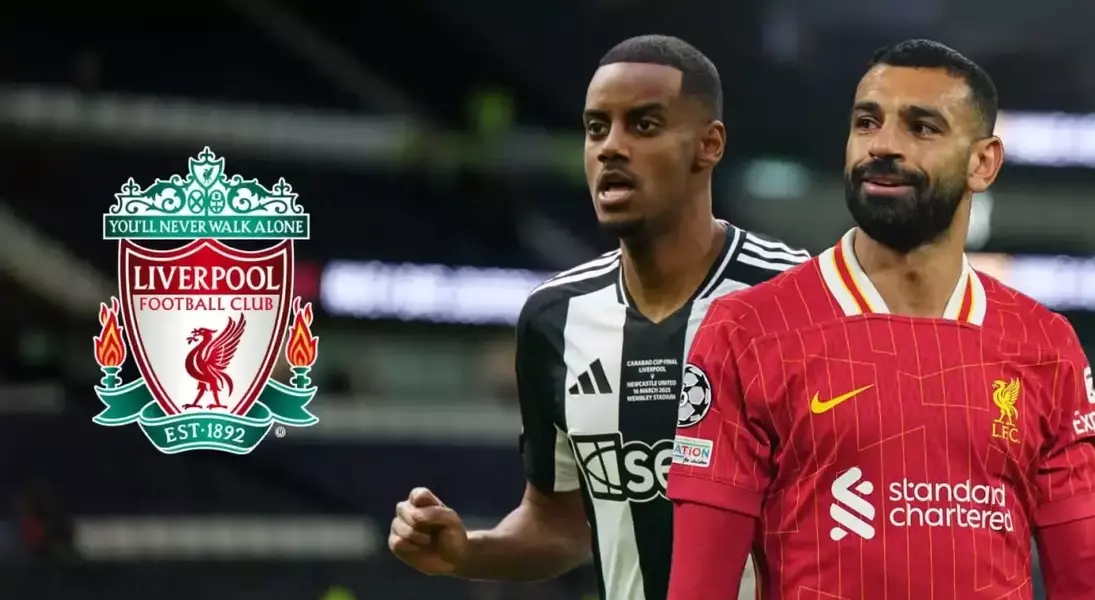
Recent football news cycles have been dominated by discussions surrounding potential player movements, notably the speculated transfer of Alexander Isak to Liverpool. What sets this particular saga apart is the unusual alignment between initial media reports and subsequent developments. Traditionally, transfer rumors are fraught with ambiguity and often prove to be unfounded, serving more as clickbait than reliable information. However, in this instance, early reports, despite their sensational tone, have appeared to accurately reflect ongoing negotiations and interest from the Merseyside club. This deviation from the norm has caused a stir among observers accustomed to a more speculative approach from certain news outlets.
The surprising accuracy of these transfer narratives has challenged conventional expectations within sports journalism, particularly regarding outlets known for their sensationalist headlines. The Mirror's coverage of Isak's potential move, for instance, used phrases typically associated with exaggerated or misleading content, yet the underlying claims about Liverpool's renewed bid and the 'approved transfer' seem to hold water. This unexpected fidelity to actual events has left many in the football community bewildered, questioning the established patterns of media reporting. It prompts a re-evaluation of how such news is consumed and whether a new era of more direct, albeit still dramatically presented, transfer reporting is emerging. The implications extend beyond just player transfers, touching upon how fans interpret and trust the information they receive about their favorite teams and athletes.
Deconstructing Player Performance and Media Portrayals
Beyond transfer talk, media outlets frequently construct narratives around player performance, often focusing on specific attributes like speed. A recent example involves the discussion of Jeremie Frimpong's pace and how it purportedly redefines the speed hierarchy in the Premier League, even at the expense of established quick players like Mohamed Salah. While objective data from sources like FotMob can provide insights into top speeds, the media's interpretation often simplifies complex athletic capabilities into a singular, often sensationalized, metric. This can lead to misrepresentations of a player's overall contribution and influence on the pitch, prioritizing a single statistic over a holistic view of their skills.
The media's portrayal of player attributes, particularly speed, often falls into the trap of oversimplification and dramatic framing. The narrative suggesting Mohamed Salah has "lost his crown" as the Premier League's fastest player to Jeremie Frimpong, despite Frimpong's impressive top speed, exemplifies this. Such statements overlook the broader context of Salah's consistent performance across multiple seasons and his continued status as a top-tier athlete. While Frimpong's speed is a notable asset, equating it to a direct "replacement" for Salah's overall impact on the field, or suggesting Salah is now somehow deficient, distorts the reality of their respective roles and contributions. Moreover, it highlights the media's tendency to create compelling storylines, even if they sometimes deviate from a nuanced understanding of player capabilities and long-term career trajectories. The emphasis on singular, sensationalized statistics can obscure the multifaceted nature of football performance.
