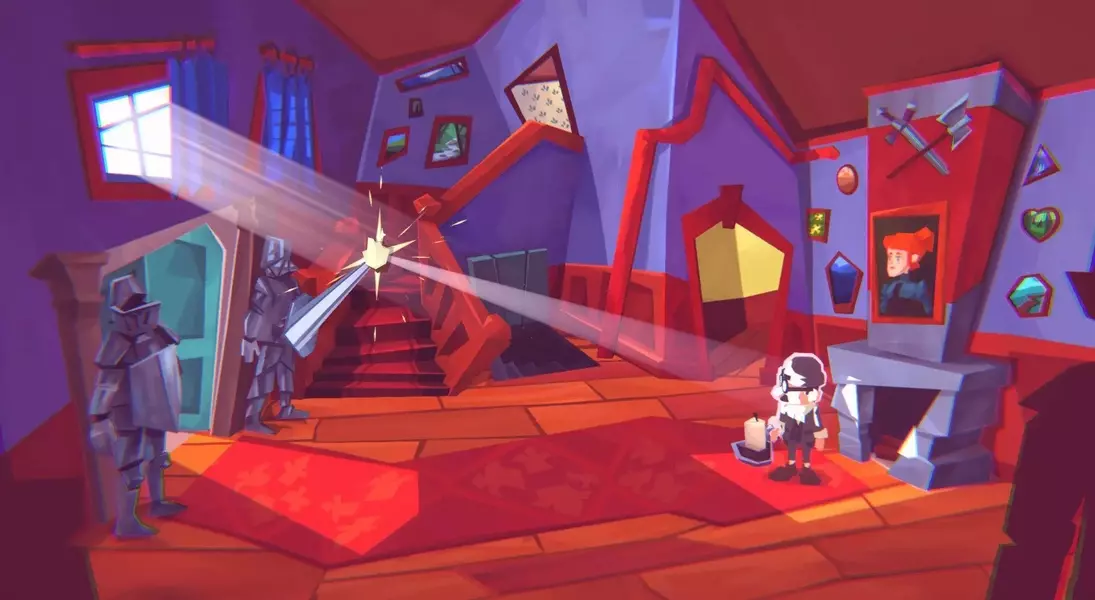
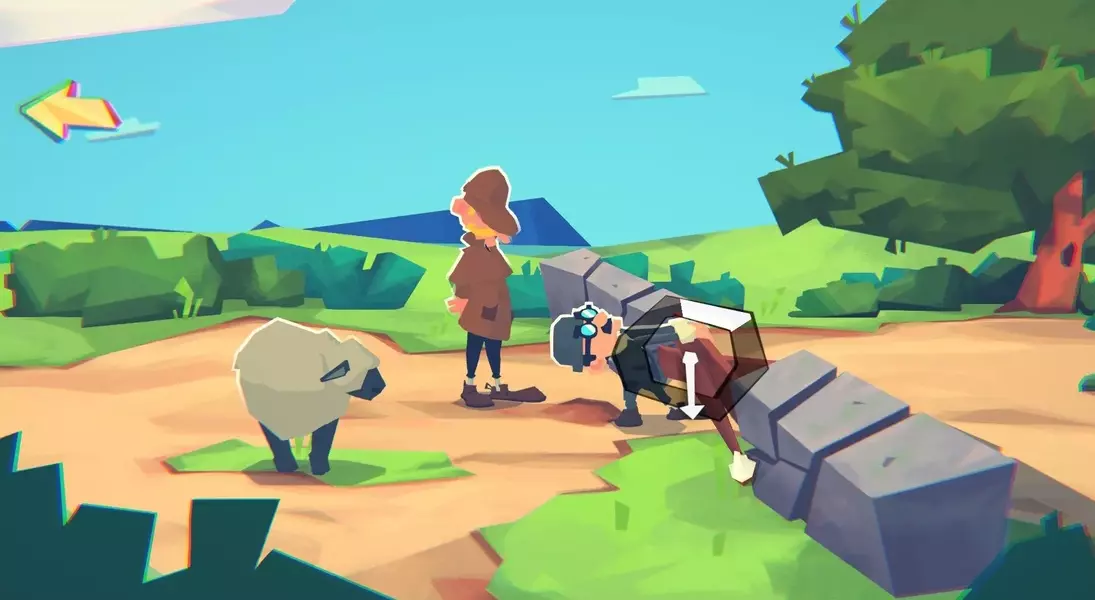
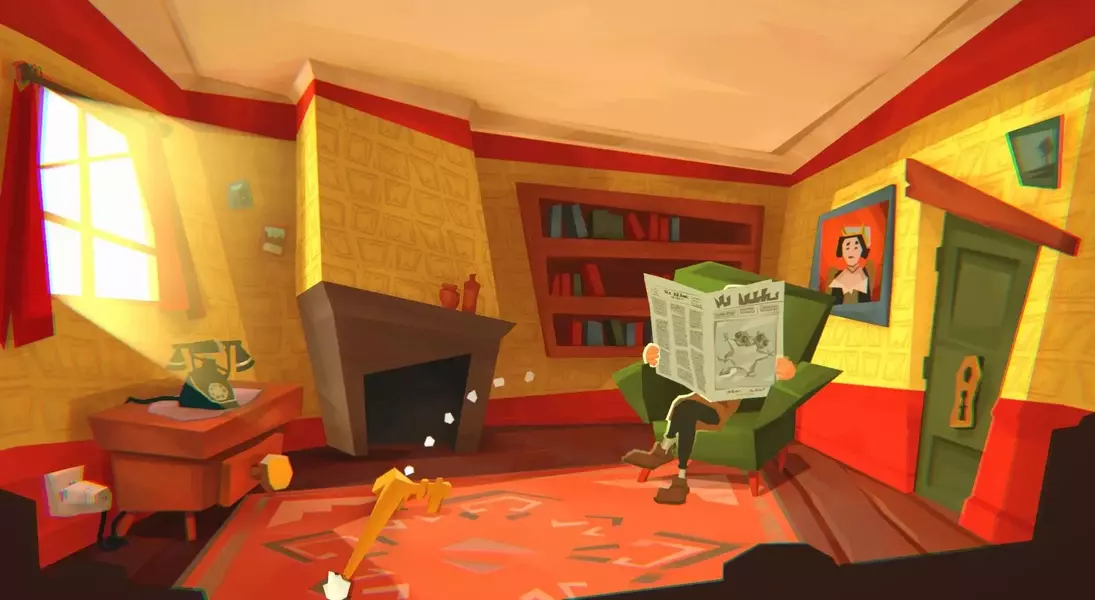
Draw Me A Pixel's forthcoming adventure, Crushed in Time, promises a unique blend of humor and innovative gameplay, as detailed by its writer and director, Pascal Cammisotto. This meta-narrative game immerses players in the chaotic world of game creation, where the in-game detective duo, a comically inept Sherlock Holmes and Watson, navigate challenges rooted in the fictional game's launch-day woes. The interview with Cammisotto sheds light on the deliberate comedic timing, the distinctive tactile interaction mechanics, and the intricate process of designing puzzles without a conventional inventory system, all of which contribute to Crushed in Time's refreshing approach to the adventure genre.
The Genesis and Mechanics of Crushed in Time: A Conversation with Pascal Cammisotto
In an exclusive interview, Pascal Cammisotto, the creative force behind Draw Me A Pixel's upcoming adventure title, Crushed in Time, shared profound insights into the game's unique conceptualization and development journey. Cammisotto revealed that the game, much like its predecessor There Is No Game: Wrong Dimension, is a meta-story, cleverly designed to place players within the act of game-making itself, exploring its inherent complexities and occasional absurdities. Drawing eclectic inspiration from the deductive wit of Sherlock Holmes, the refined humor of P.G. Wodehouse, and the charming antics of Wallace and Gromit, Crushed in Time cultivates a distinctly British comedic sensibility, aiming for an experience that is both funny and deeply endearing.
A central pillar of Crushed in Time's innovation lies in its tactile interaction system. Eschewing traditional point-and-click inventory management, the game challenges players to solve puzzles by directly manipulating environmental elements through a physics-based "poke and pull" mechanic. Cammisotto elaborated on the extensive trial-and-error involved in perfecting this elastic mechanic, which, despite its apparent simplicity, presented significant technical hurdles. He highlighted how this design choice, which prevents players from having an inventory, necessitated meticulously planned puzzles where objects must be logically transportable within the game's environment, deepening the immersive and coherent narrative of being "inside" a video game.
Furthermore, Cammisotto discussed the appeal of crafting a meta-narrative, noting that the constant breaking of the fourth wall was a key factor in the success of his previous work. For Crushed in Time, this meta-aspect is intertwined with a unique time-travel concept, where players explore the game's production timeline. This narrative angle offered a wealth of creative possibilities, allowing Cammisotto to integrate even the most whimsical ideas into the final product. The visual style, inspired by classics like Day of the Tentacle, further enhances the game's distinct identity, with its broken perspectives and separation of game worlds contributing to a truly unique aesthetic. Cammisotto expressed his hope that Crushed in Time, with its fresh mechanics and engaging narrative, will transcend the niche label often associated with adventure games, inviting a broader audience to discover the joy of this inventive genre.
The development of Crushed in Time offers a fascinating glimpse into the artistic and technical challenges of game design. Cammisotto's dedication to innovative mechanics and compelling storytelling reminds us that creativity thrives when developers dare to break conventions and explore new forms of player engagement. This game, with its blend of humor, meta-narrative, and tactile puzzles, could well serve as a blueprint for how adventure games can evolve to capture the imaginations of a wider gaming community.
