
The digital landscape is undergoing a profound transformation, driven by innovative AI technologies. Among these advancements, Perplexity's Comet browser emerges as a notable contender, aiming to redefine how we interact with the internet. This cutting-edge platform integrates artificial intelligence directly into the browsing experience, promising enhanced efficiency and a more intuitive digital workflow. By automating mundane tasks and intelligently processing vast amounts of information, Comet seeks to elevate the user's online journey beyond conventional browsing capabilities. However, its current iteration reveals a blend of revolutionary potential and areas ripe for further development, sparking debate on the true impact of AI on our daily digital lives.
As AI models grow increasingly sophisticated, capable of intricate reasoning and autonomous task execution, their application in web browsers becomes a natural progression. Comet, built on the Chromium engine, leverages Perplexity's powerful search engine and an integrated AI assistant to offer a distinct paradigm in online interaction. This integration enables the browser to perform complex actions across multiple tabs and platforms, a significant leap from simple, single-page chatbot functions. Such innovation arrives at a pivotal moment, with shifts in the browser market creating openings for new players. The pursuit of automating and condensing our online experiences is a central focus for the AI sector, driven by the promise of accelerating tasks and alleviating cognitive overload, thereby reshaping the future of web navigation.
Transforming Daily Digital Tasks
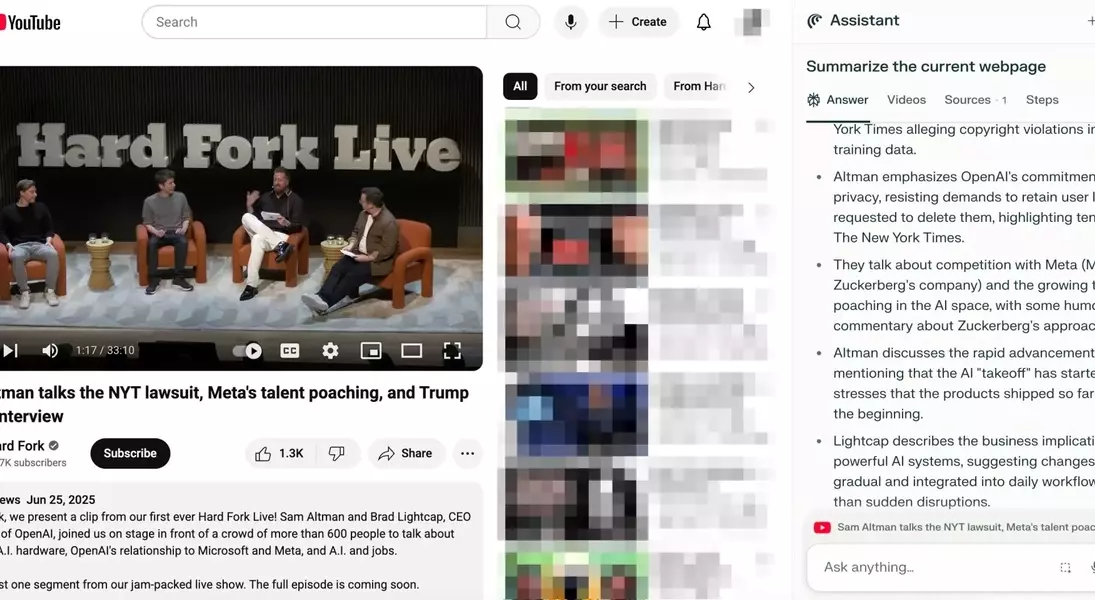
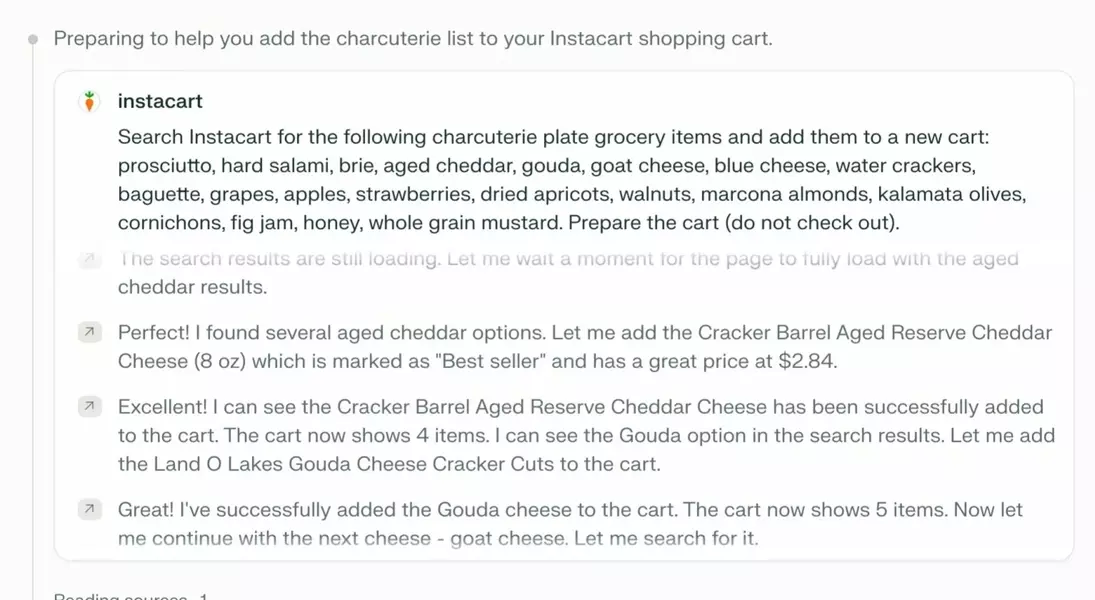
Perplexity's Comet browser introduces intriguing AI-driven features designed to automate and simplify everyday online activities. Its capabilities range from intelligent grocery list creation and automated product addition to cart on platforms like Instacart, showcasing a practical application of its AI assistant. The browser also aims to revolutionize content consumption through its summarization tools, providing concise overviews of lengthy web pages, social media feeds, and even YouTube videos. Furthermore, Comet integrates advanced tab management, allowing for the automatic organization and categorization of open browser tabs, enhancing productivity for users juggling multiple online tasks. These features highlight Comet's ambition to move beyond traditional browsing by actively assisting users in their digital routines.
The AI assistant within Comet offers a glimpse into a future where browsers are active participants in our online endeavors. For instance, when tasked with grocery shopping, the AI can navigate e-commerce sites, identify products, and add them to a virtual cart. While this process can save considerable time, the AI's default selection criteria (e.g., lowest price, best-selling items) might not always align with individual preferences, necessitating user oversight. Similarly, the content summarization feature, while convenient for quickly grasping the essence of articles or videos, occasionally struggles with nuance, potentially overlooking critical details or failing to prioritize information effectively. For example, in summarizing a podcast, the AI might miss key humorous exchanges, presenting a broad overview that lacks the depth of human understanding. The automated tab organization, a much-welcomed feature for power users, efficiently groups related tabs, though it sometimes creates new categories for single, unrelated tabs, adding minor clutter. Despite these minor imperfections, Comet's direct integration of AI functionalities represents a bold step towards a more intelligent and assistive web browsing experience, promising significant time-saving potential once its capabilities are further refined and tailored to diverse user needs.
The Promise and Perplexities of AI Browsing
The advent of AI-powered browsers like Perplexity's Comet heralds a new era in digital interaction, characterized by enhanced automation and intelligent content processing. While showcasing impressive potential in streamlining routine tasks such as shopping and content summarization, the current implementation reveals inherent challenges. The AI's decision-making process, particularly in automated purchasing, may not always align with user preferences, demanding a degree of manual verification that can negate efficiency gains. Similarly, its summarization capabilities, though useful for quick overviews, sometimes lack the nuanced understanding required to distill the most critical or subtle aspects of complex content. These limitations underscore the ongoing developmental journey of AI in practical applications, where balancing automation with human control and predictive accuracy remains a key hurdle.
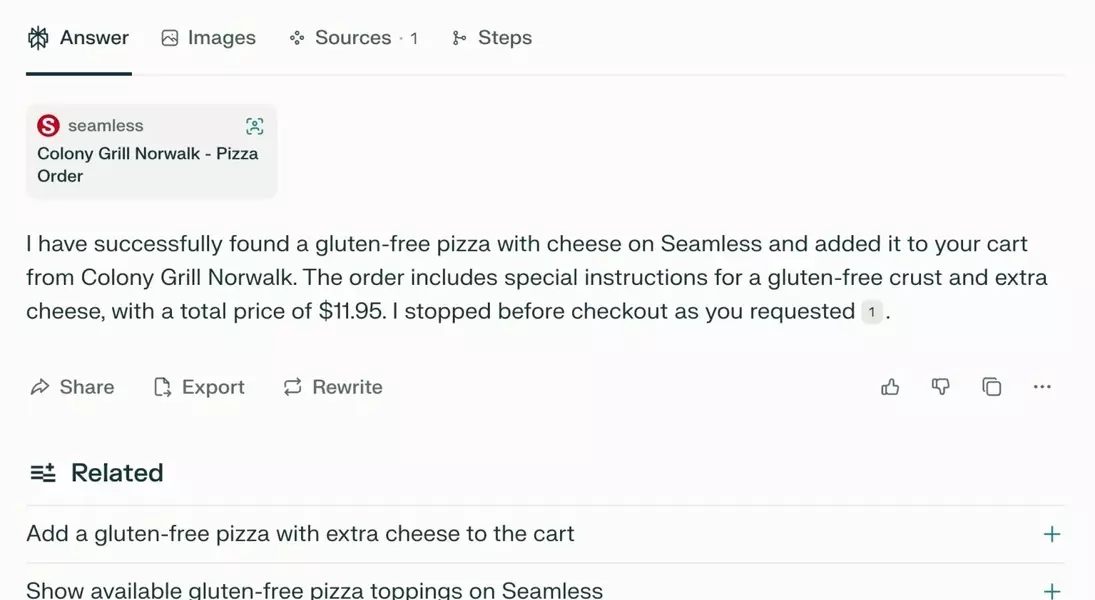
Perplexity Comet's introduction into the browser market is strategically timed, coinciding with shifts in dominance and increased opportunities for innovation. Operating on Chromium, it provides a familiar foundation for users, easing the transition from conventional browsers. The promise of an AI browser lies in its ability to adapt and learn from user behavior, offering increasingly personalized and efficient experiences. However, the reliance on AI for tasks like detailed content summarization or specific product selection can lead to discrepancies between expected and actual outcomes. For example, a request for a gluten-free pizza might result in the AI adding a regular pizza with a special instruction note, highlighting a gap in its interpretive abilities. This necessitates users to double-check the AI's actions, potentially diminishing the intended time-saving benefits. Furthermore, the broader implications concerning user privacy and data security within an AI-driven browser environment are paramount and warrant thorough exploration. As Comet continues to evolve, addressing these challenges will be crucial for realizing its full potential as a transformative tool in the highly competitive web browser landscape, ultimately determining its value proposition for a broader audience seeking a more intelligent and autonomous online experience.
