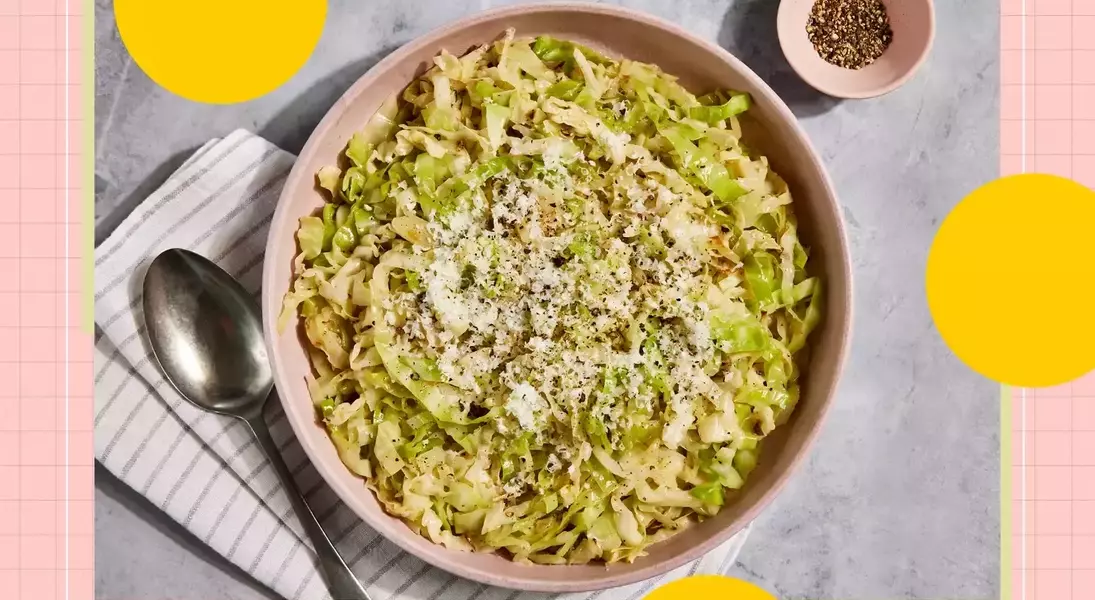
Cabbage, often overlooked in the kitchen, is a surprisingly versatile and nutritious vegetable. While it might seem mundane, its potential to enhance a variety of dishes is immense. From adding a crisp texture to fish tacos to providing a hearty base for stir-fries and braises, cabbage plays a crucial role in many global cuisines. This article explores how to elevate this humble ingredient into a star dish, drawing on the wisdom of culinary professionals.
Mastering the Art of Sautéing Cabbage: Insights from Top Chefs
The Fundamental Role of Sautéing in Cabbage Preparation
At the heart of transforming cabbage into an exceptional meal lies the technique of sautéing. This rapid cooking method, involving high heat and a small amount of fat, is essential for achieving that desirable tender-crisp texture with subtle charring. The term "sauté" originates from the French word for "to jump," reflecting the constant movement required to ensure even cooking. Achieving mastery in this method depends on three critical elements: selecting the correct pan size, meticulous heat management, and precise seasoning.
Selecting the Right Cookware for Optimal Results
To maximize the browning and evaporation necessary for perfectly sautéed cabbage, culinary expert Heidi Fink suggests using the largest pan available. A spacious pan allows for more contact between the cabbage and the heat source, preventing steaming. Additionally, she advises uniformly cutting the cabbage to ensure consistent cooking. This attention to detail guarantees that every piece reaches the desired tenderness simultaneously.
Controlling Temperature for Desired Cabbage Texture
Effective heat control is paramount when sautéing cabbage, influencing its final texture. Heidi Fink recommends starting with high heat and sufficient fat to coat the pan. For a softer result, the heat can be lowered and the pan covered, allowing the cabbage to braise gently. Food stylist and former chef Carla Contreras prefers beginning with olive oil in a cold pan, then gradually increasing the heat. She adds a touch of sea salt and freshly ground pepper, sautéing until the cabbage is wilted yet retains a slight bite. For even greater tenderness, a splash of water or vinegar can be added and reduced. In contrast, chef Rachael Narins advocates for a screaming hot, dry cast-iron pan, adding only cabbage and salt. This method yields a charred exterior, preserving crunch and enhancing the vegetable's natural sweetness without added fat.
The Crucial Element of Proper Seasoning
Carla Contreras emphasizes that inadequate seasoning is a common pitfall that can render dishes bland. A simple yet generous application of salt and pepper is often the key to unlocking rich flavors, mimicking the taste appeal found in restaurant-prepared meals. Regularly tasting the cabbage throughout the cooking process allows for adjustments, ensuring the seasoning meets personal preferences and culinary goals.
Optimal Cabbage Varieties for Sautéing
Sautéing is a versatile technique applicable to various cabbage types. Contreras notes that white, red, and Napa cabbages all perform well. Fink adds that red cabbage is firmer than green, while Savoy is more delicate, and Napa cabbage is the most tender. Narins, passionate about cabbage, suggests Napa or Savoy for their inherent tenderness. Fink highlights Napa's adaptability, thriving in both soups and when browned for deeper flavor. She also praises green cabbage for its versatility. When preparing any variety, Fink insists on slicing or chopping rather than shredding to avoid excessive liquid release during cooking.
Addressing Common Cabbage Cooking Errors
Many common mistakes in cooking cabbage are easily rectified. Fink points out that unevenly cut cabbage and using an undersized pan are frequent errors. Narins advises removing or thinly slicing the tough core. All chefs stress the importance of tasting throughout the cooking process. Contreras explains that this allows cooks to personalize the texture, ensuring it's perfectly suited to their palate.
Inspiring Cabbage-Based Culinary Creations
Once the sautéing technique is mastered, the culinary possibilities with cabbage are endless. Fink suggests combining Savoy cabbage with butter, leeks, and fresh thyme, or Napa cabbage with ginger, garlic, and oyster sauce. Contreras proposes sautéed cabbage as a base for grain bowls, topped with seasonal vegetables and protein. Narins enjoys simple buttered cabbage with caraway seeds or fresh dill. Finishing touches, like a splash of cider vinegar and a sprinkle of pepitas or sunflower seeds for crunch, can elevate the dish further.
Final Thoughts on Cabbage Preparation
Although sautéing is a preferred method, Fink believes there's no single "best" way to cook cabbage, as it depends on the variety and season. She favors coleslaw and lightly steamed cabbage in summer, and braised cabbage or stir-fries in winter. Regardless of the type or method, proper pan size, heat control, and seasoning are essential. Cabbage is also a nutritional powerhouse, rich in vitamins C and K, low in calories, and potentially beneficial in preventing chronic diseases. With a bit of culinary knowledge, cabbage can easily transform from a background player to a star on any dining table.
