


Embrace a fresh perspective on curly hair care, moving beyond traditional methods to understand and enhance your natural curl pattern with expert guidance.
Unleash Your Curls' True Potential: A Modern Grooming Manifesto
Reimagining Curly Hair: Beyond the "Unruly" Label
Gone are the days of battling unruly curls. Contemporary grooming philosophy advocates for understanding and nurturing your hair's inherent qualities, rather than attempting to force them into submission. Renowned hair stylist Kavya Rajpowell highlights a common misconception: curly hair isn't difficult; it simply demands adequate moisture, defined structure, and a suitable haircut. Many individuals mistakenly believe that aggressive brushing will control curls or that conditioner is unnecessary for shorter hair.
The Art of Cleansing: Preserving Your Curls' Natural Integrity
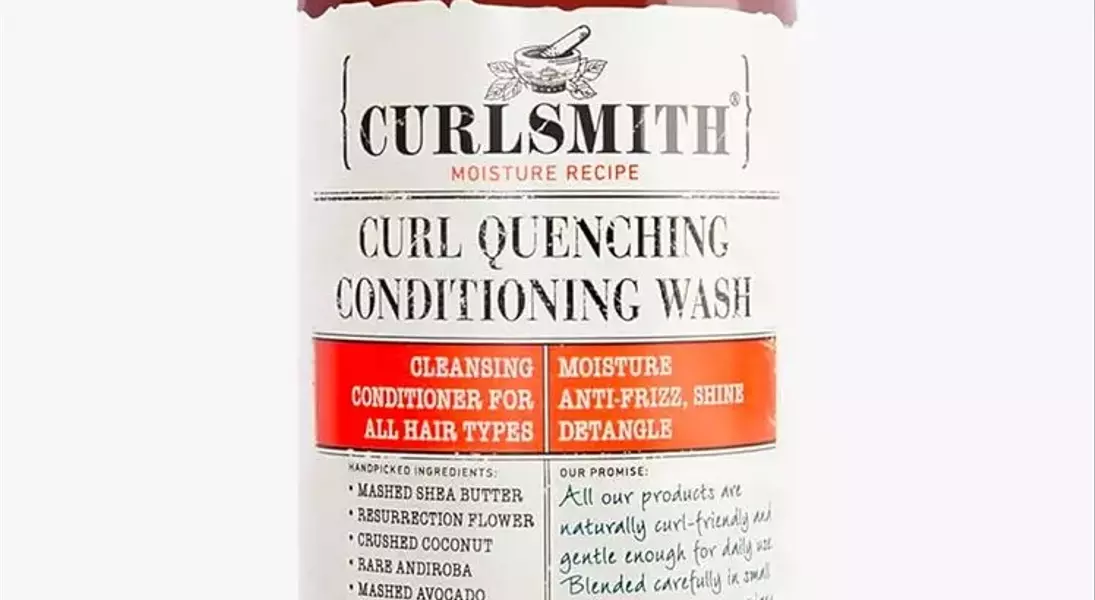
According to Rajpowell, the secret to healthy curls lies in preservation, not stripping. She champions the use of sulfate-free, low-lather cleansers or co-washes that effectively clean without disrupting the hair's essential lipid layer. A frequent error men make is the washing schedule. Rajpowell advises cleansing curls two to three times weekly, but stresses that this should be dictated by the hair's actual condition, not merely routine. The objective is to revitalize the scalp while maintaining the cuticle's smoothness, allowing curls to form naturally through sustained hydration rather than post-wash intervention. Among her top recommendations is Curlsmith Curl Quenching.
Elevating Conditioning: Crafting Engineered Curls
Rajpowell distinguishes between a good conditioner, which merely softens, and a great one, which actively shapes the curl. She points to a well-balanced moisture-protein mask as a crucial component. For optimal results, apply it to damp hair, focusing on mid-lengths to ends, and allow it to penetrate for 10-15 minutes, ideally with gentle heat. Heat, she explains, acts as a catalyst to ensure deeper absorption rather than just a superficial coating.
The Post-Shower Imperative: Seizing the Moment for Curl Formation
The period immediately following a wash is pivotal for curly hair, a window of opportunity often missed. Rajpowell notes that many common issues, such as a flat crown or frizzy hairline, stem from vigorous towel-drying. Rubbing hair aggressively generates friction, instantly destroying curl definition. Men frequently overlook the importance of setting curls while they are still saturated with water. Once this moment passes, you find yourself struggling against the hair instead of guiding it. Curls necessitate product application immediately onto soaking-wet hair to seal in moisture and facilitate their natural formation. Any delay, she emphasizes, is a primary contributor to frizz.
Strategic Product Application: The "Cocktail Styling" Approach
Relying on a single product for curly hair is a recipe for underperformance. Rajpowell advocates for a "cocktail styling" method, involving a combination of products. Her recommended approach includes a cream for hydration and softness, a gel for structure and hold, and a mousse to introduce volume without adding weight. She explains that moisture establishes the foundation, gel maintains the shape, and mousse elevates the curl. This interplay is essential; an imbalance in any element can lead to either excessive dryness or heaviness, compromising the curl's integrity.
The Optimal Curly Hair Routine: Precision and Patience
Rajpowell advises working with hair that is thoroughly wet, as damp hair offers less control. Water, she notes, serves as the distribution system, and the technique involves guiding curls into place rather than forcing them. Her renowned method entails several key steps: first, divide your hair into sections and rake a leave-in cream through each section with your fingers, followed by the "praying hands" technique to smooth the cuticle. Next, scrunch the hair upwards towards the scalp until you hear a distinct squelching sound. Then, gently glaze a gel onto your hair and scrunch again to lock in the products without disturbing the newly formed curl clumps. After product application, use a microfiber towel or an old cotton T-shirt to gently scrunch your hair, absorbing excess water and ensuring products remain on the strands. Crucially, resist touching your hair while it dries, as this is the primary cause of frizz. Finally, once completely dry, scrunch out any crunchiness from the gel using a small amount of hair oil on your hands, revealing soft, bouncy, and defined curls.
Understanding Oils: Sealants, Not Sole Moisturizers
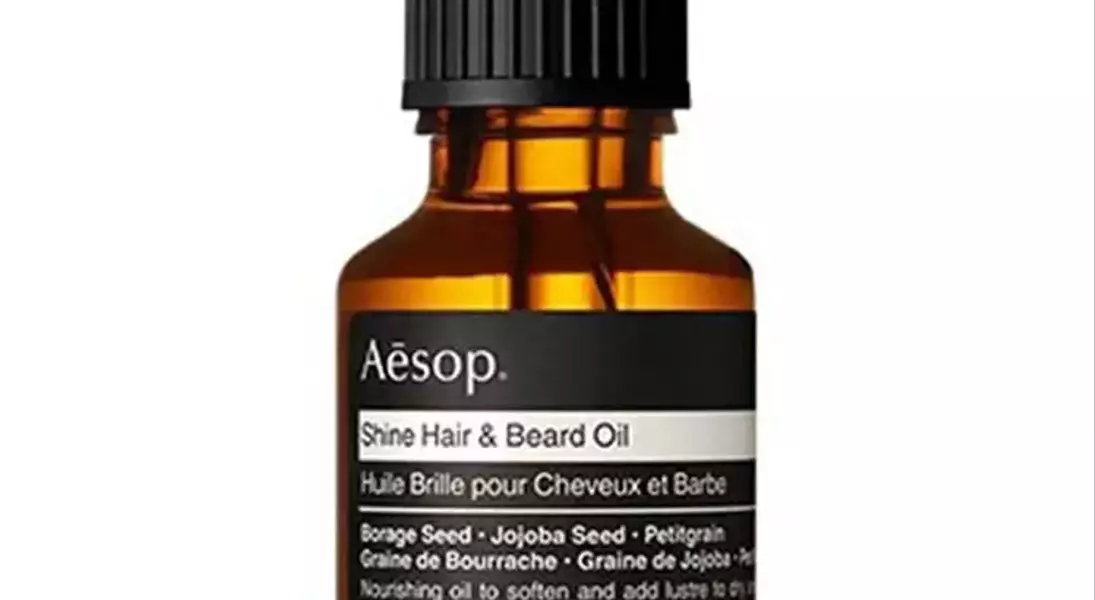
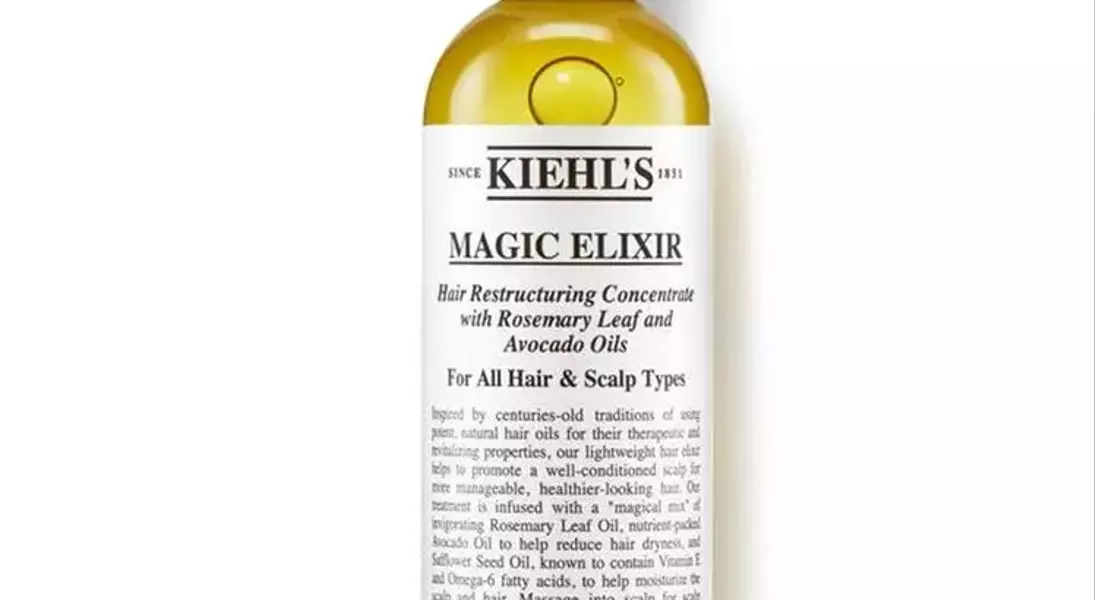
The role of oils in curly hair routines has often been misconstrued. Rajpowell clarifies that oils are frequently misapplied as moisturizers instead of their true purpose: sealants. When applied to dry hair, they create a barrier that traps existing dryness, resulting in a shiny surface but dehydrated strands. The correct strategy involves applying oil to damp or wet hair after a water-based leave-in or cream, effectively sealing in the hydration.
Adapting Your Routine: Climate's Impact on Curl Chemistry
Climate significantly alters hair's chemical composition, according to Rajpowell. Humidity causes hair to swell and lifts the cuticle, while heat accelerates moisture loss, destabilizing the curl pattern. The solution is not to use more products but to adjust your strategy. Rajpowell's method for climate adaptation includes regular deep cleansing and strategic oil application to protect against environmental stressors.
Specific Care for Active Individuals: Gym-Goers and Swimmers
For individuals who frequently exercise or swim, Rajpowell emphasizes treating sweat and chlorine as external disruptors. If you work out daily, she recommends using a co-wash instead of shampoo for three out of four workouts to cleanse salt from the scalp while keeping hair hydrated. For swimmers, she advises drenching hair in fresh tap water before entering chlorinated water, as hair acts like a sponge and will absorb less chlorine if already saturated with clean water. Additionally, applying a light conditioner or penetrating oil to wet hair before wearing a swim cap offers further protection.
