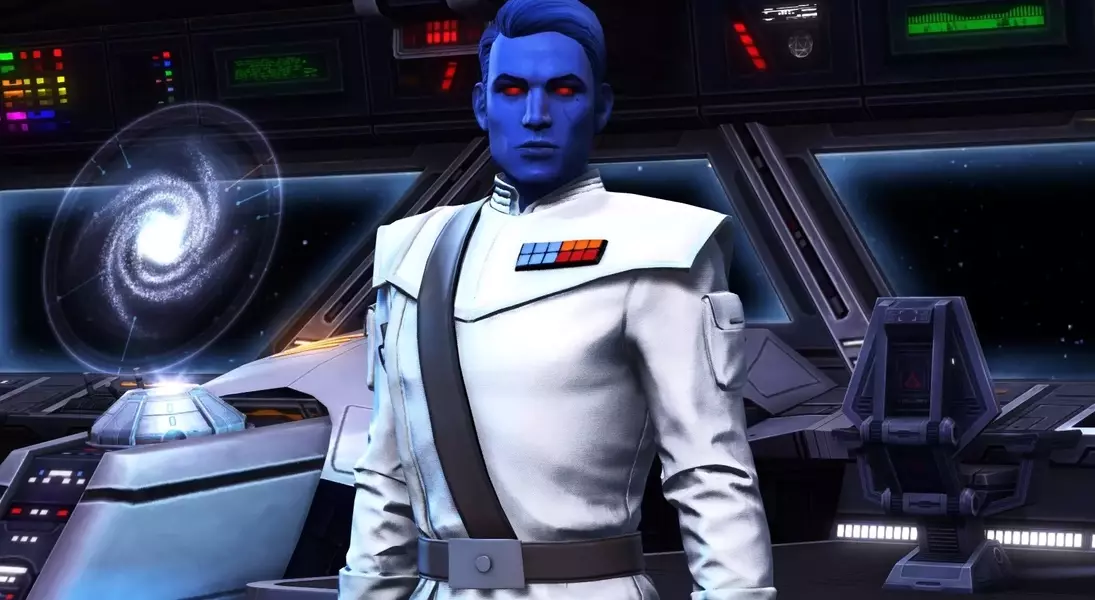
The story of "Star Wars: The Old Republic" (SWTOR) is intertwined with the surprising journey of its initial director, James Ohlen. Despite having no previous experience or even a fondness for massively multiplayer online games, Ohlen was tasked with leading the development of what would become one of the most ambitious and costly video games of its era. His unique perspective and reliance on a talented team shaped SWTOR's distinct narrative focus, which set it apart in the MMO landscape. However, his vision for a significant reboot, "Star Wars: The New Republic," was ultimately rejected, leading to his departure from BioWare. This narrative highlights the unpredictable nature of game development and the complex interplay between creative vision, business decisions, and the personal toll on a project's leader.
Ohlen's experience serves as a testament to both the audacious spirit required in large-scale game creation and the inevitable compromises that arise. From initially disliking MMOs to becoming the steward of a $200 million project, his tenure on SWTOR was marked by a deep dive into an unfamiliar genre, leveraging the expertise of his colleagues, and navigating corporate challenges. The game, despite a rocky launch, cultivated a dedicated community and generated substantial revenue, proving its long-term viability. Yet, the story also reveals the personal sacrifices made and the frustration of unfulfilled creative aspirations, culminating in Ohlen's decision to leave BioWare and subsequently step away from another major project due to burnout.
The Unconventional Path of an MMO Director
James Ohlen, a seasoned veteran of BioWare with a distinguished portfolio including iconic titles like "Baldur's Gate" and "Knights of the Old Republic," embarked on an unexpected journey when he was appointed the original director for "Star Wars: The Old Republic." In a candid reflection, Ohlen disclosed that prior to this monumental undertaking, he held no affinity for massive multiplayer online games and had never engaged with the genre as a player. This revelation sheds light on the unconventional circumstances surrounding the birth of SWTOR, a game that would eventually command an estimated budget exceeding $200 million, making it one of the most expensive video games developed at the time of its 2011 launch. His appointment highlights a striking leap of faith from BioWare's founders, Ray Muzyka and Greg Zeschuk, who entrusted him with the ambitious endeavor, despite his initial detachment from the very genre he was tasked to redefine. Ohlen’s dedication to understanding the genre, even if initially coerced, ultimately played a crucial role in shaping the game's unique narrative-driven approach.
Upon receiving the mandate to lead the development of an MMO, Ohlen immediately immersed himself in the world of online gaming, specifically citing "World of Warcraft" as a key title he played extensively to grasp the mechanics and appeal of the genre. He humorously recounted forcing himself to appreciate these games, an act of professional diligence that underscores his commitment to the project. Despite his personal preferences, Ohlen recognized the critical importance of leveraging the strengths of his development team. He explicitly relied on his lieutenants, such as lead writer Daniel Erickson and lead combat designer Georg Zoeller, to manage the intricate details and endgame content, particularly Gabe Amatangelo, who was the designated "MMO expert." Ohlen's primary role transitioned into high-level decision-making and ensuring the narrative integrity—a BioWare hallmark—remained a core differentiator for SWTOR. This collaborative leadership model was crucial in navigating the complexities of creating a massive, story-rich online experience.
Creative Ambitions and Corporate Realities
Reflecting on the launch of "Star Wars: The Old Republic," James Ohlen expressed a mix of pride and regret, particularly concerning the ambitious scope of the initial content. The development team poured an extraordinary amount of effort into creating approximately 200 hours of gameplay spread across eight distinct origin stories. In hindsight, Ohlen suggested that a more focused approach, perhaps offering around 60 hours across a couple of more developed storylines, might have yielded a stronger initial impact. He observed that the sheer volume of content necessitated a shift from pure creativity to more rule-based design, inevitably leading to a more standardized and less innovative experience. His ultimate vision for the game was a grand online extension of "Knights of the Old Republic," yet he felt it eventually became perceived as merely a "WoW in space," indicating a deviation from his original creative aspirations and highlighting the challenges of balancing scale with depth.
Ohlen's creative ambitions extended to a proposal for a major relaunch under a new title, "Star Wars: The New Republic," a bold move that had the backing of EA executive Patrick Söderlund. However, this transformative vision was ultimately rejected by EA's board of directors, who, remembering the significant financial investment of the original launch—estimated at $300 million—were hesitant to commit further resources to a reboot. Ohlen candidly described this rejection as a pivotal moment, marking the "beginning of the end" of his long tenure at BioWare, which spanned 22 years until his departure in 2018. Despite the personal and creative setbacks, SWTOR has proven its enduring success, maintaining a loyal player base and reportedly generating close to $1 billion in revenue by 2019. Ohlen's later career saw him co-found Archetype Entertainment and develop the sci-fi RPG "Exodus," but even this venture was cut short due to personal health reasons and burnout, underscoring the intense pressures inherent in the game development industry.
