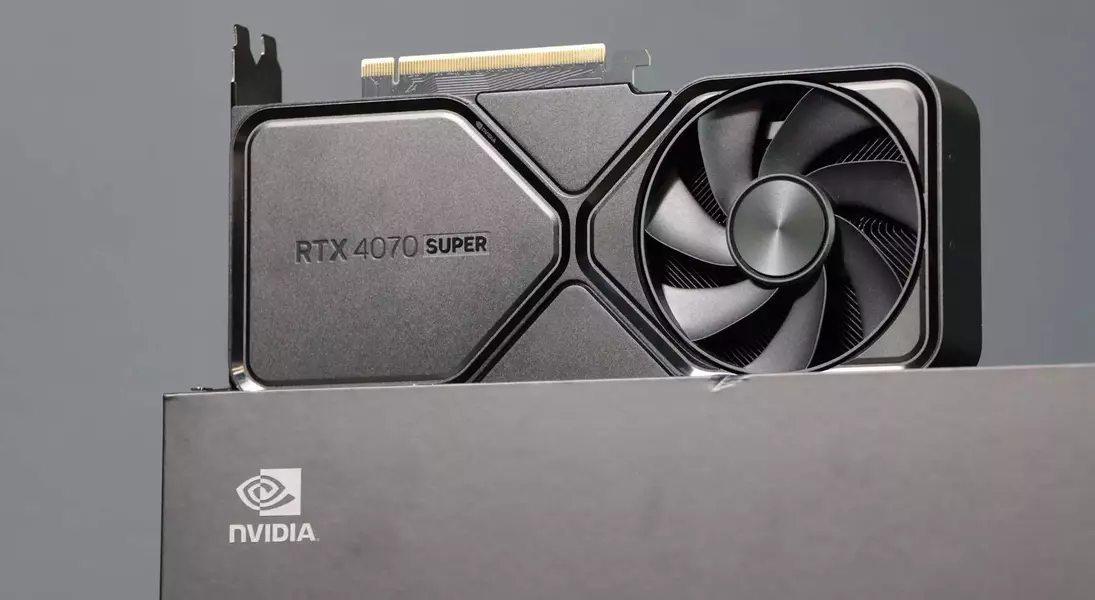

This exploration delves into the unexpected efficacy of deploying unofficial Multi Frame Generation (MFG) enhancements on the Nvidia RTX 4070 Super. While Nvidia's official support for this feature on 40-series graphics cards is limited to 2x, community-driven modifications have opened avenues for testing up to 4x MFG. The findings reveal a surprisingly fluid gameplay experience across a range of titles, albeit with minor visual inconsistencies. This suggests that existing hardware may offer greater potential than officially sanctioned, potentially delaying the need for costly upgrades.
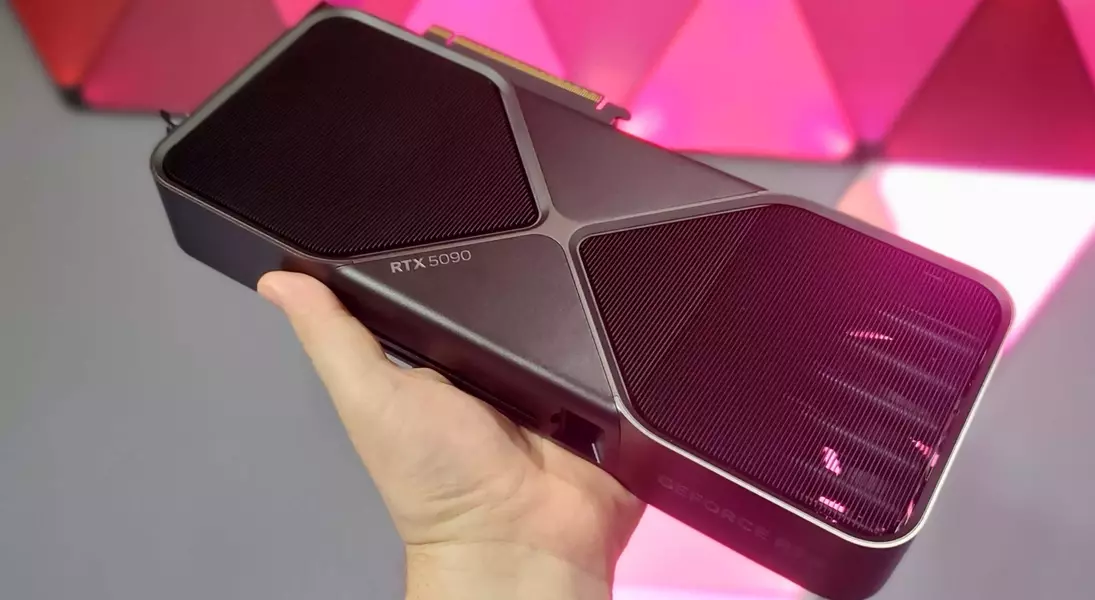
Multi Frame Generation, an AI-powered technique, significantly enhances gameplay fluidity by inserting additional frames between those rendered by the GPU. Initially, Nvidia introduced a 2x Frame Generation feature with its RTX 40-series lineup. However, advanced iterations, like 6x MFG, were exclusive to the more recent RTX 50-series, which boasts superior Tensor cores and a dedicated AI Management Processor (AMP) for optimized frame delivery. This hardware disparity meant that older cards, such as the RTX 4070 Super, were ostensibly limited in their MFG capabilities.
Despite these official constraints, the PC gaming community, known for its ingenuity, has developed unofficial modifications. By utilizing tools like the ReShade HDR Installer, users can bypass these limitations, enabling higher MFG rates on RTX 40-series cards. The author's personal experience with an RTX 4070 Super involved testing up to 4x MFG, far exceeding the official 2x limit. This experiment aimed to push the boundaries of current hardware and assess the real-world performance implications, offering a potential reprieve from immediate upgrades to the more expensive RTX 50-series.
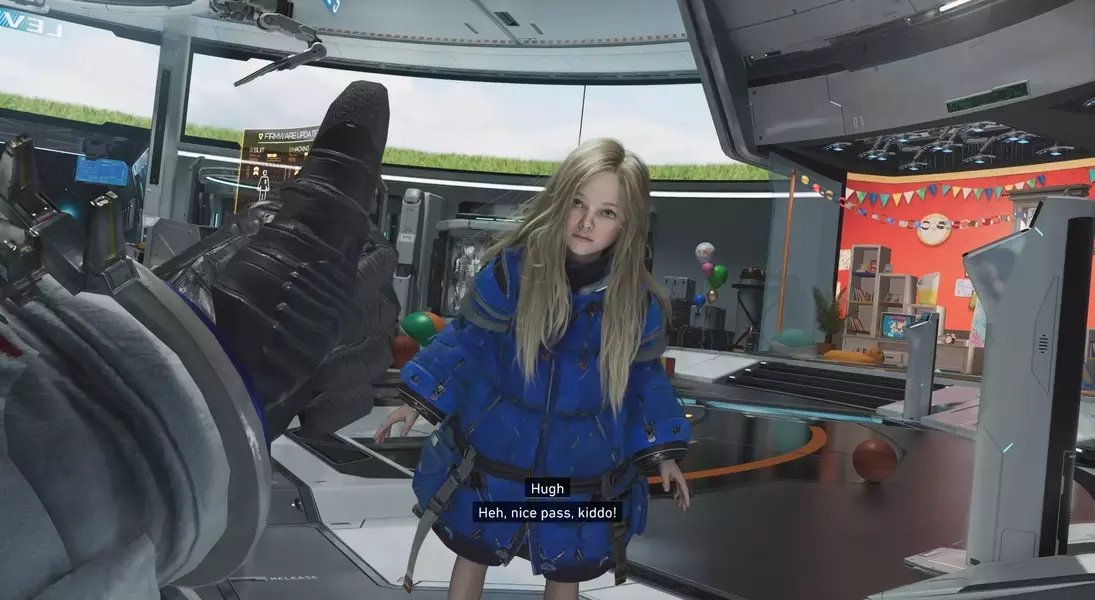
The testing methodology involved playing single-player games at 1440p resolution with High graphical settings and DLSS set to 'Balanced' mode. Ray tracing and similar technologies were disabled to ensure a controlled environment. The selection of games, including story-rich titles like "Lost Records: Bloom & Rage" and "The Thaumaturge," which surprisingly support higher MFG rates, provided a diverse testing ground. It was crucial to stick to single-player games to avoid any anti-cheat system flags that unofficial mods might trigger in multiplayer environments.
While the unofficial 4x MFG delivered a noticeable boost in average frame rates across most titles, certain visual artifacts were observed. In "Lost Records: Bloom & Rage," the experience was largely smooth, with only minor softening of distant shadows. However, "Vampire: The Masquerade - Bloodlines 2" presented frame hitching and significant ghosting, especially during rapid movement, highlighting the limitations of unsupported enhancements. Similarly, "The Thaumaturge" showed more subtle ghosting during cutscenes and combat, indicating that even turn-based scenarios could be affected. "Cyberpunk 2077," despite high frame rates, exhibited flickering issues, underscoring the instability that can arise from pushing hardware beyond its intended parameters.
Nvidia CEO Jensen Huang previously acknowledged the potential of bringing advanced AI technologies to older GPUs but noted the substantial engineering effort required. The results of this unofficial testing echo his sentiment: while impressive gains are possible, they often come with compromises in stability and visual fidelity. Nevertheless, for users of RTX 40-series cards, these unofficial methods offer a compelling way to extend the lifespan of their hardware and enjoy smoother gameplay, proving that innovation isn't always confined to official channels.
