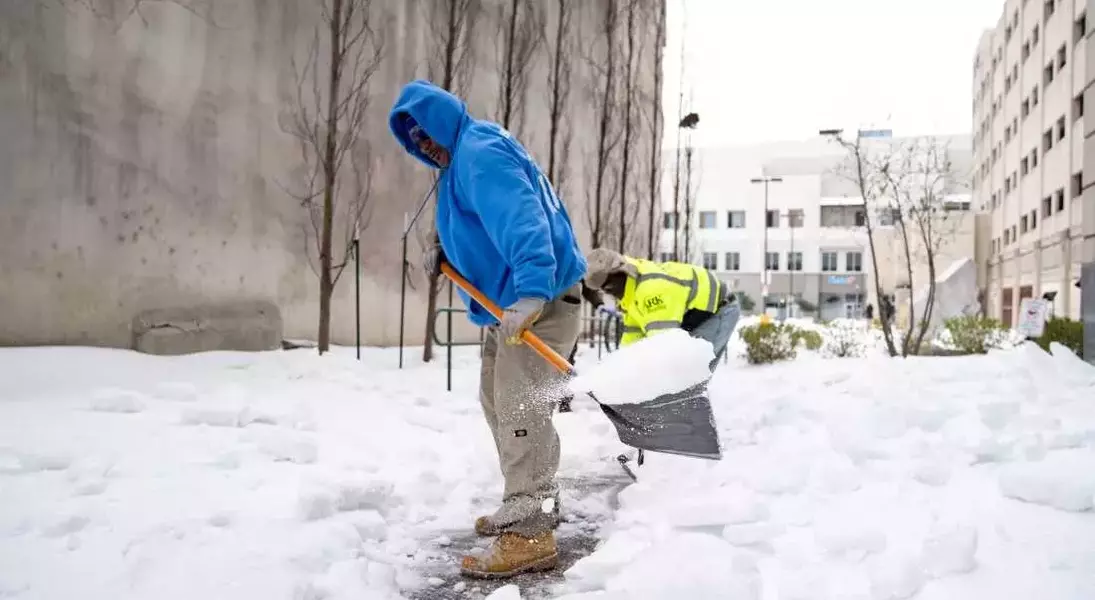
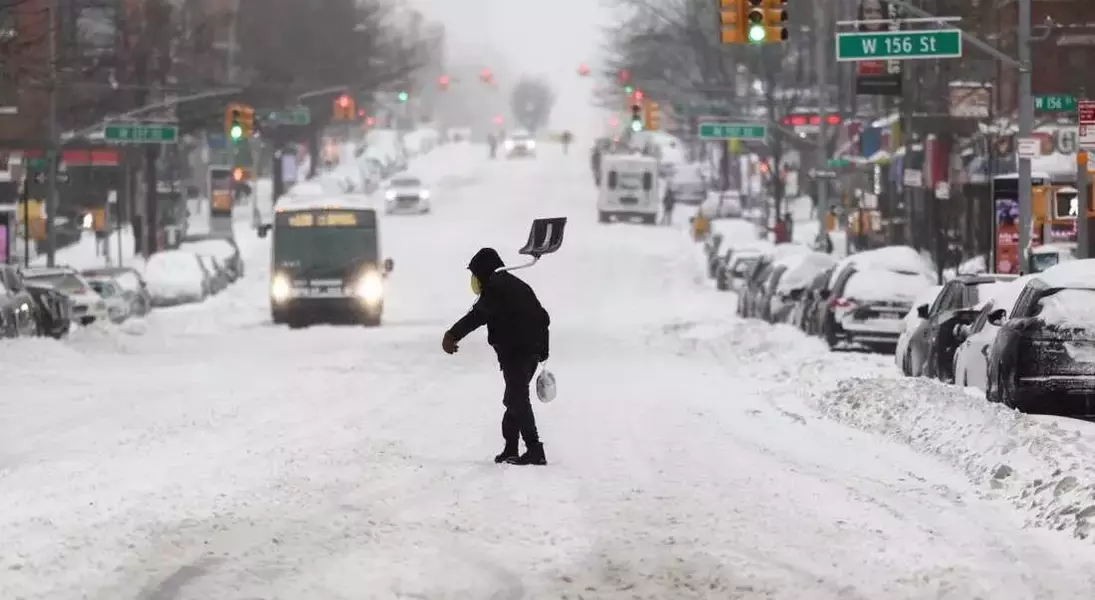
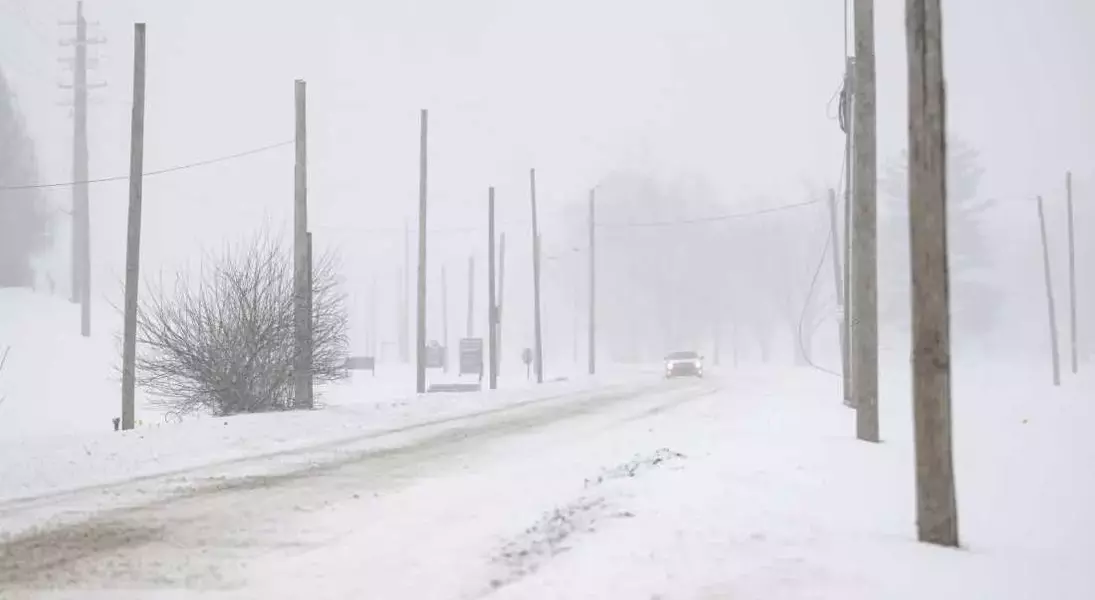
A formidable winter storm has descended upon the eastern two-thirds of the United States, unleashing a destructive combination of heavy snow, treacherous ice, and biting cold. This widespread weather event is impacting tens of millions of people stretching from the southwestern state of New Mexico to the northeastern region of New England.
Details of the Widespread Winter Storm's Impact Across the Nation
As of Sunday evening, January 25, 2026, nearly a million households across the Southern United States found themselves without electricity. States such as Tennessee, Mississippi, Louisiana, and Texas bore the brunt of these power interruptions. Concurrently, a winter storm warning was in effect for states spanning from Missouri to Maine. Forecasters from the National Weather Service expressed particular apprehension regarding the dangers posed by freezing rain and ice accumulation. Nicholas Price, a meteorologist with the NWS in Texas, emphasized the various hazards associated with major ice events, including frozen bridges and overpasses, as well as the risk of trees and other debris falling onto roads or structures.
The storm has also wreaked havoc on air travel, with more than 11,000 flights within the U.S. canceled and over 4,200 delayed by Sunday evening, according to FlightAware. Numerous state officials have strongly advised motorists to avoid non-essential travel. Across various states, local authorities and emergency services have been actively responding to the crisis. In Alabama, Lauderdale County reported over 100 downed trees and several accidents, prompting Governor Kay Ivey to declare a state of emergency and activate the National Guard. Arkansas Governor Sarah Huckabee Sanders issued a similar emergency declaration, deploying 170 National Guard members to assist. Connecticut faced potential snow accumulations of up to 20 inches, leading Governor Ned Lamont to activate a Severe Cold Weather Protocol and impose a ban on commercial vehicles. In Delaware, Governor Matt Meyer urged residents to remain indoors, with driving restrictions implemented in New Castle and Kent Counties. The nation's capital, Washington D.C., declared a state of emergency, with all flights canceled out of Reagan National Airport and most from Dulles International, and federal offices closing on Monday.
Georgia experienced freezing rain, sleet, and snow in its northern and central regions, resulting in the closure of the University of Georgia campus. Illinois's Springfield declared a snow emergency, and the Illinois Department of Transportation reported eight collisions involving snowplows. Indiana residents were warned of frostbite risks due to wind chills as low as 20 degrees below zero, and the state's electric grid operator issued a conservation alert. Kentucky saw over 75,000 people lose power, with Governor Andy Beshear noting that ice accumulation was greater than anticipated. Louisiana reported more than 140,000 power outages, leading Governor Jeff Landry to declare a state of emergency. Maine anticipated significant snowfall and wind chills reaching 25 degrees below zero. Maryland Governor Wes Moore declared an emergency, while Massachusetts expected 1-2 feet of snow, prompting Boston Mayor Michelle Wu to declare a snow emergency and parking ban. Mississippi recorded over 150,000 power outages, primarily due to downed trees from freezing rain. Missouri officials warned of dangerously cold temperatures, with 143 stranded drivers and 144 crashes reported. Nebraska, New Hampshire, and New Jersey also opened warming centers and issued travel warnings. New York anticipated 1-2 feet of snow in most areas, with New York City schools shifting to remote learning. North Carolina experienced sleet and freezing rain, leading to numerous flight cancellations at Charlotte Douglas International Airport. Ohio faced predictions of up to a foot of snow, with concerns about rock salt shortages. Oklahoma saw multiple rounds of snow, and while the storm had passed, hazardous road conditions and extreme cold persisted. Pennsylvania cities, including Philadelphia, received significant snowfall, leading to school closures and public transport suspensions. South Carolina braced for a crippling ice storm, with warnings of extensive power outages. Tennessee reported over 316,000 power outages, with residents experiencing loud cracking noises from falling trees and exploding transformers. In Texas, one fatality was linked to the extreme cold, and Austin experienced a thicker-than-expected layer of ice. Vermont anticipated 8 to 16 inches of snow, opening emergency shelters for the extreme cold. Virginia Governor Abigail Spanberger issued an emergency declaration, urging residents to stay home. Finally, West Virginia warned of black ice and opened warming centers for the unhoused population.
This severe winter weather event serves as a stark reminder of nature's power and the critical importance of preparedness. The widespread disruptions highlight the need for robust infrastructure capable of withstanding extreme conditions, and for individuals to heed warnings and take proactive measures for their safety. Furthermore, the collaborative efforts of state and local agencies, alongside community support for vulnerable populations, underscore the resilience required to navigate such challenging circumstances.
