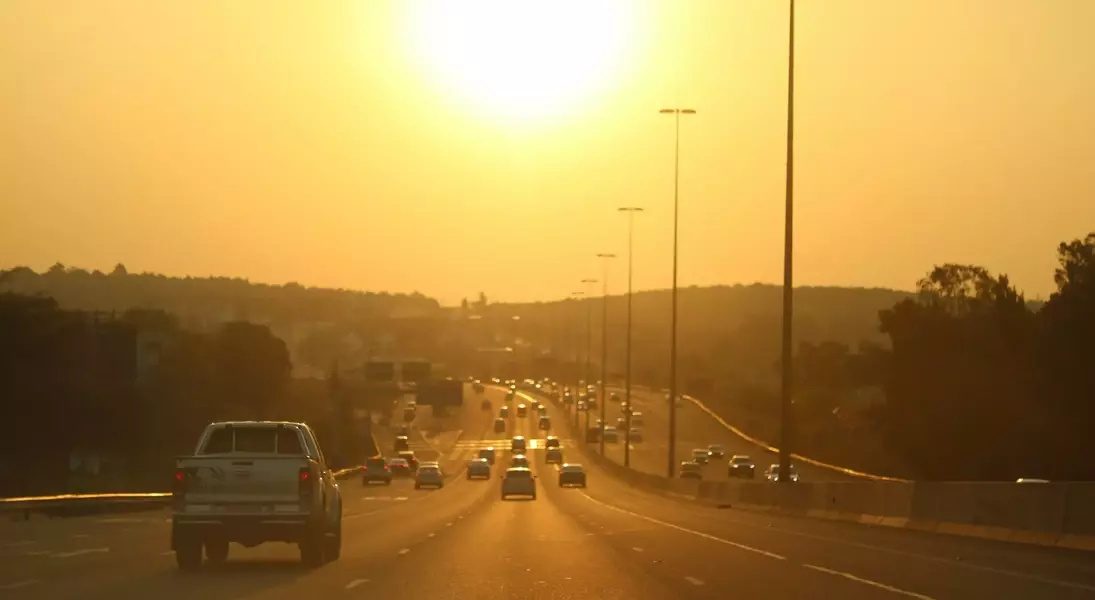

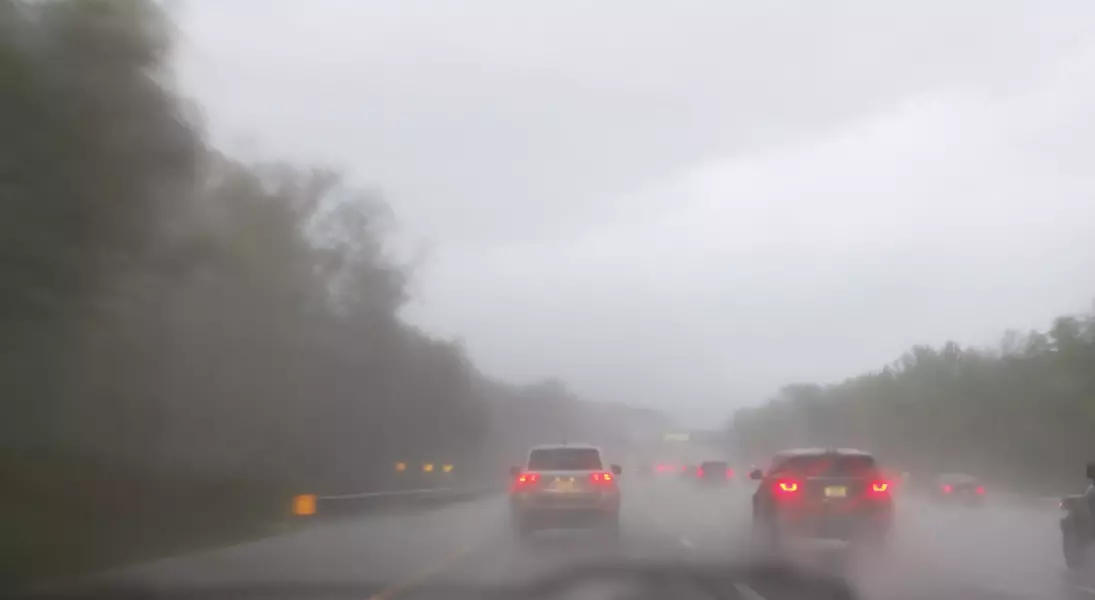
The United States is currently facing a remarkable dichotomy in its weather patterns, with vast regions experiencing drastically different climatic conditions this week. Following a recent major storm system, an intense cold front has swept across the Southern states, pushing temperatures down to freezing points, with some areas like central Alabama expecting lows of 25 degrees Fahrenheit. This cold air mass is then projected to extend its reach into the Southeast, prompting freeze warnings until mid-week. In stark contrast, the Western states, specifically parts of Arizona, California, and Nevada, are under an extreme heat advisory. Forecasters predict triple-digit temperatures, potentially reaching 114 degrees Fahrenheit, which could shatter existing March heat records by a significant margin, signaling an unusually early onset of summer-like conditions.
These extreme weather events pose unique challenges for residents and travelers. For those in the South, the icy conditions necessitate heightened caution on roads, as reduced traction can lead to increased stopping distances and a higher risk of accidents. Motorists are advised to maintain greater distances between vehicles, reduce speed, and ensure that their cars are free of snow and ice, paying particular attention to lights and windows. Additionally, older car batteries are especially vulnerable to the cold and should be checked for signs of weakness, such as slow cranking, which may indicate a need for replacement. Meanwhile, in the scorching Western heat, preparedness is key for drivers. Carrying an emergency kit with ample water, checking and topping off all essential vehicle fluids, and inspecting hoses for damage are crucial steps. On longer journeys, it is recommended to keep fuel tanks full to avoid being stranded in remote, high-temperature areas. Furthermore, regular checks of tire pressure are vital, as extreme heat can significantly increase the risk of tire blowouts.
These contrasting and severe weather phenomena underscore the unpredictable nature of our climate and the importance of public awareness and readiness. Staying informed about local weather advisories and implementing necessary safety measures can mitigate risks and ensure personal well-being. By adapting to these environmental shifts with vigilance and proactive preparation, communities can navigate through these challenging conditions more safely and effectively.
