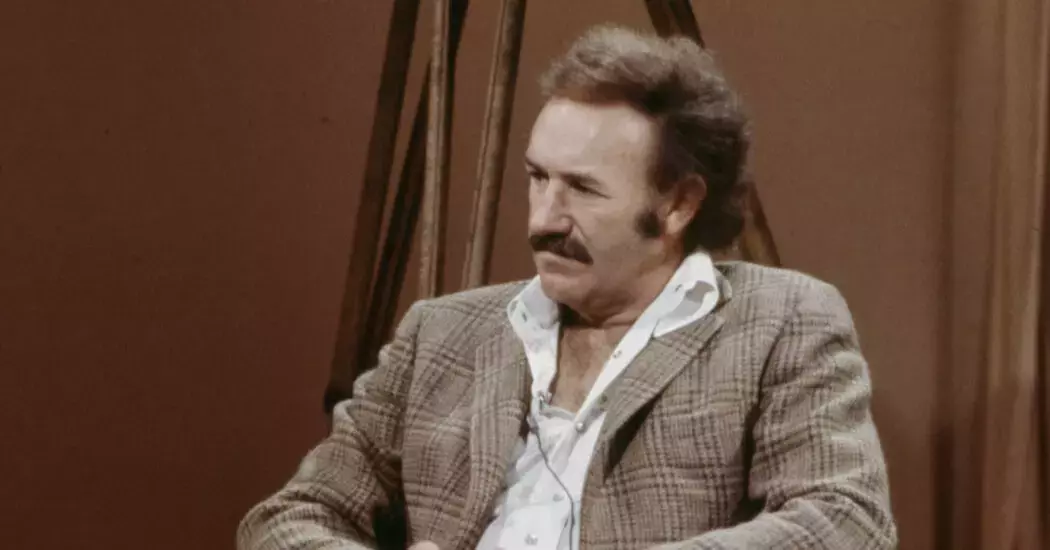
In the evolution of Hollywood's leading men, Gene Hackman carved out a distinct niche that defied traditional standards of attractiveness. Unlike the polished icons of earlier eras or the media-savvy stars of today, Hackman brought a rugged authenticity to his roles. Despite physical traits that might have been considered liabilities—such as a receding hairline and a less-than-athletic build—Hackman possessed an undeniable magnetism. His first significant role came alongside Jean Seberg in "Lillith" (1964), where Seberg praised the depth of character in Hackman's face, even if she doubted his long-term prospects in an industry favoring more conventionally attractive actors.
Hackman's rise coincided with a shift in cinematic tastes, moving from the sleek, idealized portrayals of mid-century films to the grittier, more complex characters of the 1970s. This era blurred the lines between heroes and antiheroes, creating a perfect stage for Hackman's unconventional charm. At the age of 40, he finally landed his first leading role in "I Never Sang for My Father." The following year, Hackman donned a porkpie hat to portray the ruthless cop Popeye Doyle in "The French Connection," earning him his first Oscar—a testament to his ability to bring depth and nuance to challenging roles.
Hackman's career exemplifies how true talent can transcend superficial standards. His success demonstrates that lasting appeal often comes from embracing one's unique qualities rather than conforming to conventional expectations. In a world that frequently prioritizes image over substance, Hackman's legacy reminds us of the enduring power of authenticity and the importance of recognizing different forms of beauty and charisma.
