The essence of Mexican soccer fandom in the United States transcends mere athletic appreciation; it is a vibrant tapestry woven with threads of heritage, kinship, and shared passion. For many, supporting a Mexican club like Chivas or Club Am←rica is a cherished familial legacy, passed down through generations. Yet, for others, it's a self-discovery, fueled by the electrifying energy of the game and a desire to connect with their roots. This widespread enthusiasm has fostered dynamic online communities, serving as vital hubs for fans to engage, discuss, and celebrate their beloved teams, bridging the geographical gaps and cultural nuances that define their unique experience. Despite the sport's immense popularity, evidenced by impressive viewership figures, the everyday fan often faces challenges in accessing their preferred matches, making these grassroots networks indispensable.
Mexican Soccer Fandom: A Chronicle of Community and Connection Across the U.S.
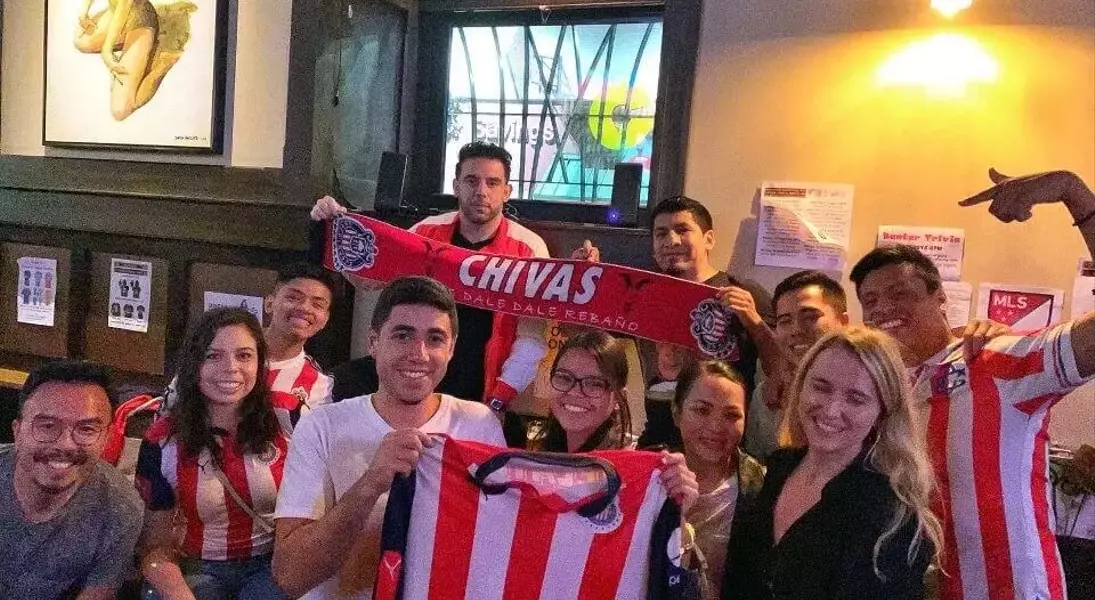
In the vibrant landscape of Mexican soccer fandom across the United States, personal stories illuminate the profound connections forged through the sport. Alvaro Vaquero, a dedicated supporter of the Guadalajara club Chivas, recounts how his allegiance was not an obligation but a natural inheritance, nurtured during cherished Sunday afternoons spent watching games with his father in New York. This familial ritual, though not mandatory, deeply influenced his passion. Today, Vaquero has become an influential voice, co-hosting the "Chivas del Norte" podcast, an English-language platform established in 2017 to unite the widespread Chivas faithful in the U.S. Through this podcast and an accompanying Discord community, he fosters a sense of collective identity, bringing together fans from coast to coast to share in the team's triumphs and tribulations. The podcast also explores Chivas' unique policy of fielding only Mexican players, a definition recently expanded to include Mexican-Americans, thereby enhancing the team's appeal and relatability to its U.S. fan base, exemplified by players like Cade Cowell.
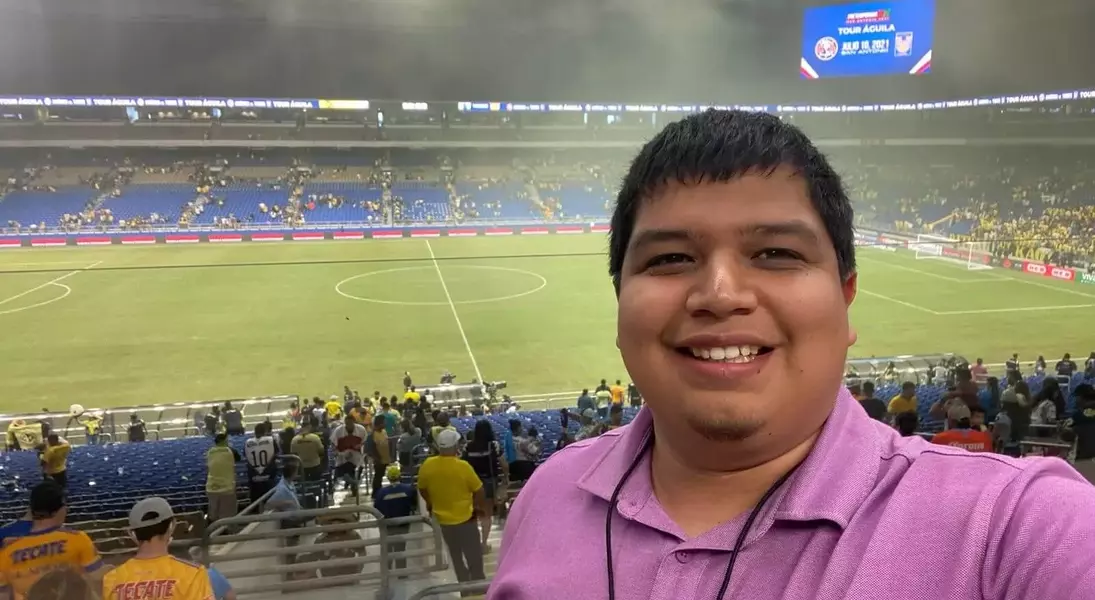
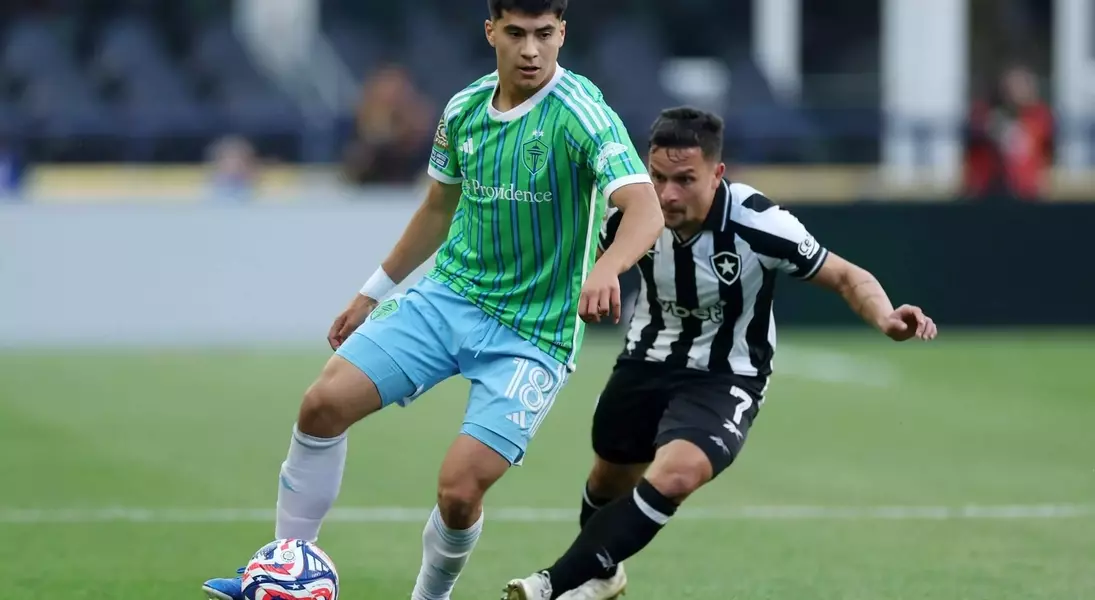
Meanwhile, in West Texas, Dylan Jimenez's journey into soccer fandom began independently, captivated by the 2010 World Cup and Club Am←rica's exhilarating 2013 Liga MX championship run. Unlike Vaquero, Jimenez initiated his family's engagement with Mexican soccer, with his father eventually embracing Santos Laguna. Jimenez's personal quest for English-language content led him to social media accounts and media outlets catering to Mexican-Americans who prefer consuming sports news in English. This need for connection spurred him and Ivan Pineda to launch the "Eagle Eye Podcast" in 2018, creating a similar community for Am←rica fans. Despite Liga MX's high TV ratings and the widespread popularity of Mexican club jerseys in the U.S., fans often feel a sense of isolation. Vaquero highlights the difficulty of finding establishments in cosmopolitan cities like New York willing to broadcast Mexican league matches over more mainstream American sports. This feeling of disconnect extends even to players. Seattle Sounders midfielder Obed Vargas, now a Mexico international, reflects on his upbringing in Alaska, where his father's love for Mexican league games, particularly Monarcas, deeply influenced him. This profound connection ultimately guided Vargas's decision to represent the Mexican national team, El Tri, underscoring the sport's deep cultural resonance.
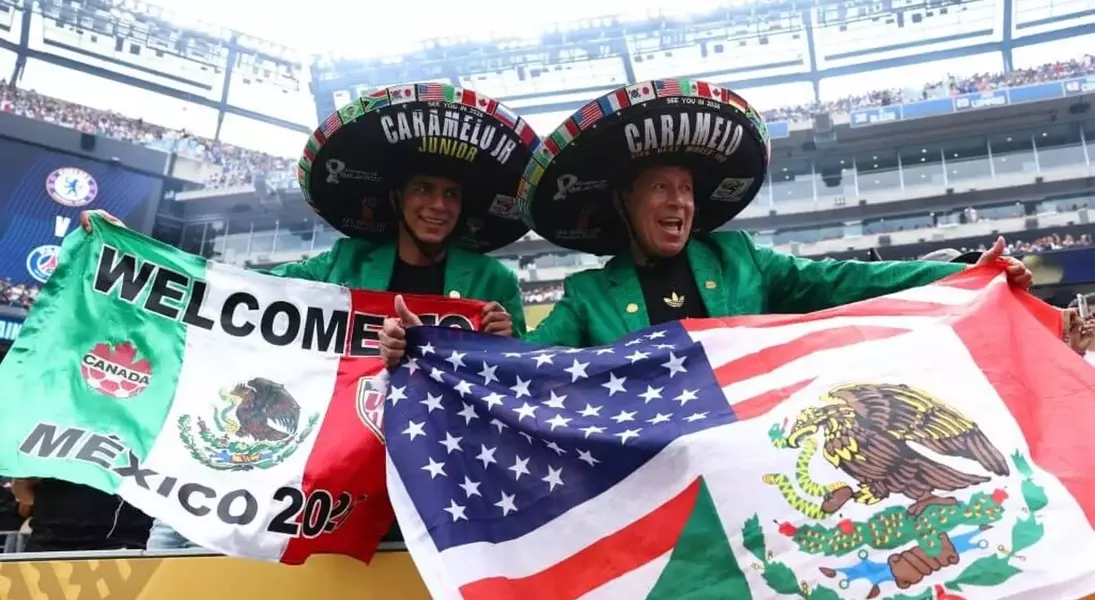
The dedication of Mexican soccer fans in the U.S. is undeniable, as evidenced by the consistently packed stadiums during El Tri's annual Mextour matches. Mexican manager Javier Aguirre frequently commends these fervent supporters, recognizing their immense commitment in traveling great distances and investing their resources to witness their national team play. He emphasizes that the players owe these fans unwavering effort and a compelling style of play. Dylan Jimenez, a TV reporter and anchor in Wichita Falls, Texas, proudly displays his Mexican national team jersey, engaging in friendly banter with U.S. supporters. His "Eagle Eye" community has empowered him to embrace his authentic fan identity, challenging preconceived notions of what a Mexican soccer fan embodies. As Mexican clubs increasingly seek to expand their reach and engage with a broader U.S. audience, they are recognizing the vast potential of the Mexican-American fan base. While fan-created content has historically filled the void for English-language coverage, the impending 2026 World Cup, co-hosted by Mexico, the U.S., and Canada, signals a potential shift. Jimenez remains optimistic, believing that despite Liga MX's imperfections, its inherent passion and growing visibility can attract even more spectators, further solidifying its status as a significant cultural and sporting phenomenon.
The enduring passion for Mexican soccer in the United States exemplifies the profound connection between sport and identity. It serves as a powerful reminder that while preferences may be voluntary, the emotional ties that bind individuals to their cultural heritage and shared experiences can lead to unexpected and deeply rewarding community discoveries. This phenomenon transcends the boundaries of a simple game, evolving into a vibrant expression of cultural pride, familial bonds, and collective belonging, creating a unique and dynamic space for fans across the U.S. to connect and celebrate.
