

This article chronicles a unique gathering in the Catskills, where Jewish and non-Jewish individuals converged to honor the profound role of food in fostering community and preserving heritage. Through shared meals and cultural exchanges, the event underscored the timeless appeal and unifying potential of Jewish culinary traditions.
Experience the Taste of Tradition: A Culinary Journey Through Jewish Heritage
The Essence of Jewish Flavors: More Than Just Ingredients
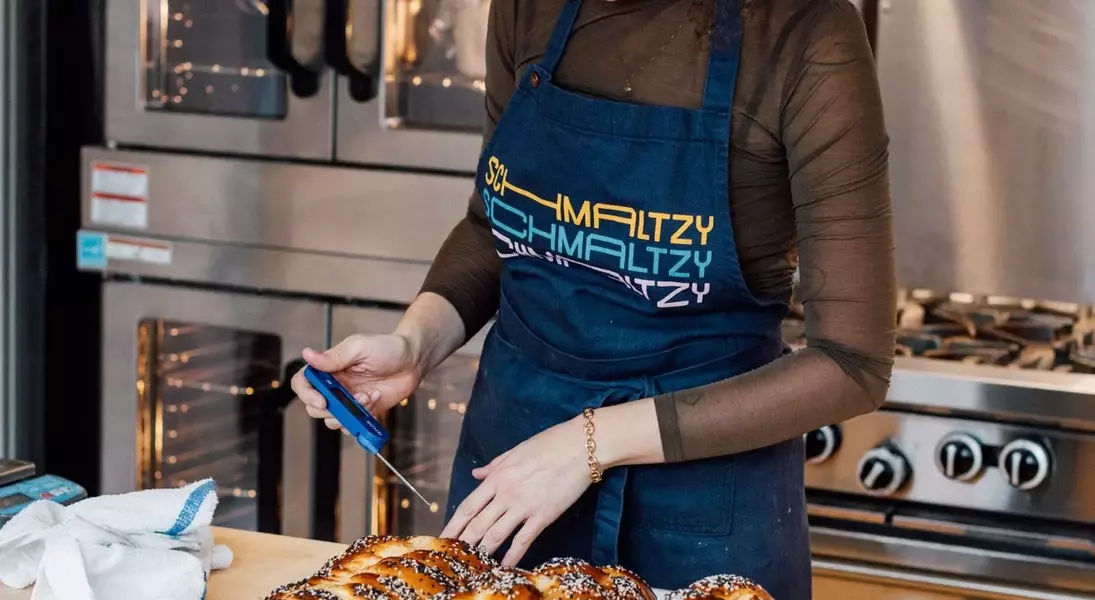
Naama Shefi, the visionary behind the Jewish Food Society, shared a profound insight into the core of Jewish cooking. As she savored a piece of challah, she mused that while no single ingredient defines Jewish cuisine, "time" stands as its most essential element. This reflection took place amidst a celebratory atmosphere at Scribner's Catskill Lodge, where a diverse group had gathered for the second annual Jewish Catskills Weekend. The event served as a testament to the remarkable ability of food to bridge divides and bring people together.
A Modern Shabbat Evening: Fellowship and Familiar Tunes
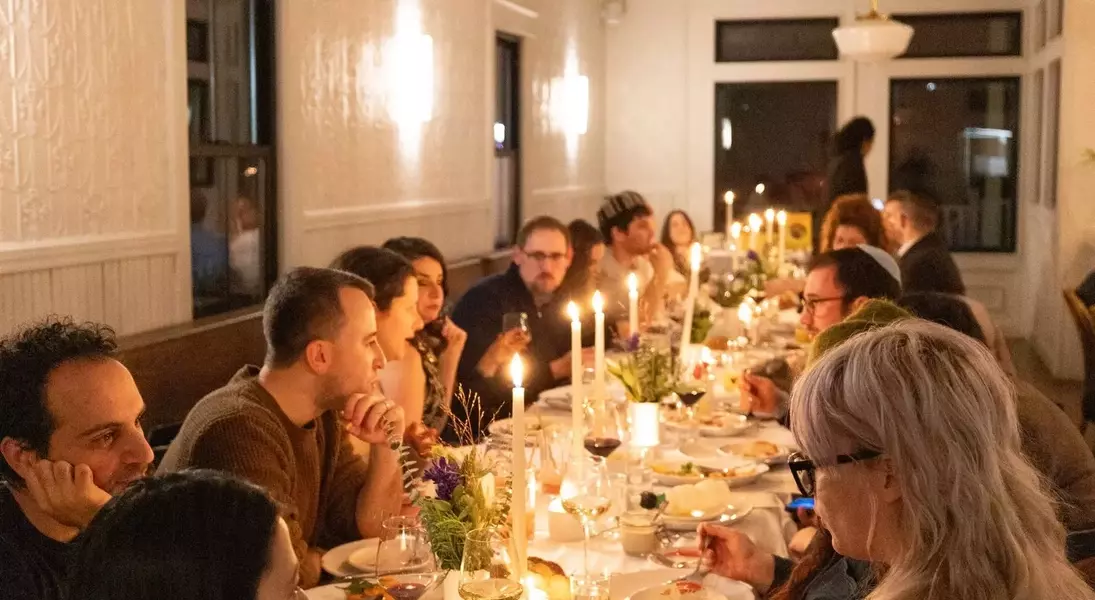
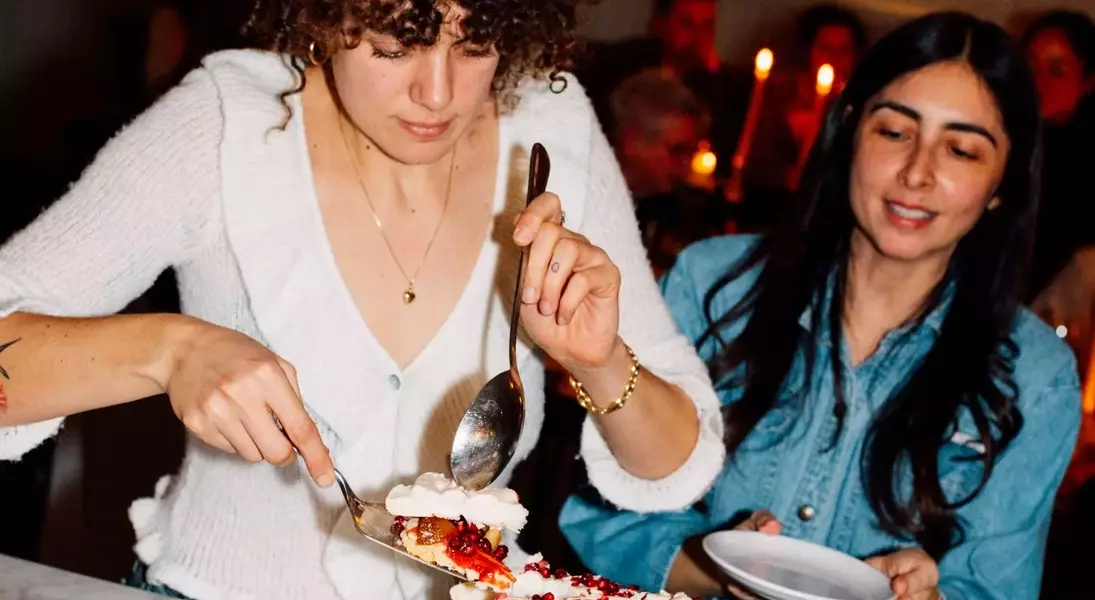
The weekend commenced with an unconventional yet heartfelt Shabbat dinner at Fellow Mountain Cafe, a venue renowned for its delectable cinnamon buns. The cafe's usual bistro seating was transformed into communal, family-style tables, bathed in the warm glow of candlelight and flowing with sweet wine. The author, accompanied by her younger sister, reflected on their family's cherished tradition of Friday night Shabbat dinners, which often meant missing out on childhood social events. Yet, the evening in the Catskills reaffirmed the comforting universality of Shabbat, as unfamiliar faces quickly became friends, united in gratitude for the meal and in singing familiar blessings.
The Chef's Dedication: A Culinary Homage to Shabbat
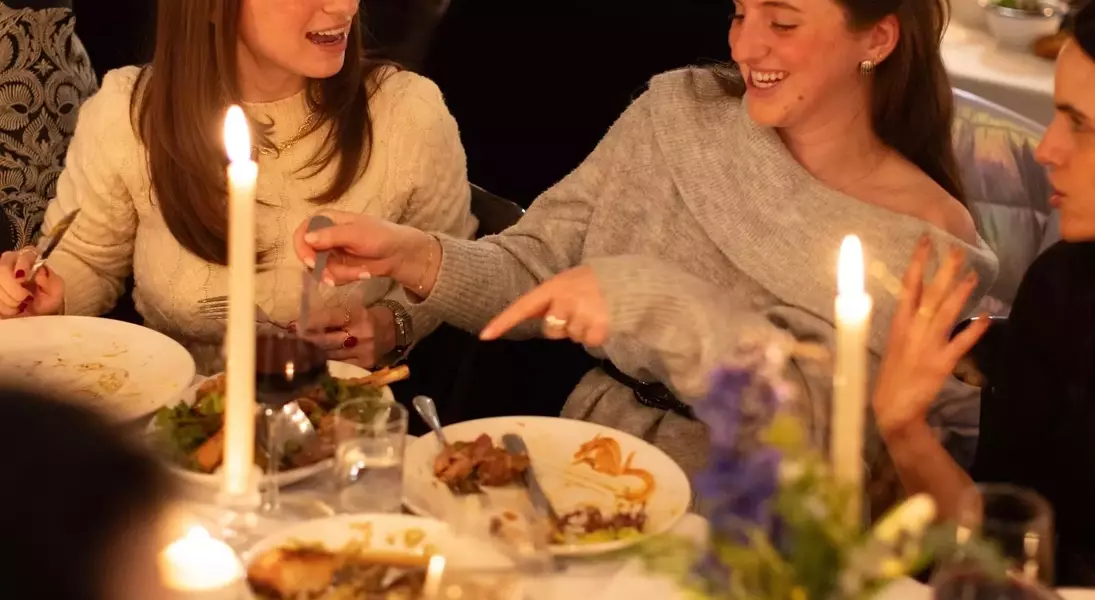
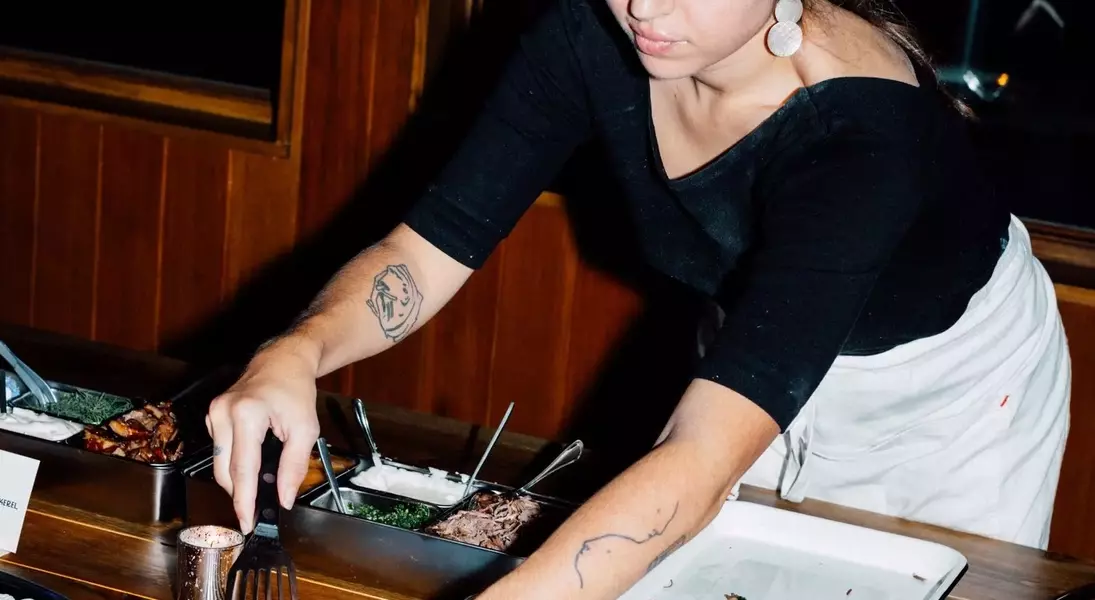
The evening's meal was masterfully prepared by Camille Becerra, a Puerto Rican chef who, despite not being Jewish, deeply appreciates the spirit of Shabbat. Becerra expressed her gratitude for the opportunity to contribute to such a meaningful gathering, emphasizing the special intention behind communal sharing. Her culinary creations, inspired by the Jewish Food Society's cookbook, The Jewish Holiday Table, delighted guests with dishes like tangy tomato matbucha, creamy tahini, and exquisitely tart pickles. The carrot and cumin salad, alongside braised lamb with olives and harissa, were particular crowd-pleasers. Around the tables, attendees exchanged family recipes, highlighting the unbroken chain of tradition passed down "l'dor vador"—from generation to generation.
Breaking Barriers: A Story of Empowerment at Hunter Synagogue
During the dinner, Carol Slutzky-Tenerowicz, a long-time resident of Hunter, recounted her thirty-year journey as president of the Hunter Synagogue's board. Over crispy spinach rissole fritters, she shared her mission to empower Jewish women within the community. Slutzky-Tenerowicz humorously recalled her early experiences, where women were relegated to the synagogue's balcony, only leaving when the men sang "Adon Olam." Her determination to foster inclusivity was ignited by her own daughter's bat mitzvah lessons, leading her to challenge and ultimately change discriminatory bylaws that restricted board membership to Jewish men. She playfully noted that these changes were overdue, given her five-year tenure as president.
Morning Delights: Embracing the Hamin Brunch Tradition
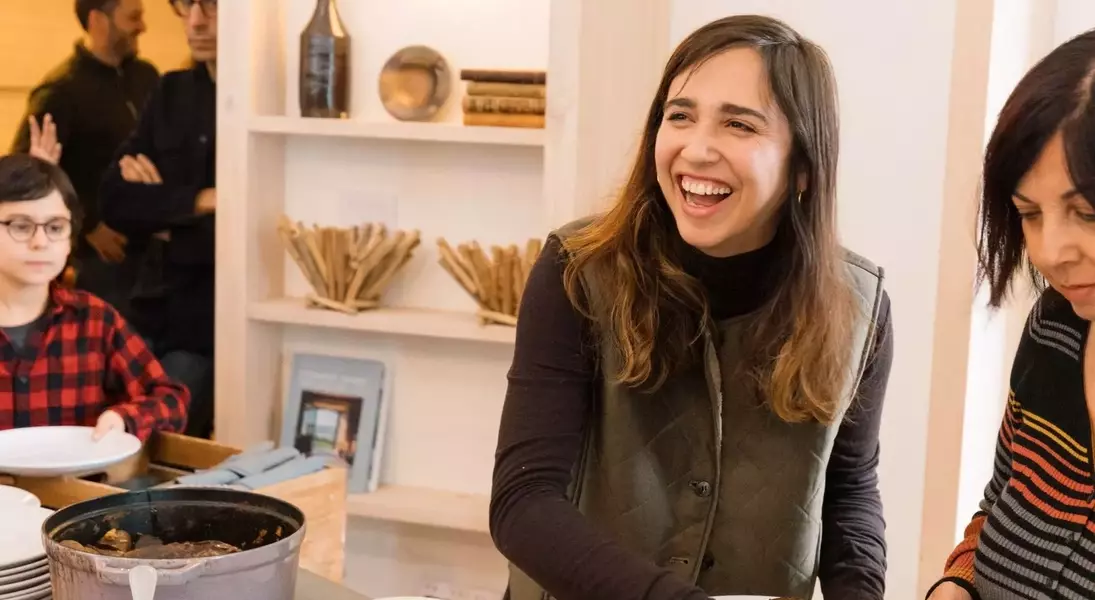
Upon returning to their room that night, guests found welcome gifts, including hats adorned with Yiddish phrases like "shmoozing" (chatting) and "noshing" (snacking), hinting at the next day's culinary adventure. True to prediction, the following morning's hamin brunch was a lively affair of both conversation and feasting. While Shabbat dinners were a staple in the author's upbringing, hamin brunch was a novel experience. Hamin, a traditional Jewish stew served on Saturday, showcases diverse variations across Jewish communities—from Iraq's t'beet to Morocco's dafina and Poland's cholent. Regardless of its regional interpretation, hamin's core ingredient, as emphasized by Shefi, remains "time."
The Art of Hamin: A Timeless Culinary Ingenuity
The ingenuity of hamin lies in its adherence to the Sabbath's prohibitions against work, including lighting fires. Historically, communities in Eastern Europe and Tunisia would bring their hamin pots to communal kitchens, allowing the stew to slow-cook for twelve hours on existing fires. This method produced a rich, savory, and deeply flavorful stew by morning, requiring no "work" on the Sabbath itself. This tradition beautifully illustrates how Jewish communities adapted to religious strictures while still enjoying hearty, communal meals.
A Feast for the Senses: Modern Interpretations of Ancient Recipes
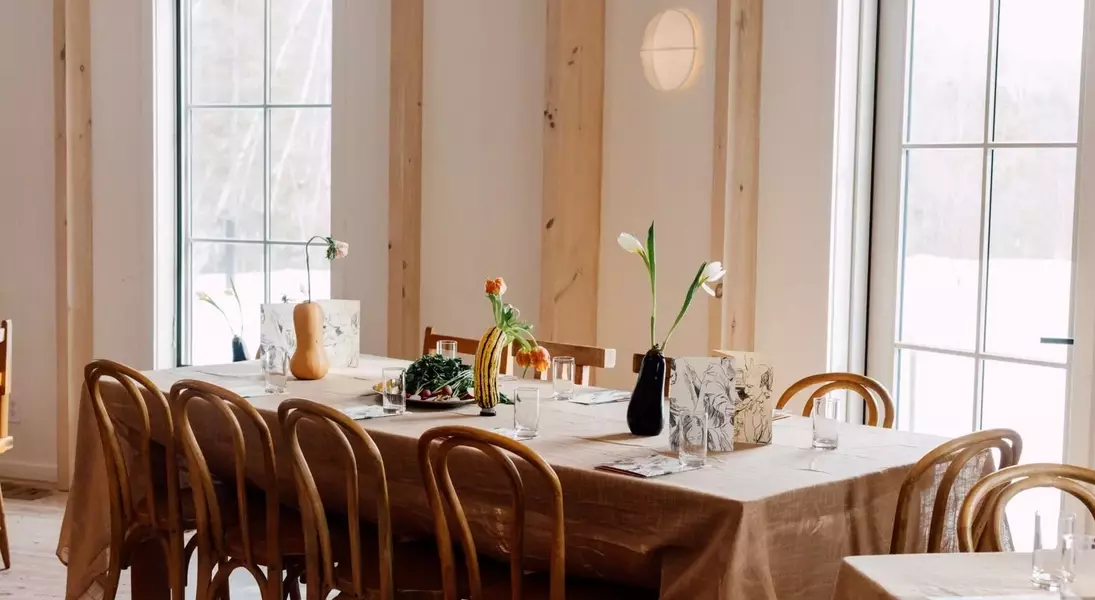
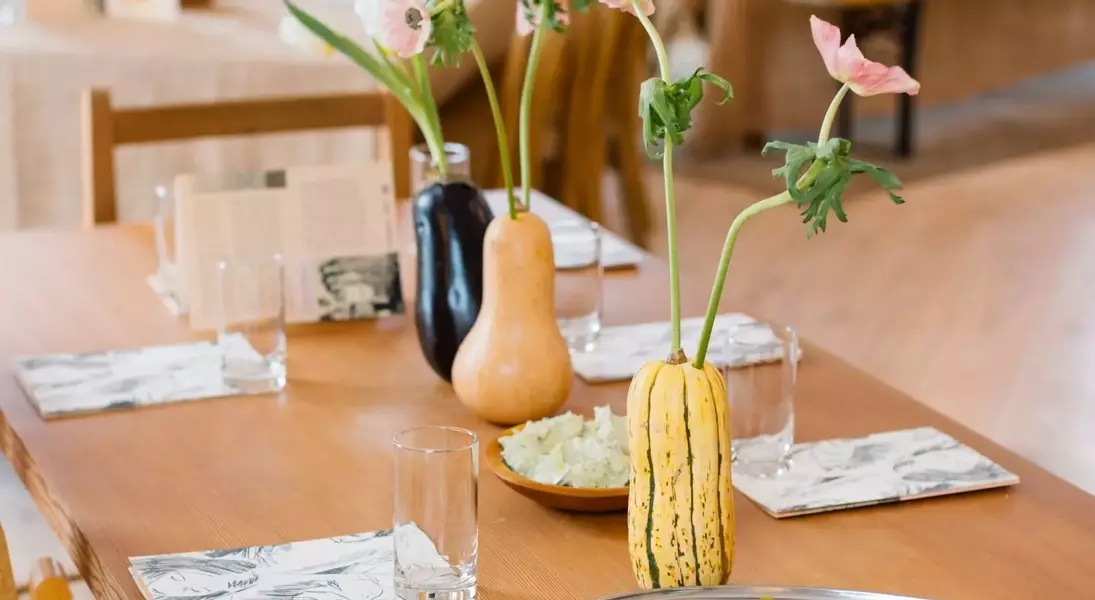
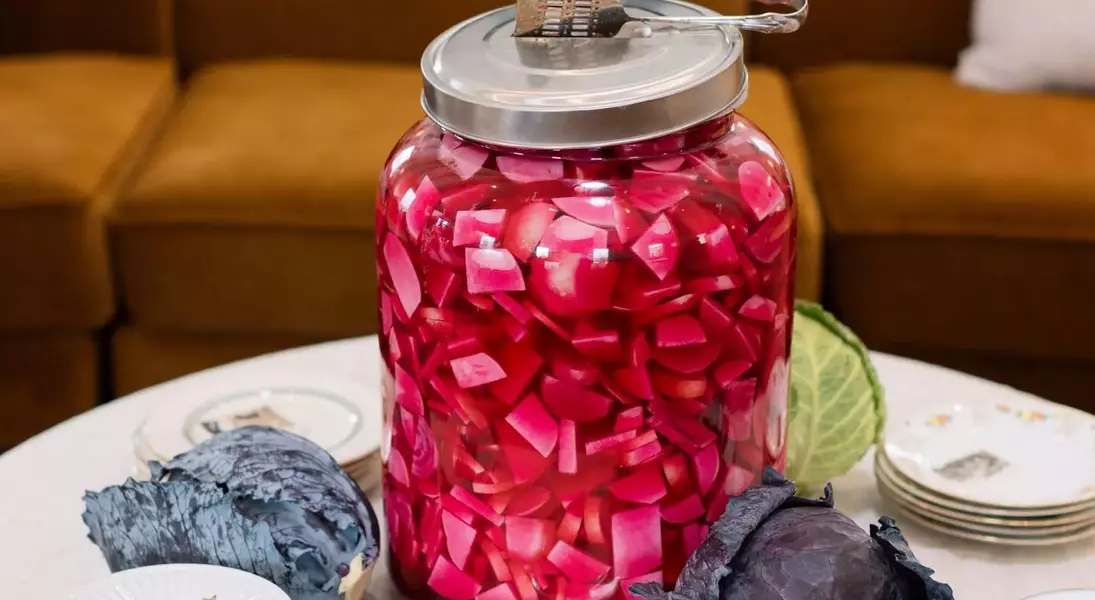
Artist and chef Maya Yadid, along with her mother Irit, presented a five-generation-old hamin recipe, its earthy aromas filling the air from bubbling hot pots. The presentation, however, was distinctly contemporary, with whimsical floral arrangements crafted from squash and eggplants adorning the tablescape. A vibrant hot-pink jug filled with pickled radishes served as both a visual centerpiece and a delightful edible offering, showcasing a creative blend of tradition and modern artistry.
Spiritual Reflections and Acts of Empathy
The weekend's spiritual dimension deepened with a learning session led by philosophy teacher Chaya Gilboa. She explored four Jewish theology passages centered on food, notably one discussing the ethics of celebrating with food even in times of tragedy. This passage resonated profoundly in light of a recent attack on Jews celebrating Hanukkah in Australia. A participant offered a poignant solution: to continue holiday traditions but leave a small bite of food untouched on the plate as a symbol of empathy—a culinary gesture akin to flying a flag at half-mast, honoring both joy and sorrow.
Concluding Celebrations: Latkes, Martinis, and Sweet Departures
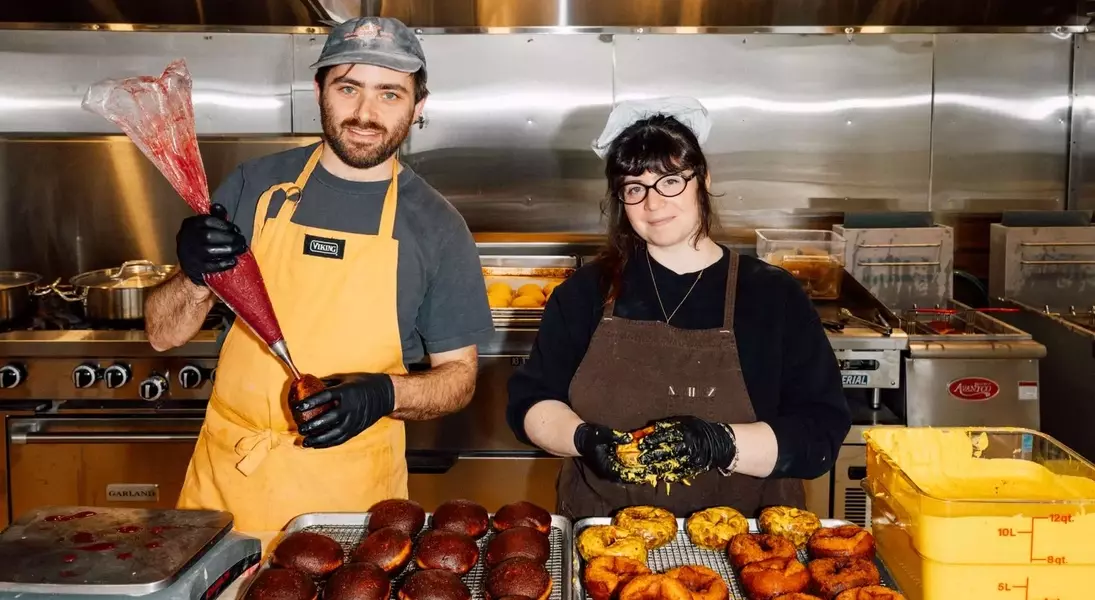
The weekend culminated in a lively Latkes and Martinis soiree. Chef Vilda Gonzalez presented innovative variations of the classic potato pancake, including smoked mackerel and creme fraiche, quince butter and stracchino cheese, and a crowd-favorite braised short rib latke. Guests raised their anchovy dirty martinis in a toast to Jewish joy, celebrating shared experiences and vibrant traditions. The festivities concluded with a queue for artisanal donuts from Elbow Bread Bakery and Sparrowbush in the cozy Scribner's lobby, featuring golden cornbread and jelly donuts reminiscent of "sufganiyot," bursting with flavor and warmth.
The Enduring Legacy of Food: Connection Across Generations
As the author bid farewell to her newfound, multi-generational friends, she was once again struck by food's innate power to connect individuals not only to each other but also to their deeper selves. Conversations revolved around the merits of various family recipes, from the best matzo balls to cherished gefilte fish preparations, underscoring how traditions are lovingly preserved through taste and time. This culinary journey served as a powerful reminder of heritage, community, and the shared human experience.
Honoring History: Reinvention and Inclusivity
Shefi eloquently summarized the weekend's ethos: "It's all about knowing where we came from in order to reinvent and to move forward." She emphasized that understanding one's context and history is crucial for existence, highlighting the powerful stories and resilience embedded in Jewish culture. The call to honor these traditions with pride, personalize them, and extend an open invitation to all, resonated deeply. Returning to the city, the author and her sister lit the menorah, shared a Hanukkah takeout meal, and quietly left a symbolic bite untouched on their plates, embodying the weekend's profound lessons of empathy and continuity.
