
Initially charmed by the seemingly innocent facade of Chibi-Robo, a game portraying a tiny, helpful robot, the author embarked on a playthrough expecting lighthearted fun. However, the experience quickly unveiled a poignant narrative far exceeding initial expectations, revealing a deeply emotional and unexpectedly mature exploration of family conflict and financial hardship. The game, through the eyes of the titular robot, meticulously crafts a story where simple chores intertwine with profound human struggles, forcing players to confront the subtle intricacies of a family on the brink. This journey transforms from a mere game into a reflective commentary on domestic strife, debt, and the profound impact these issues have on every family member, especially the children.
As the narrative progresses, Chibi-Robo's seemingly mundane tasks evolve into meaningful acts within a household struggling with debt and marital discord. The robot's endeavors to clean and organize the home inadvertently expose the deep-seated issues plaguing the Sandersons. The game cleverly uses interactions with eccentric toys and observation of family dynamics to paint a vivid picture of a family in crisis, where an innocent birthday gift becomes a catalyst for revealing underlying tensions. The author’s personal connection to these themes, stemming from childhood experiences with family separation and financial difficulties, amplifies the game's emotional resonance, turning a nostalgic gaming session into a powerful, introspective journey that transcends the boundaries of typical video game narratives.
Unveiling the Hidden Turmoil: Chibi-Robo's Deep Narrative
Upon finally engaging with Chibi-Robo, a game previously admired for its adorable protagonist, the author discovered a surprisingly profound and emotionally charged experience. What seemed like a simple, charming robot's quest to assist a household quickly transformed into a complex narrative about a family grappling with significant financial difficulties and marital strife. The game cleverly uses the tiny robot's perspective to highlight the everyday struggles and emotional burdens carried by the Sanderson family. Cleaning floors and collecting trash, while earning 'Happy Points,' paradoxically illuminate the family's deep-seated unhappiness and escalating tensions. This unexpected depth challenges the player's initial perceptions, revealing a story that is far more impactful and thought-provoking than its cute exterior suggests.
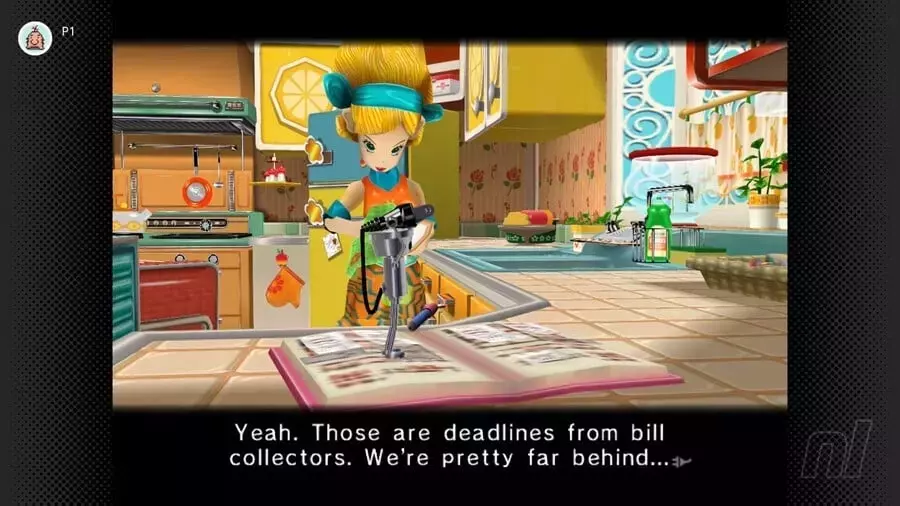
The central premise of Chibi-Robo revolves around the tiny robot’s mission to make the Sanderson family happy, yet this goal is continuously undermined by the unfolding family drama. The father's extravagant spending habits, particularly on toys, are revealed as the root cause of the family's spiraling debt, which the mother vehemently resents. The game illustrates this through subtle environmental clues and dialogue, such as overdue bills and heated arguments. Chibi-Robo's interactions with other sentient toys in the house further enrich this narrative, each character having their own stories of abandonment or financial strain, reflecting the broader issues of the household. These elements collectively paint a picture of a family deeply affected by economic hardship and emotional distance, where the child, Jenny, suffers silently amidst her parents' conflicts. The robot's seemingly trivial tasks become symbolic acts of attempted healing in a fractured home, making the player profoundly invested in the family's well-being.
The Healing Touch: Chibi-Robo's Role in Family Reconciliation
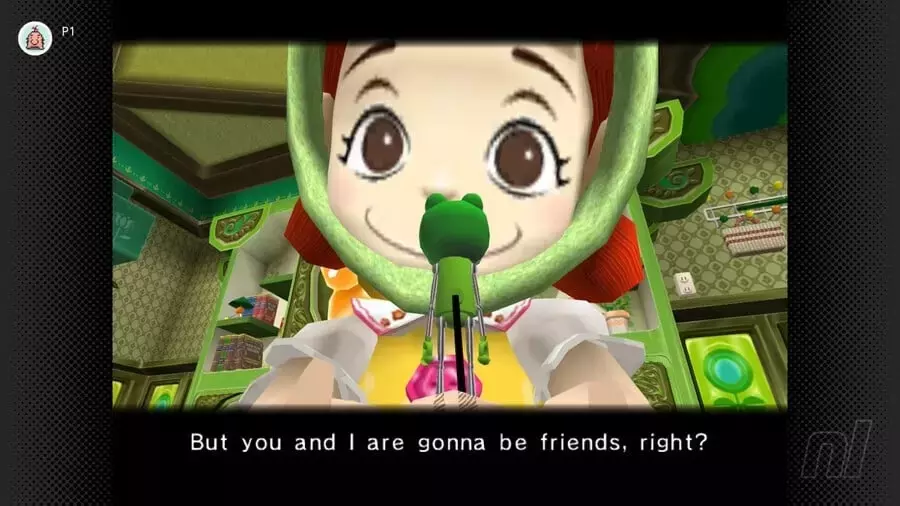
Chibi-Robo's journey through the Sanderson household extends beyond mere mechanical assistance; it becomes a poignant exploration of empathy and the subtle art of mending broken relationships. The author's primary focus shifts to Jenny, the young daughter, who uses a frog persona as a coping mechanism for her parents' constant feuding. Through Chibi-Robo's dedicated efforts to connect with Jenny, offering comfort and understanding, the game underscores the profound impact of parental conflict on a child's emotional state. This dynamic highlights the robot's role not just as a cleaner, but as an unlikely emotional anchor, striving to bring a semblance of peace and happiness to a home overshadowed by tension and unresolved issues.
Despite the pervasive family dysfunction, the game culminates in a miraculous resolution, albeit one that feels almost dreamlike in its suddenness. After a dramatic confrontation with a giant mechanical spider, a metaphor for the family's overwhelming problems, Giga-Robo is restored with infinite power by aliens, solving the Sandersons' financial woes related to electricity consumption. This fantastical twist, while providing a happy ending, prompts the author to reflect on the real-world implications of the game's themes. The experience reinforces the powerful message that even without supernatural intervention, simply being present and offering support to those in distress can be a profound act of healing. Chibi-Robo's unwavering commitment to helping, despite the overwhelming odds, serves as a powerful metaphor for the importance of empathy and consistent support in overcoming personal and familial challenges, echoing the sentiment that small acts of kindness can lead to significant positive change.
