Discover the hidden world of truffle hunting in Oregon, where dogs and skilled foragers replace pigs as the preferred method to find these elusive fungi. Explore the lucrative yet mysterious trade that has captivated chefs and food enthusiasts alike.
Revealing the Enigma Behind Oregon’s Truffle Gold Rush
The Myth of Pigs in Truffle Hunting
In the cinematic portrayal of "Pig," Nicolas Cage's character relies on a hog to locate the coveted fungi. However, reality paints a different picture. In Oregon, truffle hunters have long abandoned pigs due to their destructive nature. Pigs are notorious for devouring truffles indiscriminately and tearing up the forest floor, much like cloven-hoofed bulldozers. This behavior is so problematic that Italy banned pigs from truffle hunts in the 1980s. Instead, truffle enthusiasts in Oregon have turned to more reliable and less destructive methods.The shift from pigs to dogs has been pivotal. Deb Walker, a professional dog trainer, leads workshops where she teaches humans and canines the art of truffle hunting. On a farm outside Eugene, Walker instructs about two dozen eager participants on how to harness the olfactory prowess of dogs. Over the past two decades, around 2,000 dogs in the Pacific Northwest have graduated from similar courses, transforming the landscape of truffle hunting. Dogs not only preserve the environment but also offer a discreet approach. Unlike pigs, they don’t announce a hunter’s presence, making them the preferred choice for this clandestine activity.The Rise of Canine Companions in Truffle Hunts
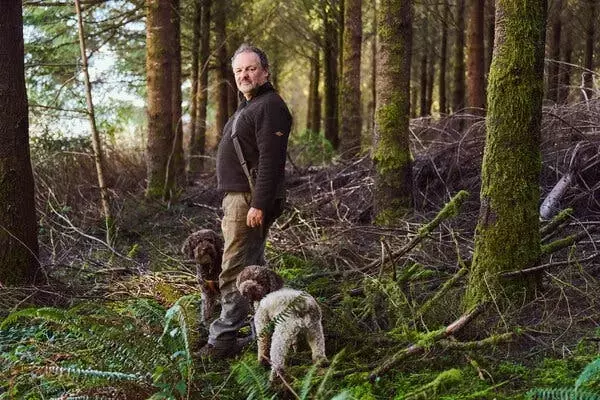
Dogs have become indispensable partners in the hunt for Oregon's wild truffles. Charles Lefevre, an experienced truffle hunter, often ventures into groves of Douglas fir with his trusted companions, Dante and Luca. The trio has found success time and again, unearthing truffles worth thousands of dollars. Each outing is a testament to the symbiotic relationship between man and dog in this niche pursuit.Truffle hunting with dogs isn't just a hobby; it's a serious endeavor for many. Some have even turned it into a profitable side hustle during the high season, which runs from October to May. The skill and knowledge required to identify prime truffle spots make this activity both challenging and rewarding. Beyond the financial incentives, there's an undeniable thrill in discovering these elusive treasures nestled beneath the loamy soil. The bond formed between handler and dog deepens with each successful hunt, creating a unique and fulfilling experience.The Lucrative World of Truffle Trade
Once harvested, truffles enter a bustling market driven by demand from gourmet chefs and food enthusiasts. Wild-mushroom brokers set up trading posts in the woods, reminiscent of mining camps during the gold rush. These posts serve as hubs where truffles change hands at premium prices. Chefs in cities like Portland and Seattle eagerly await visits from truffle hunters, who arrive with baskets, buckets, and leather satchels filled with small white truffles and large, knobby black ones. Prices can soar as high as $800 per pound, reflecting the rarity and desirability of these fungi.Oregon truffles have found their way into various culinary creations, including oils, cheeses, chocolates, beers, and vodkas. This versatility has further fueled interest in the truffle trade. The allure of truffles lies not only in their distinctive flavor but also in the mystique surrounding their cultivation and harvest. As the industry continues to grow, so does the fascination with these underground delicacies. The journey from forest floor to dinner plate is a testament to the dedication and expertise of those involved in this unique agricultural pursuit.Beyond Dogs: Alternative Methods of Truffle Harvesting
While dogs dominate the truffle hunting scene, some harvesters prefer traditional methods. Long-fingered rakes are used to comb through the loamy soil under Douglas firs. This technique requires patience and precision, as truffles are often hidden just below the surface. The tactile nature of rake harvesting offers a different kind of satisfaction, one that connects the harvester directly with the earth.For those who choose this path, the rewards can be equally gratifying. The process allows for a deeper understanding of the ecosystem and the subtle cues that indicate the presence of truffles. Whether using dogs or rakes, the goal remains the same: to uncover these precious fungi and bring them to market. The diversity of methods reflects the adaptability and ingenuity of truffle hunters, ensuring that this ancient practice continues to thrive in modern times.