Understanding the subtle shifts in your body can be a powerful tool for reproductive health. This guide explores how to perform self-cervical checks to track key physiological changes related to ovulation, early pregnancy, and the onset of labor. By carefully observing variations in cervical position, texture, and the characteristics of cervical mucus, individuals can gain deeper insights into their reproductive cycles. While these self-examinations offer valuable personal data, they are intended to complement, not replace, regular professional medical care and examinations.
Detailed Insights into Cervical Self-Examination
For those seeking to monitor their reproductive health, checking the cervix at home offers a unique insight into bodily changes. This practice can help identify a person's fertile window, detect potential early signs of pregnancy, or observe the progression of labor.
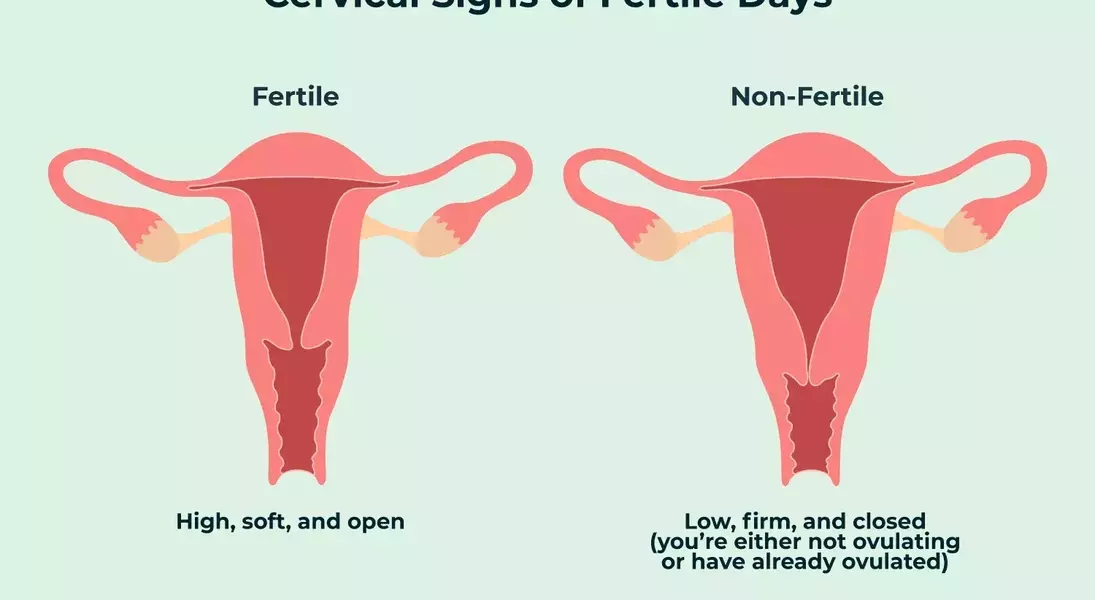
The cervix, a remarkable cylindrical tissue about 3 to 5 centimeters long, acts as a gateway between the vagina and the uterus. Its texture can range from the firmness of a nose tip to the softness of lips, and its position and openness vary significantly throughout the menstrual cycle and pregnancy. For example, during the most fertile phase leading up to ovulation, the cervix tends to be higher, softer, and more open, facilitating the passage of sperm. Concurrently, cervical mucus becomes more fluid and elastic, akin to raw egg whites, creating an optimal environment for conception.
If you're considering conducting a self-check, preparation is crucial. Begin by thoroughly washing your hands to prevent any potential infection. Choose a comfortable position that allows easy access to your cervix, such as squatting or resting one leg on a raised surface. Gently insert your index or middle finger into the vagina, moving it upwards until you feel a firm, round, dimple-like structure – this is your cervix. Note its height, texture (soft or firm), and the openness of the external os (the central indentation). Regularly documenting these findings on a fertility chart can help you recognize patterns and understand your body's rhythm.
For a more detailed visual examination, a speculum, flashlight, and mirror can be used. After ensuring the speculum is clean and lubricated, carefully insert it and gently open to visualize the cervix. Remember, patience and gentleness are key throughout this process.
During pregnancy, particularly as the due date approaches, the cervix undergoes significant changes, including shortening, thinning, and dilating. While it's possible to feel these changes, it's important to exercise caution to avoid introducing bacteria, especially if your water has broken. It's also worth noting that cervical dilation can occur weeks before labor truly begins, so a few centimeters of dilation doesn't necessarily mean immediate labor. Always consult with a healthcare professional for definitive assessments and guidance.
What Changes to Observe
- Tissue Softness: Estrogen causes the cervical tissue to soften during the fertile window, making it less firm.
- Cervical Opening: The external os widens during ovulation to allow sperm passage and also slightly before and during menstruation.
- Cervical Position: As ovulation nears, the cervix moves higher into the body. After ovulation or menstruation, it returns to a lower position.
- Cervical Mucus: Fertile mucus is clear, stretchy, and slippery, providing nourishment and an optimal environment for sperm. Non-fertile mucus is thicker and stickier.
Empowering Personal Health Management through Awareness
Engaging in self-cervical checks represents a proactive approach to understanding one's own body and reproductive cycles. This practice empowers individuals with knowledge, fostering a deeper connection and awareness of their unique physiological processes. By regularly observing and documenting changes in cervical signs and mucus, individuals can become more attuned to their fertile window, early pregnancy indicators, or labor progression. This self-monitoring can be particularly beneficial for family planning, offering a sense of control and informed decision-making. However, it is crucial to remember that while self-checks provide valuable personal data, they are not a substitute for professional medical advice or clinical examinations. Healthcare providers offer expert diagnosis and guidance, especially concerning complex reproductive health matters or during critical stages like pregnancy. Therefore, integrating self-awareness with regular medical consultations ensures a comprehensive and safe approach to reproductive health management.
