Babies, in their adorable unpredictability, often display a range of behaviors that can leave parents scratching their heads. These seemingly strange actions are, in fact, integral parts of healthy development, reflecting an immature nervous system and an insatiable curiosity about their bodies and surroundings. Gaining insight into these peculiar habits can significantly boost parental confidence and alleviate unnecessary worries.
Delving into Infant's Unique Expressions
Infants embark on a fascinating journey of discovery, characterized by several distinctive behaviors. One prominent example is the Moro reflex, often observed when a baby is startled or perceives a fall. Their arms will instinctively extend outwards, a primal defense mechanism that some experts believe evolved to help them cling on if a caregiver were to lose grip. While momentarily alarming for parents, this reflex signifies proper nervous system development and typically diminishes by around three months of age, as noted by De Ann Davies, former child development programs director at Phoenix Children's Hospital, and Peter Vishton, associate professor of psychological sciences at the College of William & Mary.
Another common sight is infant trembling or shivering. This neurological "blip" is due to their developing nervous system's initial struggle to regulate movements, leading to slight jerkiness, particularly during crying or sleep. Moreover, babies' higher skin surface area to weight ratio makes them prone to losing body heat faster than adults. Trembling serves as a natural mechanism to generate warmth through rapid muscle contractions and relaxations. Parents should ensure their baby is dressed appropriately, adding an extra layer compared to their own attire. Persistent trembling warrants a consultation with a doctor, as some research links it to vitamin D deficiency.
Around six months, many babies begin to engage in theatrical fake coughing. Far from being a sign of illness, this is a playful bid for attention, indicating growing social awareness. Dr. Vishton suggests engaging with this behavior through smiles or even reciprocal fake coughs, as it's a harmless and amusing form of interaction that fosters social connection. Additionally, it's typical for babies between five to seven months to explore their genitals. This is purely driven by curiosity, similar to how they explore other body parts, and it's essential for parents to respond with a body-neutral approach, avoiding any reactions that might instill shame. Providing alternative objects for play during diaper changes can redirect their focus, reinforcing that self-touch is a normal part of learning about their body, as advised by Davies and Dr. Vishton.
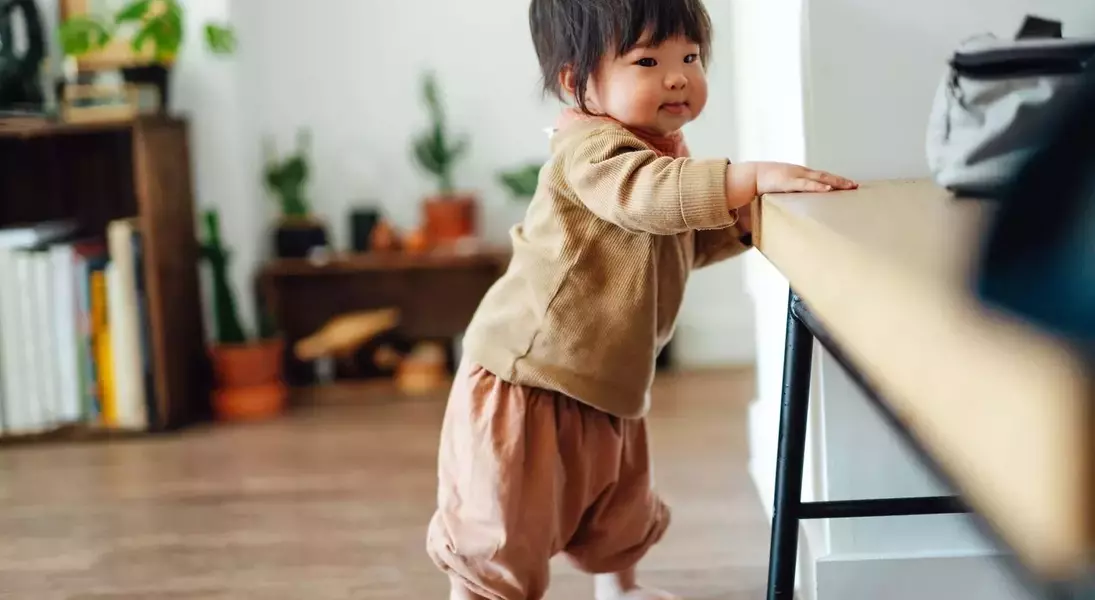
As infants approach ten months, they reach a significant motor milestone: pulling themselves up to stand. However, the newfound ability to stand often comes with the challenge of learning how to sit back down. Parents might find themselves awakened by a crying baby "stranded" upright in their crib. While offering assistance is fine, it's crucial to let them practice this skill themselves. With cushioned bottoms and diapers providing protection, the risk of serious injury is minimal. Encouraging practice on a safe surface with a pillow nearby can help them master sitting down independently.
Lastly, parents might observe their baby seemingly "forgetting" newly acquired skills, like shaking a rattle or rolling over. This temporary lapse is normal, akin to adults momentarily forgetting learned tasks. It signifies that these skills are still being integrated and refined into their cognitive and motor repertoire. Fundamental skills will eventually become second nature, though children with developmental delays may require additional support. Sometimes, a change in environment or engagement with new challenges can also cause a temporary shift in their demonstrated abilities, suggesting healthy progress in other areas of development.
