Yield to Worst (YTW) provides investors with a realistic assessment of the minimum potential return on a bond, particularly those that can be repaid prior to their scheduled maturity. This conservative measure helps in evaluating the investment's risk-reward profile, as it accounts for scenarios where the issuer exercises their right to redeem the bond early. Understanding YTW is essential for making informed decisions, preventing an overestimation of returns, and ensuring investment objectives are met even under less favorable conditions.
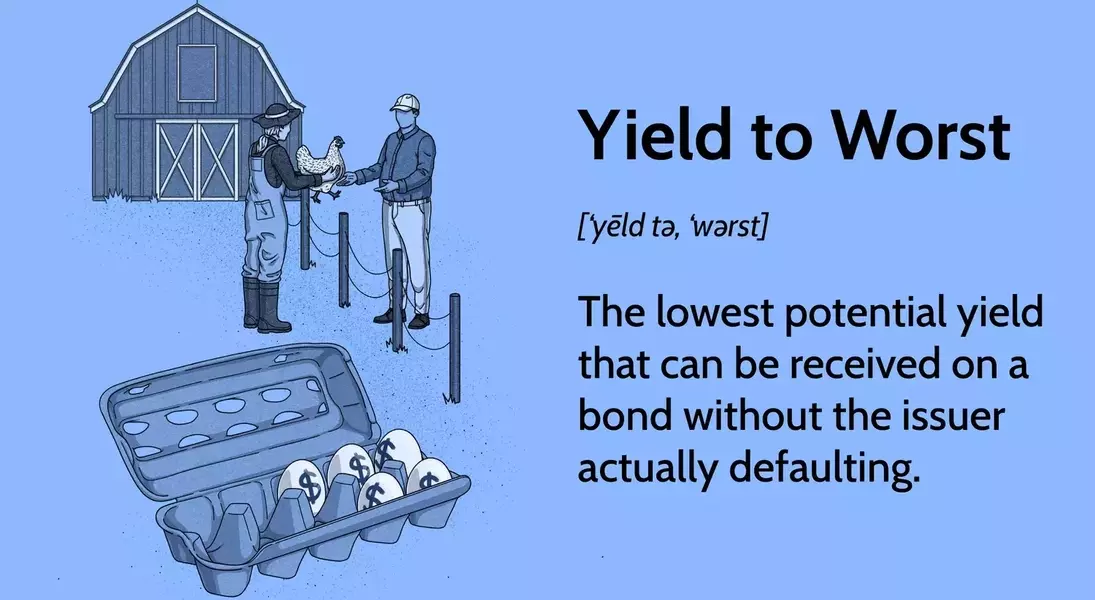
The term 'Yield to Worst' signifies the lowest possible annualized return a bondholder might realize if the bond is repurchased or retired by the issuer before its full term, adhering strictly to the bond's contractual terms. This calculation offers a more cautious outlook on potential earnings compared to the bond's stated yield to maturity (YTM). It primarily applies to bonds featuring a 'call provision,' which grants the issuer the option to redeem the bond at a predetermined price on specific dates before maturity. Such provisions are typically exercised when prevailing interest rates decline, allowing the issuer to refinance at a lower cost.
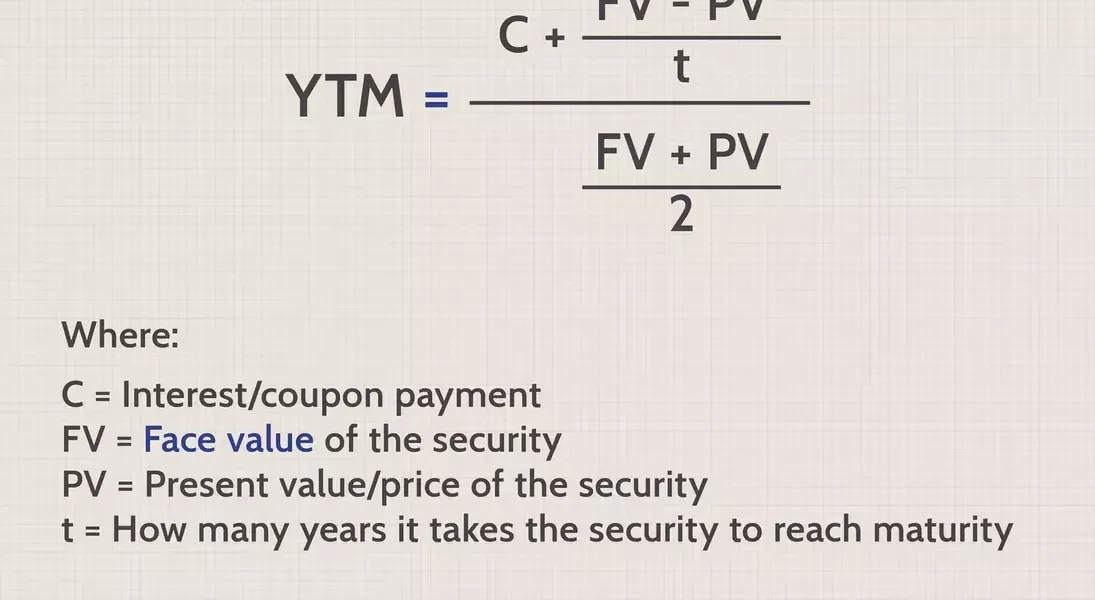
When assessing a callable bond, both the yield to call (YTC) and yield to maturity (YTM) must be calculated to determine the YTW. The YTW will always be the lower of these two figures, as an early redemption usually results in a reduced overall return for the investor. This is because the investor loses out on future coupon payments that would have been earned had the bond been held until full maturity. The YTW is not concerned with issuer default, but rather with the contractual provisions that permit early redemption, offering a clear measure of the minimum yield if the bond performs as stipulated but is terminated early. For instance, the calculation of YTC involves dividing the coupon interest payment plus the difference between the call price and market value (adjusted by the number of years until the call) by the average of the call price and market value.
For bonds without a call provision, the yield to maturity is the most relevant metric, as there is no possibility of early redemption by the issuer. However, for callable bonds, YTW acts as a critical risk management tool. It enables investors to gauge the lowest yield they could receive, thus avoiding disappointment if the bond is called. Furthermore, investors often analyze the spread-to-worst (STW), which measures the difference between a bond's YTW and the yield of a comparable U.S. Treasury security, to better understand its relative value and risk in the market. By incorporating YTW into their analysis, investors can make more prudent choices, ensuring that their bond portfolios are robust against potential early redemption scenarios and align with their financial goals.
In the realm of fixed-income investments, the Yield to Worst stands as a cornerstone for diligent investors, offering an indispensable lens through which to evaluate callable bonds. This metric empowers individuals to anticipate the least favorable, yet contractually permissible, yield, thereby safeguarding against unexpected reductions in returns. It underscores the importance of scrutinizing bond terms beyond just the stated coupon rate and yield to maturity, particularly when call provisions are in play. By understanding and applying YTW, investors are better equipped to manage risks, set realistic return expectations, and construct a more resilient investment portfolio tailored to their financial objectives.
