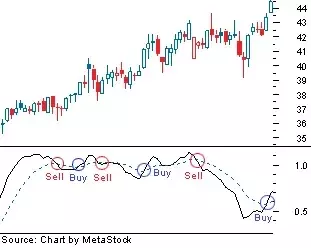
A whipsaw in financial trading denotes a scenario where an asset's price reverses direction abruptly after establishing a clear trend. This occurrence is prevalent in dynamic markets, frequently leading to financial setbacks for both short-term and day traders through false signals. Whipsaw patterns manifest as either sharp ascents followed by swift descents or rapid drops succeeded by quick recoveries. Grasping these patterns is essential for making informed trading decisions, effectively managing risk, and maintaining composure amidst immediate market fluctuations.
The term "whipsaw" originates from the action of lumberjacks using a two-person saw, where one person pulls while the other pushes. In finance, a trader experiences a "whipsaw" when the price of a recently acquired security suddenly moves in the opposite direction from their expectations. These patterns are most noticeable in unpredictable markets, where price movements are erratic. While long-term investors often navigate these volatile periods without significant losses, short-term traders frequently encounter challenges. For example, an investor buying a stock at its peak, anticipating further growth, might find themselves holding a depreciating asset if an unfavorable report causes an unexpected and sustained price drop. Conversely, short sellers hoping for a market decline might face losses if a sudden rally invalidates their put options, illustrating how whipsaws can affect both bullish and bearish positions.
To effectively manage the inherent volatility of whipsaw markets, adopting a long-term, buy-and-hold strategy or diversifying across various asset classes is recommended to weather price fluctuations. Technical indicators such as envelopes, momentum indicators, and parabolic SAR can aid in identifying these patterns, enabling more informed trading decisions. Furthermore, understanding the impact of macroeconomic policies, regulations, and variables on stock patterns is crucial, as these factors frequently contribute to the emergence of whipsaw movements. By combining robust analytical tools with a disciplined, long-term perspective, investors can better mitigate risks and even find opportunities within these challenging market conditions.
Understanding the intricacies of market dynamics, particularly phenomena like whipsaws, empowers investors to develop resilience and strategic foresight. Embracing education and analytical tools fosters a proactive approach to market participation, transforming potential pitfalls into opportunities for growth and informed decision-making. Continuous learning and adaptability are the cornerstones of navigating the ever-evolving financial landscape successfully.
