Freezing serves as an excellent strategy to cut down on food waste, save money, and have ready-to-use ingredients or meals on hand. It effectively halts the spoilage process, offering a simpler preservation method compared to canning or drying. However, exposing certain foods to freezing temperatures can lead to unappetizing, watery results upon thawing. This primarily stems from how ice formation affects the food's moisture content. When water within food crystalizes, it can damage cellular structures, altering the texture once thawed. Therefore, foods with lower water content tend to freeze more successfully.
Detailed Report on Foods to Avoid Freezing
Freezing is a practical approach for extending the life of many food items, yet certain products are ill-suited for the freezer. Ali Rosen, an expert in freezer meals and author of Modern Freezer Meals: Simple Recipes to Cook Now and Freeze for Later, highlights key categories to avoid:
- Leafy Greens and Juicy Vegetables: Fresh items such as lettuce, celery, and cucumbers, which owe their crispness to high water content, will become soft and unappealing after freezing. While not ideal for salads, they can still be useful for smoothies, where texture is less critical.
- Citrus Fruits: Similar to salad vegetables, whole citrus fruits do not fare well in the freezer. However, their juice can be frozen using ice cube trays for convenient, long-term storage in airtight containers.
- Yogurt, Sour Cream, and Crème Fraîche: Unlike butter or ice cream, cultured dairy products with high moisture and low fat content will separate and become grainy when frozen due to ice crystal formation affecting protein structures. Though potentially usable in cooked dishes or smoothies, their standalone quality diminishes significantly.
- Delicate Cheeses: Artisan varieties like Brie or blue cheese lose their nuanced textures and flavors when frozen, as low temperatures inactive beneficial microbes. Harder, low-moisture cheeses such as Parmesan or block Cheddar, however, can be frozen successfully if properly sealed and thawed slowly in the refrigerator.
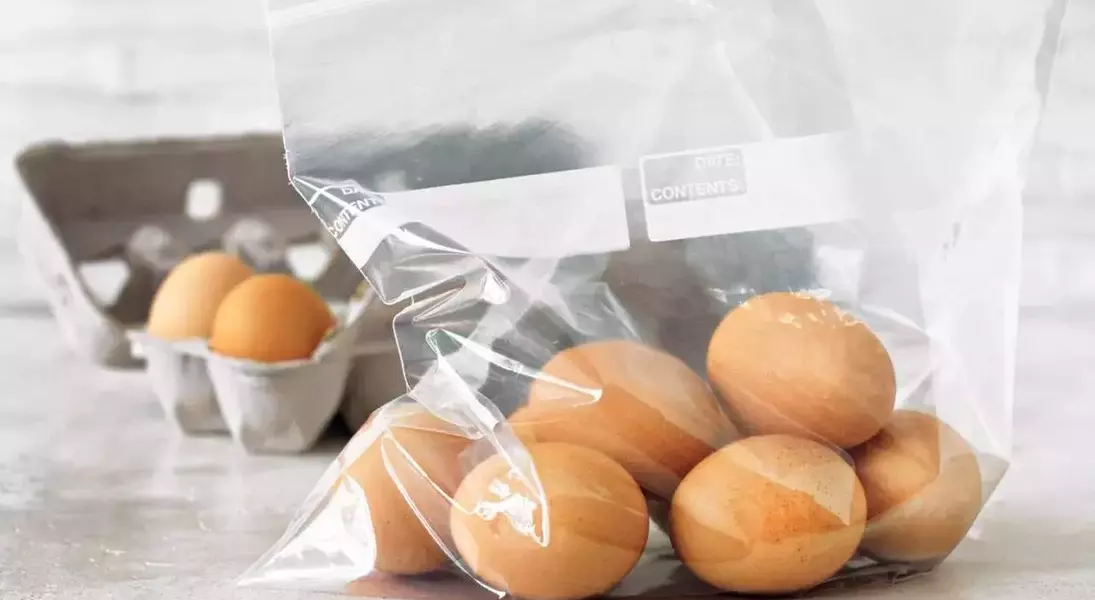
- Uncooked Eggs in Shells: Freezing whole eggs can cause the internal water to expand, cracking the shells and raising food safety concerns. Instead, whisk eggs out of their shells and freeze them in airtight containers; these are best used in mixed recipes after thawing.
- Thawed Meats and Seafood: While fresh meat can be safely frozen, refreezing items that have already been thawed is generally discouraged. This practice can lead to a dry, undesirable texture upon subsequent preparation.
- Raw or Cooked Potatoes: The high water content in raw potatoes results in a mushy texture post-freezing. Cooked potatoes fare slightly better, but their freshness is compromised. For optimal freezing of any cooked food, including potatoes, pre-chill them in the refrigerator to accelerate the freezing process and minimize ice crystal size, thereby preserving texture more effectively.
- Canned Goods: Never place sealed cans directly into the freezer. The expansion of contents can damage the can's integrity, posing a food safety risk. For freezing canned food contents, transfer them to freezer-safe, airtight containers, ensuring they are not overfilled.
To ensure the best outcomes when freezing, always pre-chill cooked foods, utilize airtight packaging or freezer-safe containers, and avoid overfilling them. Rapid freezing helps maintain food quality by preventing large ice crystal formation, preserving both taste and texture.
This detailed understanding of food-freezing dynamics offers valuable insights for any home cook looking to optimize their food storage practices. By avoiding these common pitfalls, we can reduce waste, improve meal planning, and savor seasonal ingredients year-round, all while ensuring that our culinary efforts are met with delicious results rather than disappointing textures. It underscores the importance of not just freezing, but freezing smartly.
