Venmo is a widely recognized application for electronic fund transfers, particularly favored by a younger demographic who have even adopted its name as a verb for making payments. Founded by Iqram Magdon-Ismail and Andrew Kortina, the app originated from their frustration with traditional point-of-sale systems and evolved from text-based cash transfers to a sophisticated smartphone application. After securing initial funding in 2010 and being acquired by Braintree in 2012, then by PayPal in 2013, Venmo launched a significant marketing campaign in 2015 with its "Pay with Venmo" feature. This strategic timing aligned perfectly with the global shift away from cash and traditional payment methods, contributing to its rapid expansion and integration into daily financial interactions.
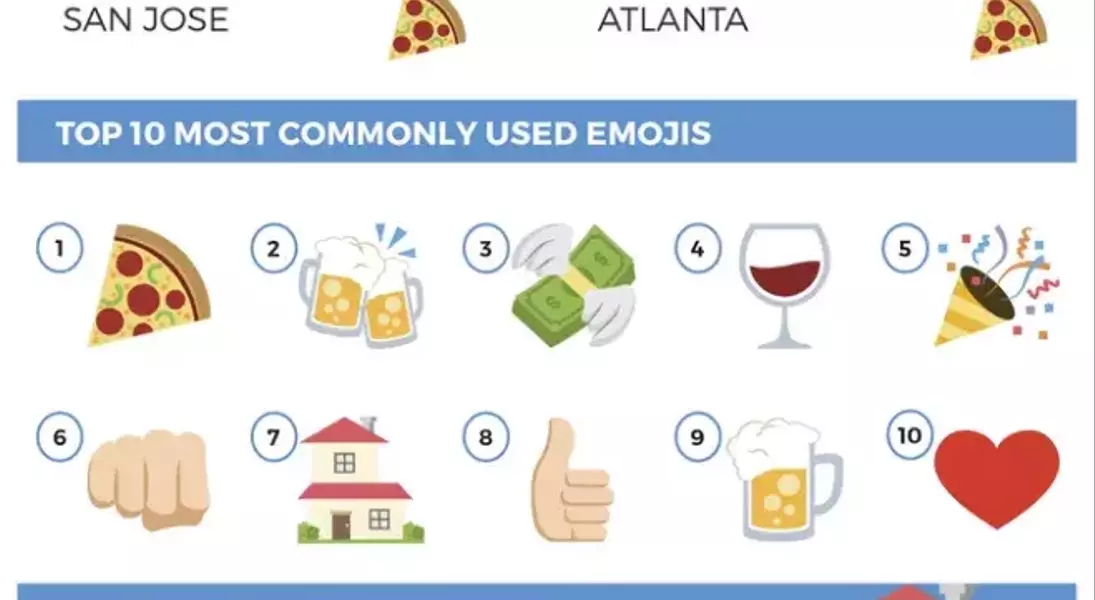
Venmo's business model is designed to attract and retain individual users by offering free standard personal payments funded by Venmo balances, bank accounts, or debit cards, and by not imposing monthly or annual account fees. Revenue generation primarily stems from transaction fees on credit card-funded transfers, eligible international PayPal transfers, and payments identified as goods and services. Additionally, Venmo earns through merchant fees, its branded debit and credit cards (via interchange and interest), premium business accounts, and cryptocurrency transactions. The app facilitates digital payments within a social network, often characterized by users signaling the nature of their transactions with emojis, highlighting its social and user-friendly interface. Despite its convenience, Venmo has limitations, including security concerns for some users, restrictions on unauthorized commercial transactions, and weekly payment caps that vary based on identity verification, necessitating careful planning for larger or frequent transfers. The mobile payment sector is highly competitive, with Venmo facing rivals such as Google Pay, Apple Pay, Zelle, Cash App, and Meta's money transfer service, all striving to capture market share in the digital finance arena.
Venmo: An Overview of Its Rise and Operational Model
Venmo has emerged as a leading platform for electronic fund transfers, particularly popular among younger users who frequently use its name as a verb for digital payments. The application's inception was driven by founders Iqram Magdon-Ismail and Andrew Kortina's dissatisfaction with conventional point-of-sale systems. Initially a text-message based cash transfer service, it quickly evolved into a comprehensive smartphone application. Following its seed funding in 2010, Venmo was acquired by Braintree in 2012, and subsequently by PayPal in 2013. A pivotal moment for the app was its 2015 marketing campaign, introducing the "Pay with Venmo" feature. This launch coincided with a broader economic trend moving away from physical cash and traditional checks, solidifying Venmo's position in the digital payment landscape.
Venmo's journey from a startup concept to a prominent mobile payment solution underscores its adaptability and market responsiveness. Its founders, who were college roommates, initially aimed to streamline payments for a friend's business, inadvertently stumbling upon the core idea for their future app. The transition from text-based money transfers to a smartphone application was a strategic move, anticipating the pervasive adoption of mobile technology. PayPal's acquisition provided Venmo with the necessary resources and infrastructure to scale its operations and reach a wider audience. The 2015 "Pay with Venmo" campaign was instrumental in popularizing the app, integrating it into merchant transactions and leveraging the growing preference for digital payments. This era marked a significant shift in consumer behavior, with Venmo at the forefront of simplifying peer-to-peer and consumer-to-business transactions through its intuitive and socially integrated platform.
Business Mechanics and Market Positioning of Venmo
Venmo's business strategy is built on a user-centric approach, offering free standard personal payment services funded directly from a Venmo balance, bank account, or debit card. This fee-free model for basic transactions, along with the absence of monthly or annual account fees, is a significant draw for users. The company primarily generates revenue through specific transaction fees, such as those applied to credit card-funded transfers, international PayPal transfers, and payments categorized as goods and services. Additional income streams include fees paid by merchants for accepting Venmo, interchange fees and interest from its debit and credit cards, premium services for business accounts, and transaction fees from cryptocurrency dealings. The platform's social aspect, where users often use emojis to describe transactions, enhances its appeal and integrates financial exchanges into social interactions.
Despite its widespread popularity and user-friendly design, Venmo faces certain limitations and operates within a highly competitive market. Users may encounter security concerns, which the app addresses through advertised security settings and encryption. Commercial use of Venmo is restricted to authorized channels, with specific business profiles and payment tools available, while unauthorized commercial transactions are prohibited. The app also imposes weekly payment caps, which vary based on whether a user's identity is verified, requiring users to plan larger or frequent transactions accordingly. In the competitive mobile payment arena, Venmo competes with major players like Google Pay, Apple Pay, Zelle (a bank-backed transfer service), Cash App, and Meta's payment services. These competitors continuously innovate, challenging Venmo to maintain its market position by enhancing features, expanding services, and ensuring a secure and seamless user experience in the evolving landscape of digital finance.
