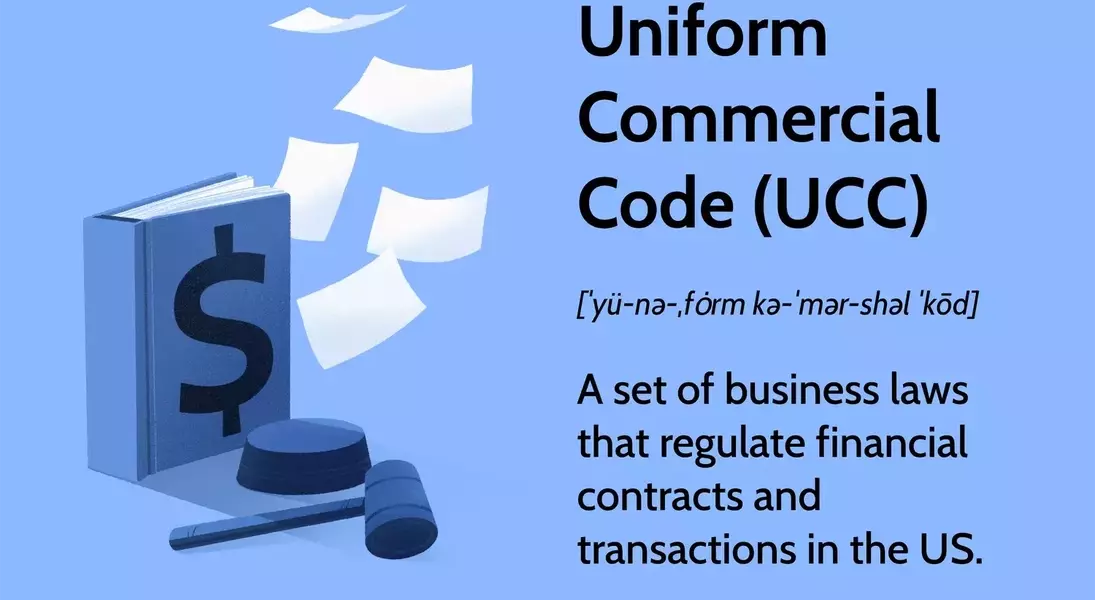
The Uniform Commercial Code (UCC) serves as a foundational legal framework for business and financial transactions across the United States. Instituted in 1953, its primary objective is to streamline interstate commerce by establishing a unified set of rules. This comprehensive code, comprising nine distinct articles, provides consistency and clarity for a broad spectrum of commercial activities, including banking operations, lending agreements, and the sale of goods. While the UCC aims for nationwide uniformity, individual states retain the autonomy to adopt or modify its provisions, leading to some variations in its application.
The Uniform Commercial Code: A Pillar of US Commerce
In 1953, the Uniform Commercial Code (UCC) was officially established, marking a significant milestone in American commercial law. This comprehensive set of regulations was developed through the collaborative efforts of the Uniform Law Commission (ULC), also known as the National Conference of Commissioners on Uniform State Laws (NCCUSL), and the American Law Institute (ALI). The ULC, founded in 1892, had been actively working on standardizing commercial laws for decades. By the 1950s, a concerted effort was made to consolidate these disparate laws into a single, cohesive code. Pennsylvania was the first state to embrace the UCC, with other states gradually following suit. However, Louisiana stands out as the sole state that has not fully adopted the UCC, although it has integrated certain aspects of the code into its legal system. Additionally, states like California have introduced their own modifications, particularly in areas like real estate and service contracts, which remain outside the UCC's purview in those jurisdictions.
The Uniform Commercial Code (UCC) has profoundly reshaped the American commercial landscape by fostering consistency and reducing legal complexities in interstate transactions. Its role in standardizing business practices has been instrumental in creating a more predictable and efficient economic environment. However, the varying degrees of adoption and modification across states highlight the ongoing tension between national uniformity and state-specific legal traditions. As businesses continue to operate across state lines, the UCC remains a vital, albeit evolving, tool for navigating the intricate world of commercial law.
