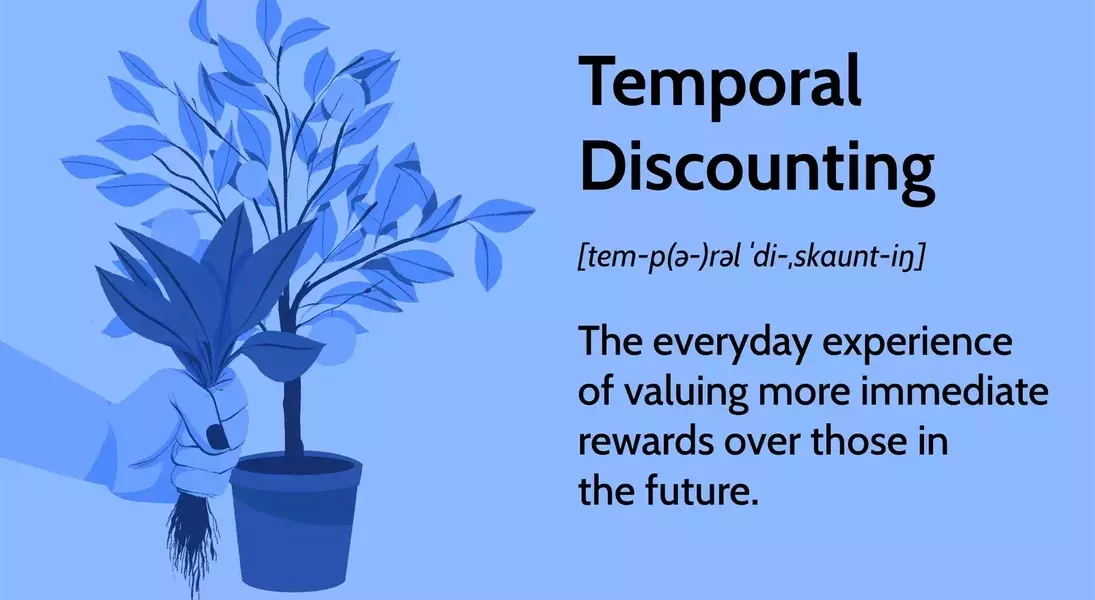
Temporal discounting, also referred to as time discounting or hyperbolic discounting, is a psychological concept that describes our inclination to favor immediate gratification over future benefits, even when the future benefits are objectively more substantial. This inherent bias influences a wide array of human behaviors and decisions, impacting personal finance, health, and consumer choices. Understanding how this cognitive shortcut operates can empower individuals to develop effective strategies for making choices that align more closely with their long-term goals and overall well-being.
The core mechanism of temporal discounting lies in how we value rewards based on their proximity in time. A reward available now often appears more attractive and valuable than the same or even a slightly larger reward offered at a later date. This is why many people might choose to receive $100 today instead of $110 a month from now, despite the rational economic choice being to wait for the extra $10. The perceived value of future rewards diminishes significantly as the delay increases, leading to what is known as a 'present bias'. However, this discount rate isn't constant; it is influenced by various factors such as our emotional state, social surroundings, and prior experiences.
Several factors contribute to and amplify temporal discounting. Psychologically, high impulsivity makes individuals more susceptible to the allure of immediate rewards. Those who are more averse to risk may also opt for certain immediate gains rather than uncertain future benefits. Emotional states, whether positive or negative, can profoundly sway our preferences, making us more likely to prioritize present pleasures. Contextually, social influences and past experiences play a significant role; peer pressure can encourage immediate consumption, and negative past experiences with delayed rewards can foster a preference for instant gratification.
The ramifications of temporal discounting extend deeply into decision-making and self-control. It often pushes us towards impulsive actions that undermine our long-term aspirations. The immediate satisfaction derived from an impulse purchase, an unhealthy meal, or a night out with friends can overshadow the intellectual understanding of the long-term value of saving, healthy eating, or educational pursuits. This cognitive distortion can lead to missed opportunities, such as inadequate retirement savings or neglected health, resulting in future financial instability or chronic health conditions. Moreover, giving in to immediate desires can often lead to fleeting pleasure followed by regret, contrasting with the lasting satisfaction of achieving long-term goals.
Temporal discounting manifests across numerous sectors. In finance, it explains why individuals might prioritize current spending over establishing robust savings accounts or diligently planning for retirement. The immediate gratification of acquiring new gadgets or dining out frequently can seem more appealing than the distant security offered by investments and compound interest. This short-sightedness can perpetuate cycles of financial instability, preventing individuals from building emergency funds or achieving financial freedom. Similarly, in consumer behavior, marketing strategies like "buy now, pay later" capitalize on this bias, encouraging immediate purchases that may not be financially prudent. This drive for instant consumption also has broader implications for environmental sustainability, as individuals may overlook the long-term ecological consequences of their present actions.
In the realm of health, temporal discounting presents a significant challenge. The immediate pleasure of unhealthy foods or skipping a workout often takes precedence over the long-term benefits of a healthy lifestyle, such as improved fitness or reduced risk of disease. This can lead to serious health issues over time, incurring substantial costs and reducing quality of life. Furthermore, temporal discounting is a critical factor in addiction, where the immediate "high" or pleasure of a substance or behavior overrides the severe and well-understood long-term consequences. The immediate discomforts of withdrawal symptoms can easily deter individuals from pursuing the long-term benefits of sobriety, making recovery a difficult uphill battle.
Effectively managing temporal discounting begins with self-awareness. Recognizing this inherent psychological tendency is the first step toward consciously making choices that align with our long-term goals. Strategies such as visualizing future aspirations can help reduce the appeal of immediate rewards. Practicing delayed gratification through small, consistent efforts can build resilience. Enlisting accountability partners can provide external motivation and support. Perhaps most effectively, automating decisions like retirement contributions or stock purchases can circumvent impulsive behaviors entirely. By understanding and actively countering temporal discounting, individuals can navigate daily choices with a clearer focus on creating a more purposeful and fulfilling future.
