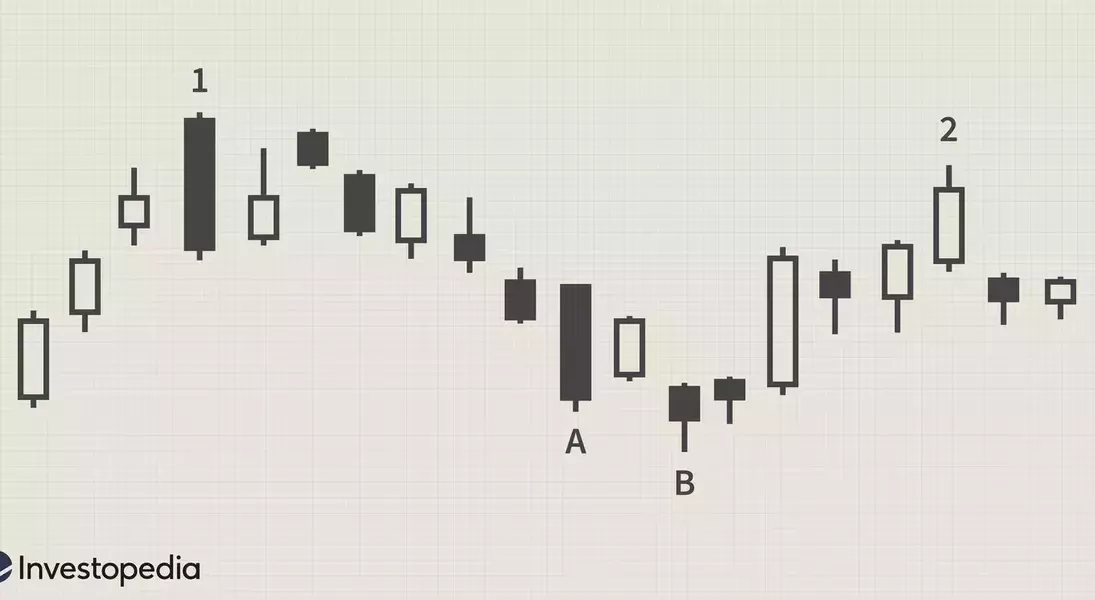

A swing low in financial analysis indicates a temporary price decline in an asset, often signaling a potential buying opportunity for market participants. These price troughs are crucial for various trading methodologies, helping to identify trends, manage risk with stop-loss orders, and anticipate market reversals. The perception of a swing low can vary depending on the chosen timeframe, ranging from hourly charts to daily or weekly perspectives.
Unveiling the Dynamics of Swing Lows in Trading Strategies
In the dynamic world of financial markets, understanding price fluctuations is paramount. On a crisp autumn morning, a seasoned trader might observe a significant dip in a stock's value, marking what is known as a 'swing low'. This phenomenon, a temporary bottom in an asset's price, serves as a pivotal point for technical analysts and traders alike.
A swing low is essentially the lowest price point reached within a specific period, reflecting a temporary downturn before a potential rebound. Its interpretation is inherently flexible, adapting to the observer's chosen timeframe. For instance, an intra-day trader might consider the lowest point within a few hours as a swing low, while a long-term investor might define it as the lowest price over several weeks or months. This adaptability makes swing lows a versatile tool across different trading styles.
One of the primary applications of swing lows is in deciphering market trends. A sequence of successively rising swing lows, coupled with rising swing highs, typically indicates an ongoing upward trend, a bullish signal for the market. Conversely, declining swing lows suggest a bearish downtrend. A deviation from these patterns, such as a swing low breaking below a previous support level, can often signal a potential shift in the prevailing market direction, alerting traders to re-evaluate their positions.
Moreover, swing lows are invaluable for risk management, particularly for investors holding long positions. By placing stop-loss orders just below a recognized swing low, traders can limit potential losses if the market unexpectedly reverses. The renowned Dow Theory corroborates this, positing that a price fall below a prior low could signify the onset of a downtrend. Furthermore, the absence of a new swing low while prices continue to fall can suggest a positive divergence, hinting that the downward momentum is waning. Such formations, especially consecutive swing lows, can also hint at significant trend reversal patterns, like the formation of a double or triple bottom, preceding a strong upward movement.
Effective trading strategies leverage swing lows in multiple ways. In a trending market, traders can use a swing low for 'trend retracement', entering a position at a more advantageous price after a temporary dip. Technical indicators such as stochastic oscillators, moving averages, or trendlines can help pinpoint when a swing low is concluding, ideally confirmed by multiple signals. Traders typically await a return of upward momentum, perhaps indicated by an oscillator moving above a critical threshold or consecutive days of price increases, before initiating a trade. A tightly managed stop-loss order below the swing low then protects against unforeseen reversals, and as the price ascends, this stop can be adjusted upwards, trailing the subsequent swing lows.
Another powerful application is in identifying 'trend reversals'. Following a prolonged downtrend, multiple swing lows that are roughly equal in value can signal a market bottom. Often, the most recent swing low might slightly undershoot the previous one, a maneuver sometimes attributed to 'smart money' clearing out stop-loss orders before driving the market higher. A trend reversal is definitively confirmed when the price closes above the high of the preceding swing low. Traders can then set initial profit targets by calculating the difference between the lowest swing low and the confirmation point, providing a clear objective for their trade.
The strategic utilization of swing lows empowers traders with clearer insights into market behavior, facilitating more informed decisions for entry, exit, and risk mitigation. This fundamental concept remains a cornerstone of technical analysis, guiding countless investors through the complexities of financial markets.
The concept of a 'swing low' offers profound insights into the subtle dance of financial markets. It's not merely a historical data point but a dynamic signal, pregnant with possibilities for astute investors. Recognizing and effectively utilizing these temporary troughs can transform a reactive trading approach into a proactive, strategic one. It underscores the importance of patience and meticulous observation, reminding us that even in apparent declines, opportunities for growth often lie hidden, waiting to be discovered by those who understand the market's rhythm. In essence, mastering swing lows is about seeing the dip not as an end, but as a potential new beginning, a testament to the ever-evolving nature of financial assets and the continuous quest for informed decision-making.
