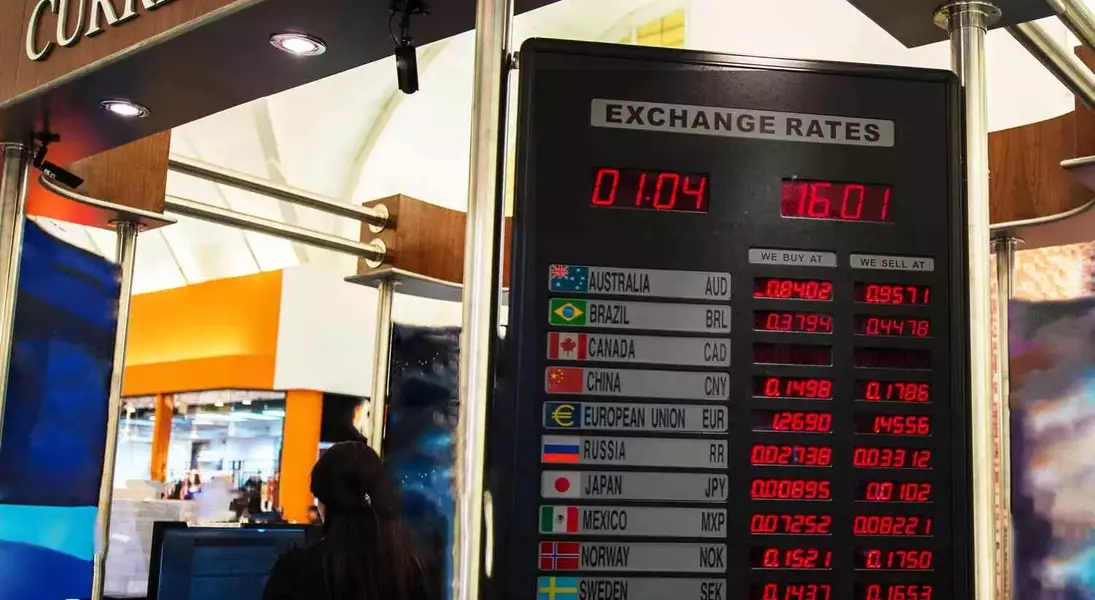
The immediate value at which one currency can be exchanged for another is known as the spot exchange rate, and transactions based on this rate usually finalize within two working days. This rate reflects a currency's current market valuation, established in the global foreign exchange market.
Detailed Report on Spot Exchange Rate Mechanisms
Spot exchange rates are pivotal in global finance, serving as the real-time cost of converting one currency into another. These rates are determined within the colossal foreign exchange (forex) market, which operates 24/7 across various financial hubs worldwide. The forex market, known for its immense liquidity and volume, sees trillions of dollars in currency exchanges daily, driven by a diverse array of participants from corporations and financial institutions to individual traders. Major currencies actively traded include the U.S. dollar, the Euro, the Japanese yen, the British pound, and the Chinese renminbi.
Transactions at the spot rate are crucial for international trade, foreign investment, and speculative activities. For instance, businesses involved in cross-border trade use spot rates to convert revenues into their domestic currency or pay for imports. Investors leverage these rates for international portfolio diversification, while speculators aim to profit from short-term currency fluctuations. Economists and analysts closely monitor these rates as indicators of a nation's economic health; a strong spot rate often suggests a robust economy, whereas a weak rate might signal underlying economic challenges.
Several key factors influence spot exchange rates. In the short term, rates can be highly volatile, reacting swiftly to breaking news, market sentiment, and immediate trading strategies. Over the longer term, however, rates are generally shaped by fundamental economic indicators such as interest rate differentials between countries, inflation rates, economic growth, and political stability. Central banks play a significant role in managing currency stability, sometimes intervening directly in the market by buying or selling currency, or indirectly by adjusting interest rates to influence currency values. Some governments, particularly in developing economies, even peg their currencies to a major international currency, like China's yuan to the U.S. dollar, to maintain a tight trading range and control volatility.
Executing a spot exchange transaction typically involves a settlement period of two business days, often referred to as T+2. A notable exception is the USD/CAD pair, which usually settles on the next business day (T+1). This settlement period can be extended by weekends or public holidays. Transactions can be facilitated through direct deals between two parties, automated electronic brokering systems, electronic single or multi-bank trading platforms, or even via voice brokers over the phone. During a transaction, parties agree on the currencies to be exchanged, the prevailing exchange rate, the total value, and the settlement date. If physical currency delivery is required, bank details are also exchanged. Speculative traders, particularly in high-frequency trading, might engage in multiple trades within the same settlement date, with only the net gain or loss being settled, thus avoiding actual currency delivery.
It is important to differentiate spot exchange rates from Real Effective Exchange Rates (REERs). While spot rates reflect the immediate market price, REERs provide a broader perspective, indicating a currency's value relative to a basket of other currencies, weighted by trade volumes. REERs are less influenced by daily market fluctuations and more by central bank policies, international trade dynamics, geopolitical risks, economic conditions (including inflation and recessions), current account deficits, and stock market performance. Understanding these distinctions is crucial for a comprehensive grasp of currency valuation and market dynamics.
The dynamic interplay of supply and demand, influenced by myriad economic and geopolitical factors, consistently reshapes currency valuations. For participants in global markets, keen awareness of these evolving rates is not merely advantageous but essential for informed decision-making and strategic planning.
