
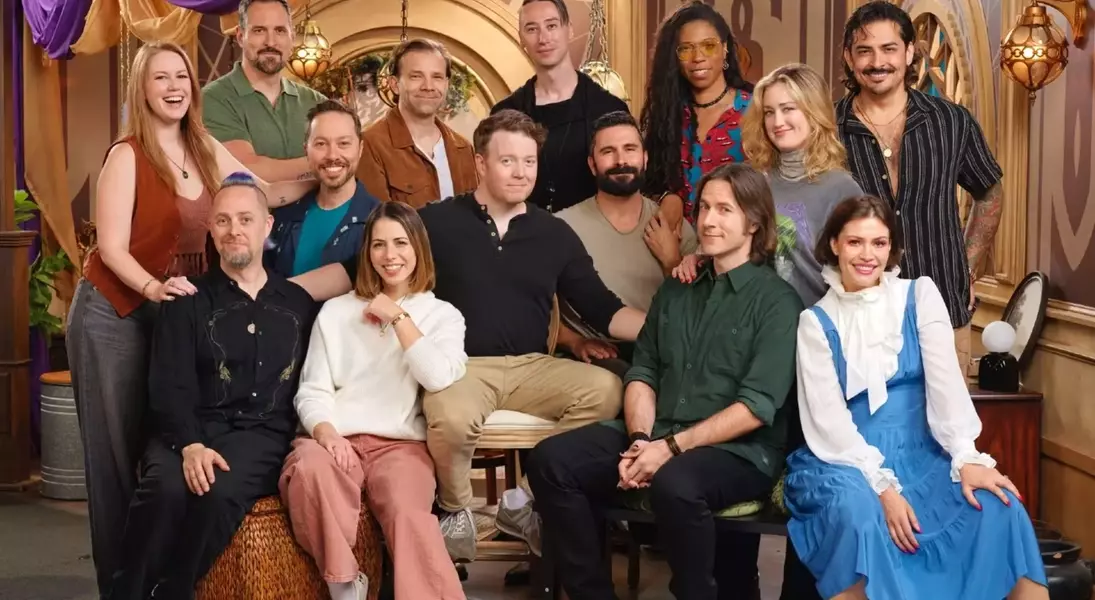
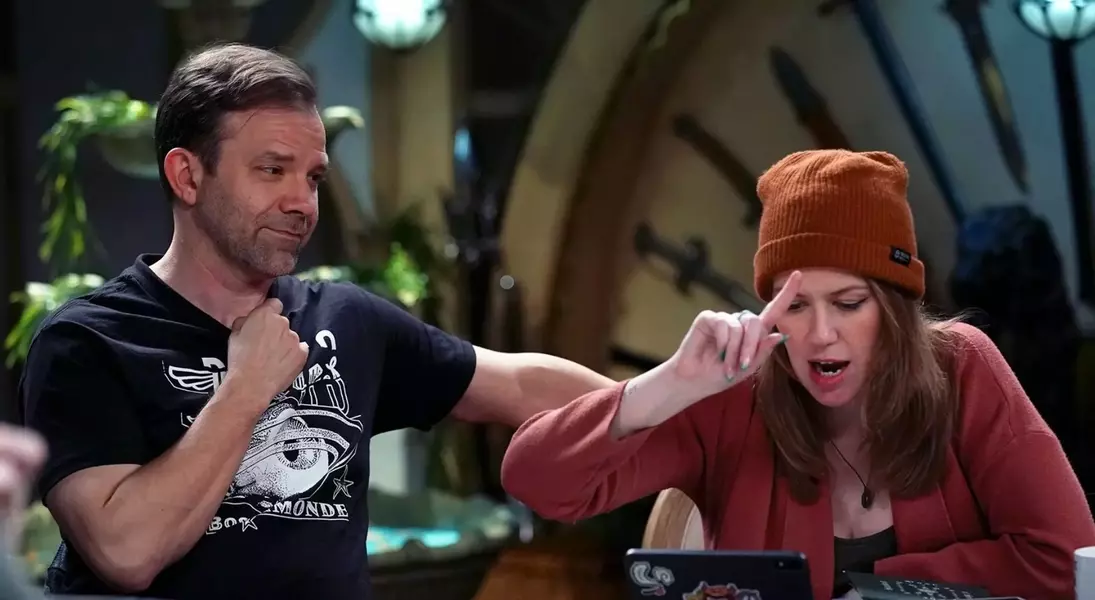
The widely acclaimed Dungeons & Dragons actual-play program, Critical Role, has carved out a significant niche, captivating audiences for over a decade with its compelling narratives, special events, and extensive campaigns. Its widespread popularity has even led to successful animated adaptations, such as The Legend of Vox Machina and The Mighty Nein, available on Prime Video, further cementing its status in popular culture. Despite its immense following, a common hurdle for new and existing viewers has been the sheer duration of its episodes; while typically running three to four hours, certain segments, like the 'Convergence' arc, saw episodes extend to an astonishing five hours, with one notable broadcast, 'Trick of the Light,' stretching beyond six hours.
Addressing the recent trend of shorter broadcasts, Critical Role's co-founder and creative director, Marisha Ray, offered insightful explanations during a recent Fireside Chat. She highlighted that a significant factor contributing to this adjustment is the diverse global audience, many of whom reside in time zones that make it challenging to commit to multi-hour late-night viewing sessions, echoing a humorous sentiment: "Y'all stop watching!" More critically, however, the decision is deeply rooted in a commitment to the well-being of the entire production team. Ray emphasized the importance of adhering to labor laws and avoiding excessive overtime, ensuring that the crew, who often work long hours in addition to their voice acting and administrative duties, can return home to their families and avoid exhaustion.
Ultimately, these strategic changes underscore a progressive approach to content creation, where the quality of the viewing experience is intrinsically linked to the health and sustainability of the production environment. By consciously limiting episode lengths, Critical Role not only makes its content more accessible to a broader audience but also champions responsible labor practices, fostering a positive and respectful workplace culture. This commitment reflects a modern understanding that valuing and safeguarding the well-being of every individual involved in bringing these beloved stories to life is paramount, ensuring the long-term success and creative vitality of the show.
