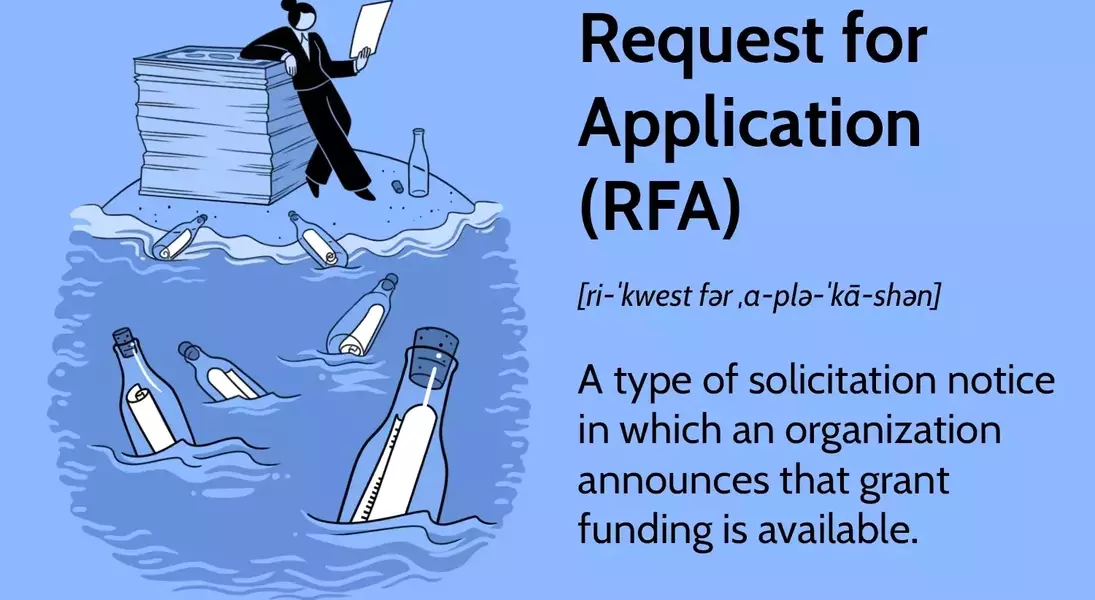
A Request for Application (RFA) is a formal announcement issued by entities, typically government bodies or non-profit organizations, to invite submissions for specific projects that qualify for grant funding. These grants are financial awards that do not require repayment, provided the recipients adhere to the outlined conditions and objectives. The RFA document serves as a comprehensive guide, detailing the project scope, eligibility criteria for applicants, the methodology for proposal evaluation, and the critical timelines for both submission and review processes. It ensures clarity and transparency, enabling potential grantees to understand the requirements and present competitive applications.
RFAs are integral to the broader grant-making ecosystem, which involves several structured stages to ensure efficient and equitable distribution of funds. This process often begins with a Funding Opportunity Announcement (FOA), indicating an agency's intent to award grants through competitive funding. Following this, a Program Announcement (PA) might specify thematic priorities and operational timelines. The RFA then acts as the detailed call for proposals, outlining specific project needs and evaluation metrics. Further steps may include a Request for Proposal (RFP) for contractual arrangements and official Notices (NOT) for policy updates or clarifications, all contributing to a transparent and methodical allocation of resources.
For instance, organizations like the U.S. Environmental Protection Agency (EPA) and the National Institutes of Health (NIH) frequently publish RFAs. The EPA might issue an RFA for initiatives aimed at enhancing drinking water systems, detailing applicant and project eligibility, evaluation standards, budgetary considerations, and logistical information. Similarly, the NIH, through its Guide for Grants and Contracts, outlines specific research areas for which funding is available, specifying receipt dates and the scientific review process. These examples underscore how RFAs provide a structured framework, enabling organizations to secure funding for vital projects while ensuring accountability and adherence to predefined objectives.
The structured and transparent nature of the RFA process embodies principles of fairness and integrity in resource allocation. By clearly defining expectations and evaluation criteria, RFAs foster an environment where innovative and impactful projects can secure the necessary financial support, ultimately contributing to societal advancement and the common good.
