Put-call parity is a critical theoretical framework in the world of options trading, establishing a precise relationship between the values of European call and put options. This principle, when observed, indicates market equilibrium. However, any deviation from this parity can signal a momentary arbitrage opportunity, allowing astute traders to capitalize on pricing imbalances. While this theoretical ideal may seem straightforward, real-world trading introduces complexities such as transaction costs and market volatility, which can influence option prices and make true risk-free profits elusive. Nonetheless, understanding this core concept remains essential for effective options strategy and risk management.
The Core Principles of Put-Call Parity and Its Market Implications
The concept of put-call parity, first introduced by economist Hans R. Stoll in his influential 1969 paper, "The Relationship Between Put and Call Option Prices," provides a vital model for understanding options valuation. It dictates that for European-style options—those exercisable only at expiration—a specific balance must exist between the prices of a call option and a put option that share the same underlying asset, strike price, and expiration date. This equilibrium can be represented by a financial equation, where the cost of a call option plus the present value of the strike price equals the cost of a put option plus the current spot price of the underlying asset.
When this equation holds true, the options market is deemed efficient, and there are no immediate opportunities for arbitrage. However, if the market prices diverge from this theoretical balance, a temporary mispricing occurs. For instance, if a put option is trading at a higher price than implied by the parity equation, an arbitrageur could simultaneously sell the overpriced put, buy the corresponding call, and manage their position in the underlying stock to secure a risk-free profit. While such perfect arbitrage scenarios are theoretically possible, the speed of modern algorithmic trading in developed markets often closes these windows of opportunity almost instantly.
Consider a practical scenario involving XYZ stock. If a six-month European put option with a $55 strike price is being evaluated, and we have the stock price (S) at $50, the present value of the strike price (PV(x)) at $54.46, and a corresponding European call option (C) at $3.00, the put-call parity formula dictates that the put option (P) should also be $7.46. If the market price for this put aligns with this calculated value, the market is in parity. However, if the market price for the put were, for example, $8.00, a clear mismatch would emerge. This discrepancy would allow an arbitrageur to profit by selling the overvalued put, buying the undervalued call, and shorting the underlying stock, thereby locking in a guaranteed profit upon expiration.
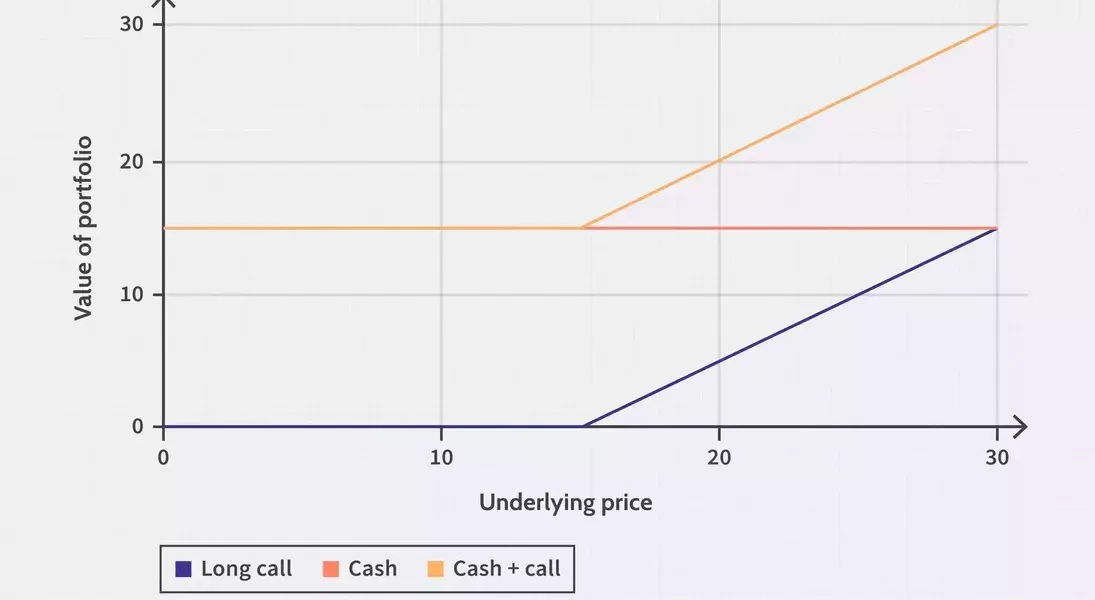
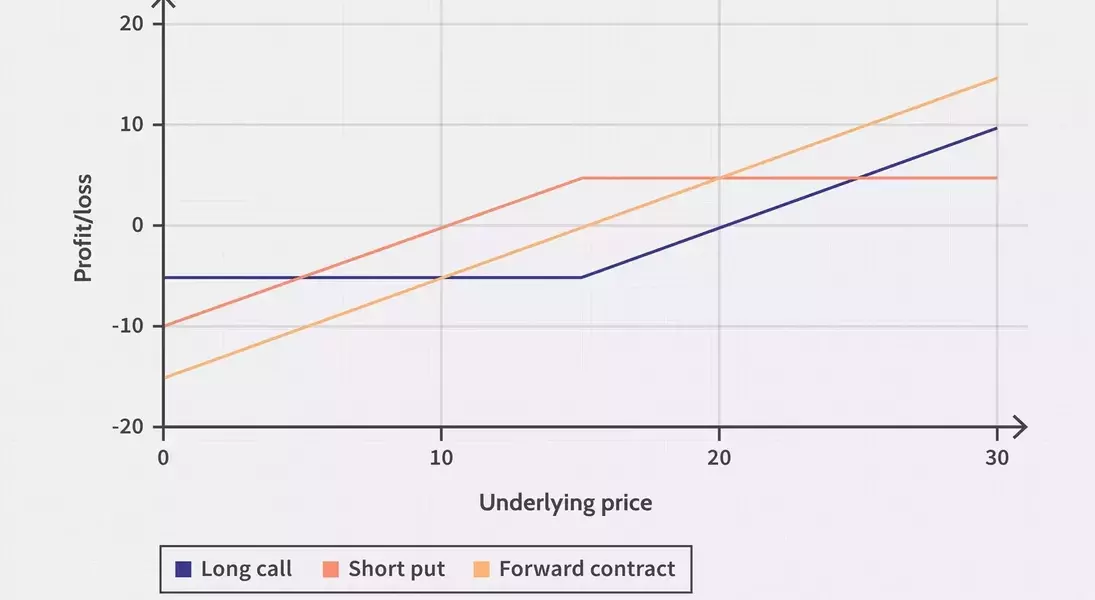
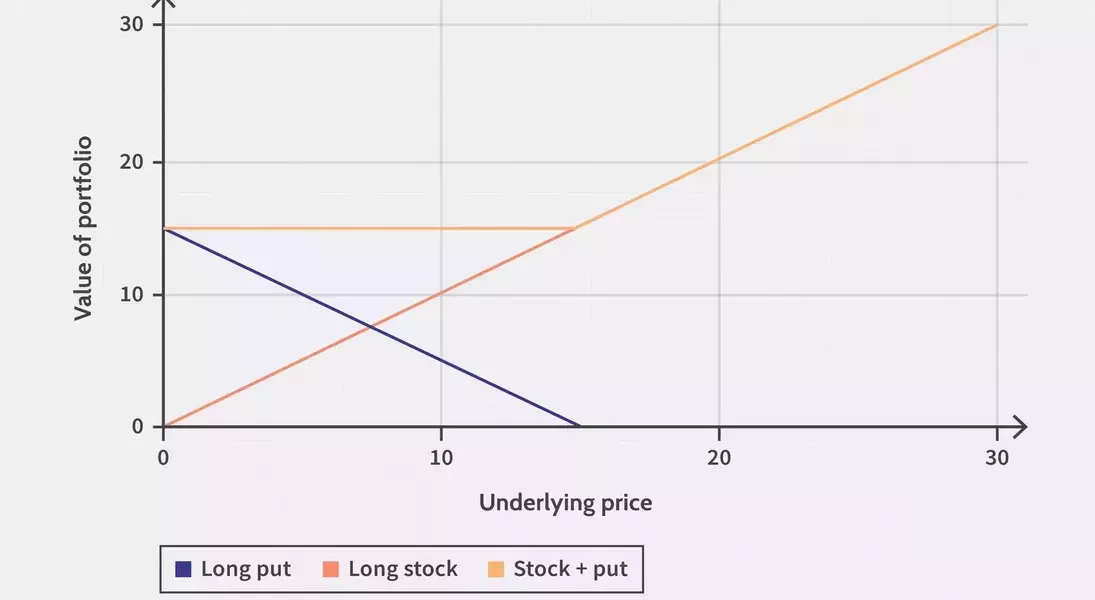
The underlying strategies that illustrate put-call parity include the "protective put" and the "fiduciary call." A protective put combines owning a stock with simultaneously buying a put option, hedging against potential downside risks. Conversely, a fiduciary call involves holding a long call option along with a risk-free asset (like a Treasury bill) whose value matches the present value of the option's strike price. Both strategies aim to replicate the payoff profile of holding the underlying stock or a synthetic forward, demonstrating the interconnectedness of these financial instruments through the lens of put-call parity. In both theoretical models and real-world applications, factors like transaction costs, dividends, and interest rates play significant roles, subtly influencing option premiums and making the identification and exploitation of arbitrage opportunities a complex, albeit intriguing, challenge for traders.
The intricate dance between option prices and their underlying assets, governed by the elegant principle of put-call parity, provides a fascinating glimpse into the mechanics of financial markets. From a market observer's perspective, this theory not only underscores the rational pricing behavior expected in efficient markets but also highlights the constant vigilance required by traders to identify and act upon even fleeting imperfections. While perfect arbitrage may be a rare commodity in today's technologically advanced trading environments, the conceptual understanding of put-call parity remains an indispensable tool. It empowers participants to construct robust hedging strategies, evaluate pricing fairness, and gain a deeper appreciation for the interconnectedness of various financial instruments. It reminds us that even in complex systems, fundamental relationships persist, offering insights into value and risk that are crucial for informed decision-making.
