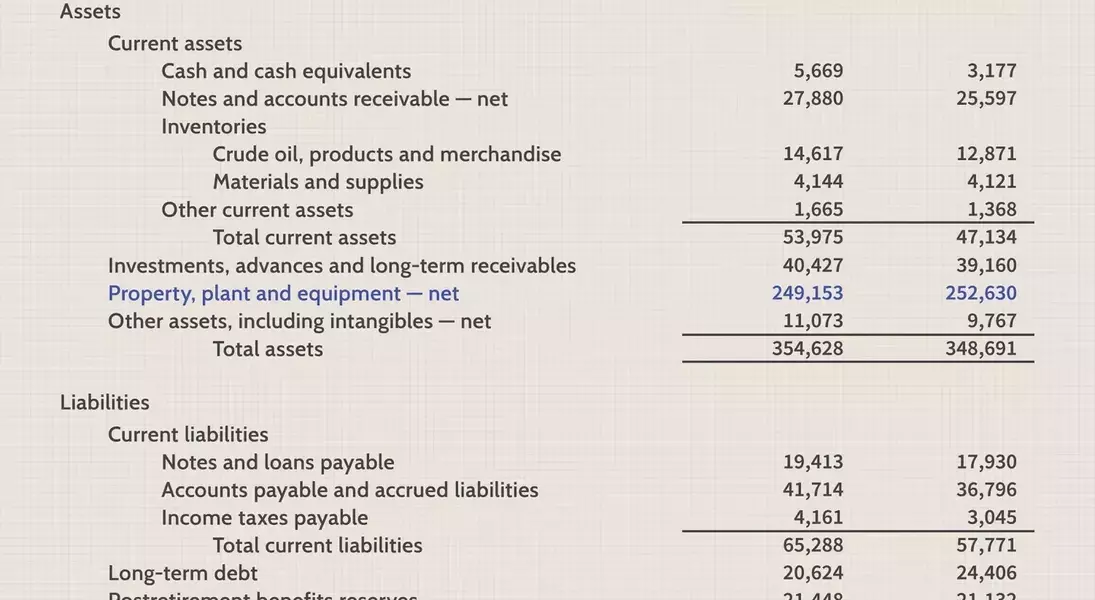
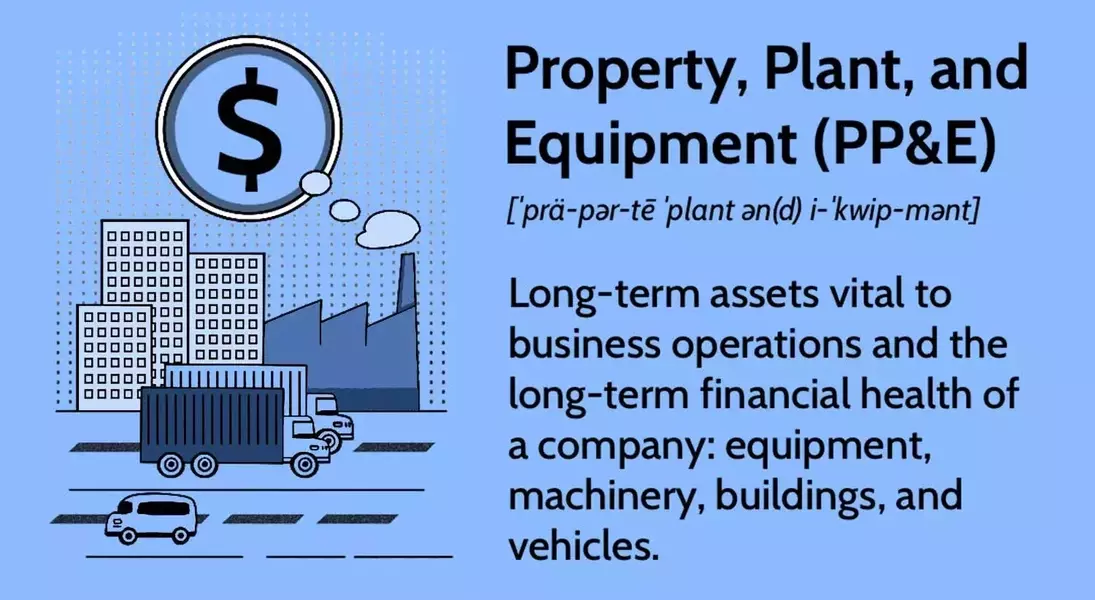
Property, Plant, and Equipment (PP&E) are fundamental to a company's operational infrastructure. These assets, which include physical items like buildings, machinery, and land, are classified as long-term tangible assets. Unlike current assets that can be easily converted to cash, PP&E's value is realized through its sustained use in business operations rather than its immediate sale. This characteristic highlights their role in demonstrating a company's long-term financial commitment and stability. Businesses invest in such assets with a vision for future growth and continued functionality, underscoring their confidence in their sustained operations.
The valuation of PP&E on a company's financial statements involves a specific calculation: the gross value of these assets is combined with capital expenditures, and then accumulated depreciation is subtracted. This adjusted figure, known as net PP&E, provides a more accurate representation of the assets' current worth. For instance, if a company owns a building worth $1,000,000 that has depreciated by $600,000, and it acquires another building for $1,000,000 with a combined depreciation of $30,000, the net PP&E would be $1,370,000. It is crucial to note that while most PP&E depreciates over time, land is a unique exception as its value generally appreciates, and it is recorded at market value. This aspect of PP&E calculation offers valuable insights into a company's financial health, as significant PP&E holdings often reflect robust operational capacity and a solid asset base.
Ultimately, PP&E assets serve as a barometer for a company's long-term viability and its willingness to invest in its future. These assets, though not readily liquid, play a pivotal role in securing financing and reflecting a company's operational strength. Understanding PP&E means recognizing that these tangible assets are indispensable for ongoing business activities and represent a strategic investment in persistent success. When assessing a company's financial outlook, PP&E data should always be considered alongside other critical financial metrics to gain a comprehensive understanding of its overall economic standing and potential.
