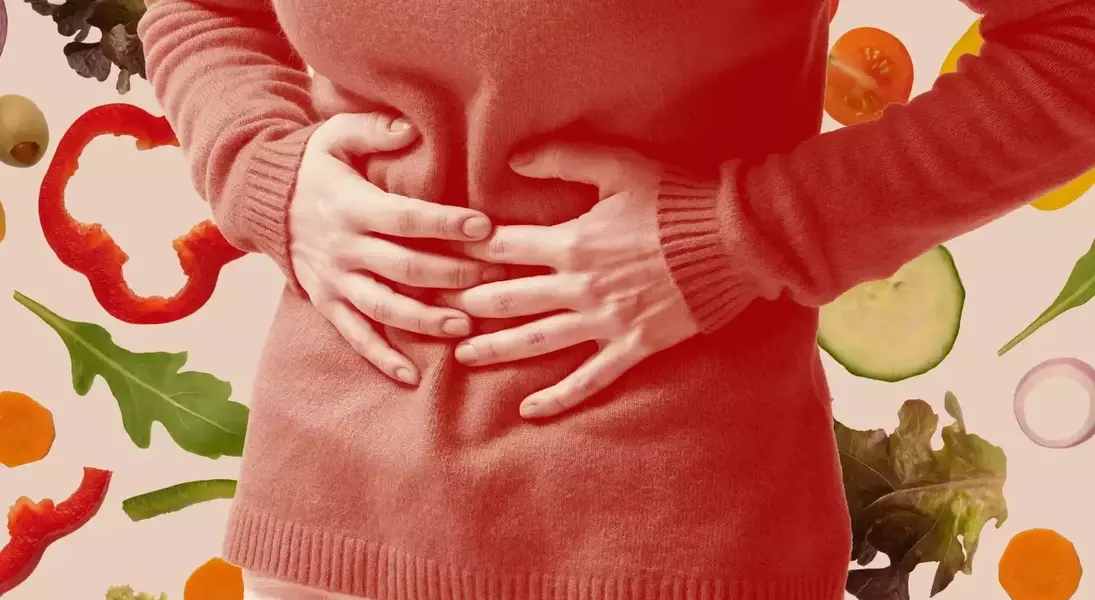
Many people find that salads, despite their reputation for being healthy, can sometimes cause uncomfortable sensations like gas and bloating. This common issue arises from several factors inherent in salad consumption and preparation. These include inadequate water intake, a rapid increase in dietary fiber, the inclusion of ingredients high in fermentable carbohydrates (FODMAPs), the type of salad dressings used, and even the pace at which one eats. Understanding these potential triggers is key to enjoying salads without digestive distress. By making informed adjustments to hydration, fiber introduction, ingredient selection, and eating habits, individuals can transform their salad experience into one that is both nutritious and comfortable for their digestive system.
Common Causes of Post-Salad Bloating
Experiencing bloating after consuming a salad can often be attributed to several common factors related to digestion and diet. These include not drinking enough water, a sudden increase in fiber consumption, the presence of high-FODMAP foods, specific types of salad dressings, and the speed at which one eats. Each of these elements can disrupt the digestive process, leading to the accumulation of gas and feelings of fullness or discomfort. Recognizing these triggers is the first step towards mitigating post-salad bloating and enjoying your meals more fully. By understanding how these factors influence your digestive system, you can proactively adjust your eating habits and ingredient choices to promote better gut health and comfort after eating.
Dehydration plays a significant role in post-salad bloating, especially when consuming fiber-rich meals. Fiber requires adequate water to move smoothly through the digestive tract. Soluble fiber, for instance, forms a gel with water, aiding in softening stool, while insoluble fiber adds bulk. Without sufficient hydration, the colon might draw water from the stool, making it harder to pass and leading to constipation and bloating. Therefore, sipping water consistently with your meal is crucial. This practice helps soften stool and facilitates fiber movement, preventing discomfort. Introducing fiber into your diet too quickly can also cause bloating. When gut bacteria rapidly ferment undigested fiber, it leads to increased gas production. Research indicates that while initial increases in fiber might cause discomfort, symptoms typically normalize after a few weeks as the gut microbiome adapts. To avoid this, gradually increase fiber intake by 3-5 grams every few days. Furthermore, certain high-FODMAP ingredients like onions, raisins, and avocados, when not fully absorbed in the small intestine, are fermented by gut bacteria in the large intestine, producing gas and leading to bloating. Opting for smaller portions of these foods or choosing low-FODMAP alternatives, such as fresh berries instead of dried fruit, can significantly help. Dressings also contribute; sugar alcohols like sorbitol or xylitol, found in sugar-free options, can cause gas and bloating as they are fermented in the colon. Dairy-based dressings can also be problematic for individuals with lactose intolerance. Eating too quickly is another common culprit, as it leads to swallowing excess air, a phenomenon called aerophagia, which causes abdominal distension. Slowing down your eating pace allows for better digestion and reduces swallowed air, potentially alleviating bloating.
Strategies for Enjoying Salads Without Discomfort
To ensure a pleasant dining experience with salads, several practical adjustments can be made to minimize digestive discomfort. These strategies focus on modifying preparation methods, ingredient choices, and eating habits to support better digestion. By implementing these tips, you can enjoy the nutritional benefits of salads without the common side effects of bloating and gas. Incorporating protein and healthy fats, opting for cooked vegetables, and utilizing specific herbs can all contribute to a more balanced and easily digestible meal. These thoughtful modifications help create a salad that is both satisfying and gentle on your digestive system, making healthy eating a more comfortable and enjoyable part of your routine.
To build a salad that is both satisfying and gentle on your digestive system, consider several dietitian-backed tips. First, incorporating a good source of protein, such as chicken, salmon, or shrimp, is essential. Protein not only adds flavor and texture but also significantly increases satiety, helping you feel fuller for longer. This can prevent overeating and support more balanced digestion. Second, enrich your salad with healthy fats like olive or avocado oil. These fats contribute to a feeling of fullness and are vital for the absorption of fat-soluble vitamins (A, D, E, and K) from your vegetables. This ensures you're getting the maximum nutritional benefit from your meal. Third, combine cooked vegetables with raw greens. Cooked vegetables are often easier for the digestive system to process because heat breaks down their tough cell walls, reducing the likelihood of bloating. Adding roasted or steamed vegetables alongside your fresh greens offers a diverse texture and nutrient profile while easing digestion. Lastly, enhance flavor with low-FODMAP herbs like mint, chives, or dill. These herbs can elevate the taste of your salad without introducing ingredients that might trigger bloating, making your meal more enjoyable and comfortable. By following these guidelines, you can craft a delicious, nutritious, and easily digestible salad that leaves you feeling energized and comfortable.
