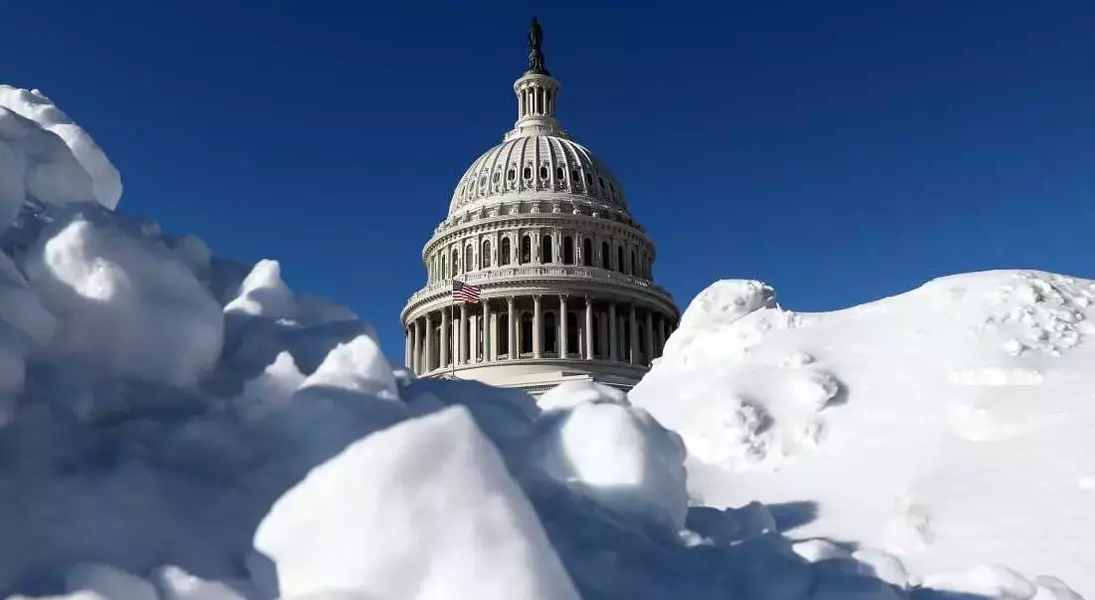
The United States government has entered a partial shutdown, primarily due to the failure of Congress to finalize a spending bill before the stipulated deadline. However, a potential resolution appears imminent, as the Senate has successfully passed a legislative package that aims to fund numerous federal departments through the end of the fiscal year. This package also includes a temporary funding extension for the Department of Homeland Security, allowing for critical negotiations on immigration enforcement policies. The House of Representatives is expected to vote on this measure shortly after reconvening, with the goal of mitigating the impact of the shutdown, despite potential opposition from certain conservative factions.
The Current State of the Partial Government Shutdown
The U.S. government has initiated a partial shutdown because Congress could not finalize a comprehensive spending agreement by the deadline. This situation has led to funding lapses across various federal departments, including Defense, State, and Health and Human Services. However, a breakthrough appears to be in sight, as the Senate recently approved a significant spending package designed to finance these agencies through September. Additionally, a temporary two-week funding extension for the Department of Homeland Security has been passed. This short-term measure is intended to provide lawmakers with additional time to deliberate on and implement reforms concerning federal immigration enforcement, particularly in light of recent incidents involving federal immigration officers. The legislation now awaits approval from the House of Representatives, which is set to return from its recess, with the expectation that a vote will take place swiftly.
Despite the current partial shutdown, there is a strong sense of urgency in Washington to finalize the spending package and prevent prolonged disruptions. The Senate's approval of the funding bill signifies a crucial step towards resolving the impasse. The two-week extension for the Department of Homeland Security is particularly noteworthy, as it underscores the ongoing debate and calls for policy changes regarding immigration enforcement tactics. This period is critical for negotiations, aiming to address concerns raised by recent events and ensure accountability. While President Trump has endorsed the package, its passage through the House may face challenges from conservative members who have expressed reservations. The swift action of the House upon its return will be crucial in determining the duration and impact of the shutdown, with many hoping for a quick resolution to minimize adverse effects on federal operations and services.
Legislative Challenges and Democratic Demands for Immigration Reform
The approved legislative package faces potential hurdles in the House of Representatives, where the Speaker holds a narrow majority. Opposition from conservative groups, such as the House Freedom Caucus, could complicate its passage. Concurrently, Democrats are advocating for substantial reforms in how federal immigration officers conduct their duties. These proposed changes include mandating body cameras, establishing a clear code of conduct, and implementing consistent use-of-force protocols. They also seek restrictions on the types of warrants used for home entries and an end to "roving patrols" that broadly target individuals suspected of being undocumented. Furthermore, Democrats are pushing for easier legal recourse against immigration officers and independent investigations into misconduct, alongside requirements for agents to display clearer identification.
The push for immigration reform has gained momentum following recent incidents, with some Republicans expressing discomfort with existing enforcement tactics and calling for investigations. However, divisions persist within the Republican party regarding the necessity of further policy changes, with some members emphasizing the importance of immigration officers fulfilling their duties. The debate highlights a significant ideological divide, balancing the need for effective law enforcement with demands for accountability and human rights. The outcome of the House vote on the funding package will not only determine the immediate future of government operations but also signal the willingness of Congress to address fundamental issues concerning immigration enforcement. The ongoing discussions underscore the complexity of achieving a bipartisan consensus on sensitive issues, with both sides navigating political pressures and public expectations.
