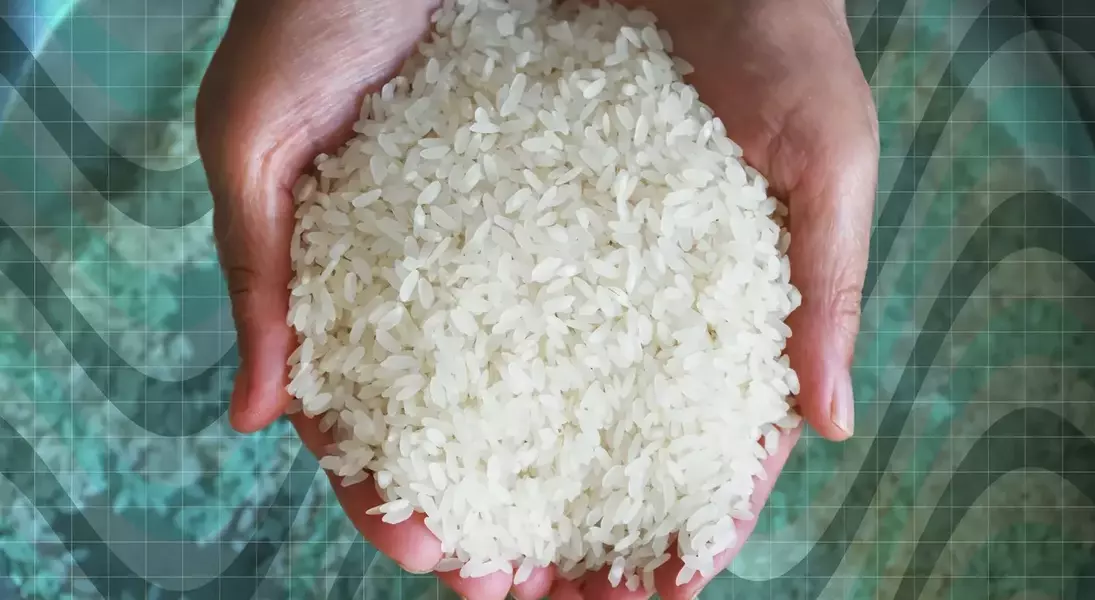
Recent findings from a Healthy Babies Bright Futures report in May 2025 have intensified concerns regarding heavy metal contamination, particularly arsenic, in rice. Despite heavy metals being naturally present in the environment, the report revealed alarmingly high levels of arsenic in over 145 rice samples across the United States. Given rice's global prominence as a staple food, this discovery raises significant public health questions, especially concerning children who are more vulnerable to its effects.
Arsenic exists in two forms: organic and inorganic. The latter, frequently found in contaminated irrigation water and soil, poses severe health risks, including increased chances of certain cancers, cardiovascular diseases, diabetes, and developmental delays in infants. Rice, particularly susceptible to absorbing inorganic arsenic due to cultivation practices involving flooded fields, is a major concern. Experts emphasize that while completely avoiding arsenic is impossible, adopting conscious dietary habits, such as diversifying grain intake and proper rice preparation methods, can significantly reduce exposure. Regulatory bodies like the EPA and FDA have established permissible arsenic limits in water and baby food, but recent tests indicate that some products still exceed these guidelines, underscoring the need for continued vigilance and consumer awareness.
The increasing focus on environmental contaminants like arsenic is driven by greater data availability and a deeper understanding of their health impacts. Climate change further complicates this issue, as rising carbon dioxide levels and temperatures have been linked to higher inorganic arsenic concentrations in rice, highlighting the intricate relationship between environmental factors and food safety. While individuals may not need to eliminate rice entirely, especially if it's a cultural dietary cornerstone, those who are pregnant or managing chronic health conditions might consider opting for alternative grains to minimize health risks. Simple strategies such as thoroughly rinsing and cooking rice with excess water, choosing rice varieties with lower arsenic content (e.g., California-grown, Thai jasmine, Indian basmati), testing drinking water, and incorporating a diverse range of plant-based foods rich in fiber and phytonutrients can help mitigate arsenic accumulation and promote overall well-being. This proactive approach empowers individuals to make informed dietary choices, fostering a healthier lifestyle amidst growing environmental challenges.
