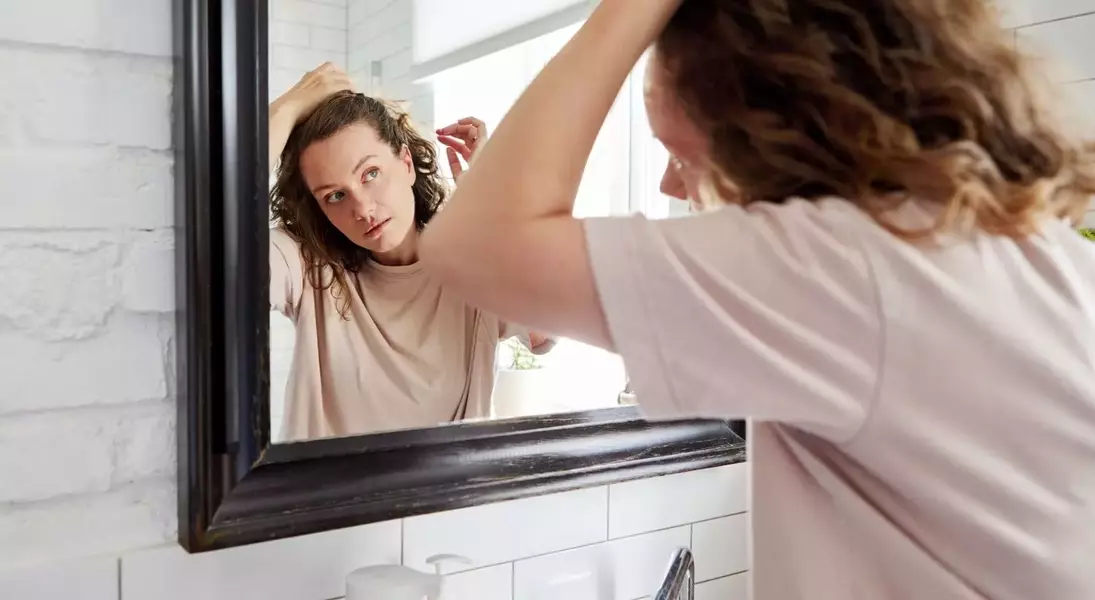
New mothers often notice a significant change in their hair density after childbirth, a common occurrence referred to as postpartum hair loss or telogen effluvium. During pregnancy, elevated estrogen levels extend the hair's growth phase, resulting in thicker, more lustrous locks. However, post-delivery, the rapid decline in estrogen causes a synchronized shedding of these extra hairs, typically appearing two to four months after birth. This shedding, though often alarming, is temporary and represents the body's natural adjustment to hormonal changes, not permanent damage to hair follicles.
While it's impossible to completely halt this hormonally driven shedding, new mothers can take steps to support hair and scalp health. Experts suggest adopting a gentle hair care routine, utilizing nourishing products, and performing regular scalp massages to encourage blood flow and stimulate follicles. Minimizing heat styling and tight hairstyles can also reduce stress on the hair. Incorporating iron, protein, and zinc-rich foods, along with doctor-approved vitamin supplements, can further support follicular health. For those seeking immediate aesthetic relief, certain hairstyles like bobs or layered cuts can create the illusion of fuller hair and are easier to maintain for busy new parents.
For most individuals, postpartum hair loss is a transient phase, with hair growth cycles typically returning to normal equilibrium within six to twelve months post-delivery. Noticeable regrowth often becomes apparent by the baby's first birthday, and permanent hair loss from this condition is exceedingly rare. However, if shedding persists beyond a year, bald spots develop, or hair loss is accompanied by other symptoms like fatigue or irregular periods, consulting a dermatologist is advisable. These symptoms could indicate underlying issues such as thyroid imbalances or iron deficiencies, which can be diagnosed and treated by a medical professional.
Embracing patience and consistency is key when dealing with postpartum hair changes. This period, while challenging, is a natural part of the postpartum journey. Focusing on self-care, maintaining a healthy lifestyle, and seeking professional advice when needed can help mothers navigate this temporary phase with confidence and reassurance, knowing that their hair's vitality will eventually return.
