Childbirth is widely recognized as one of life's most profound and intense experiences, often accompanied by significant pain. While the individual experience of labor and delivery varies greatly, understanding common pain points, contributing factors, and available coping strategies can empower expectant parents. This article delves into various painful conditions that some individuals compare to childbirth, examines the elements that can heighten labor pain, and outlines diverse methods for managing discomfort during this transformative event.
Navigating the Pain of Childbirth: Insights and Coping Strategies
Experiences That May Rival the Intensity of Childbirth
While the sensation of labor and delivery is singular, many people find parallels between its intensity and other severe pain experiences. These comparisons help contextualize the profound discomfort some feel during childbirth.
Skeletal Fractures: A Painful Comparison
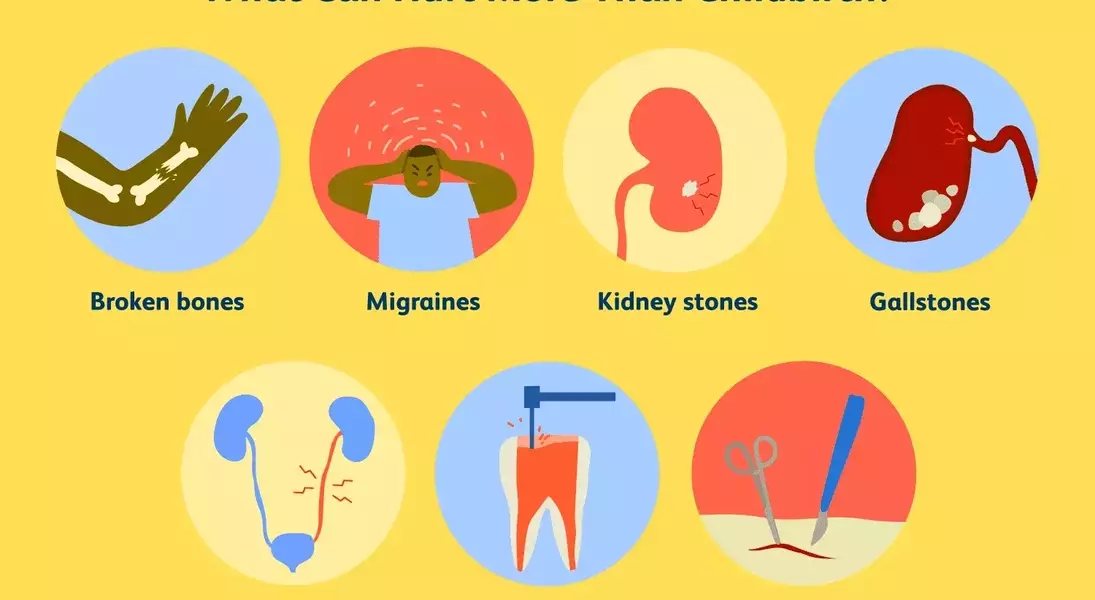
Not all bone breaks are equal, but severe fractures, such as a compound femur fracture, can be incapacitating for extended periods. Beyond requiring extensive casting, these injuries often necessitate surgical intervention involving pins and screws. The location of the fracture and the affected body part's usage significantly impact pain levels. Some individuals who have experienced both major fractures and childbirth note similar pain magnitudes, though personal thresholds differ.
Severe Cephalalgia and Migraines: Debilitating Head Pain
Headaches can extend far beyond a typical ache treatable with over-the-counter medication. Migraines, for instance, are a substantial source of pain, lasting hours or days and accompanied by debilitating symptoms such as nausea, vomiting, light sensitivity, and visual disturbances. Many sufferers require prescription medication for both prevention and treatment. Cluster headaches, considered even more agonizing by some, can manifest as extreme pain around the eye socket, recurring daily, with some comparing the sensation to giving birth through the eye socket, albeit without the joyous outcome.
Renal Calculi: The Agony of Passing Stones
Kidney stones, formed within the urinary tract, must eventually pass. This process involves the stone, either intact or fragmented, exiting the body, often through the urethra. In some cases, surgery is required. Symptoms typically include fever, sweating, chills, back pain, a constant urge to urinate, nausea, and vomiting. Individuals who have endured both kidney stones and childbirth frequently liken the pain of passing a stone to that of labor.
Cholelithiasis: Gallbladder Distress
Gallstones, small formations in the gallbladder, can provoke considerable pain. While diet and medication can help manage them, gallstone attacks can be recurrent or prolonged, often presenting with unremitting pain, nausea, vomiting, back pain, fever, and jaundice. Severe cases may necessitate gallbladder removal surgery. Opinions vary, with some considering gallstone pain worse than childbirth, while others hold the opposite view.
Urinary Tract Infections: Discomfort and Burning
Bladder and urinary tract infections (UTIs) can be intensely painful, sometimes occurring during pregnancy. Common symptoms include burning sensations, frequent urination, back or lower abdominal pain, blood in the urine, and fever. While the pain from these infections is typically not as severe as childbirth, it can offer a point of comparison for individuals.
Endodontic Procedures: The Root of the Pain
Many individuals draw parallels between the pain of childbirth and unmedicated dental work. A root canal, for instance, is an uncomfortable procedure involving drilling into a tooth to remove the nerve. The pain often begins as a severe toothache before the procedure and is alleviated once the nerve is removed, though residual soreness is common. The recovery can impact daily activities for several days, making eating difficult and requiring pain medication.
Surgical Interventions: Post-Operative Discomfort
Surgery is inherently painful, with intensity varying based on the procedure. Cutting and manipulating tissues, muscles, or organs can lead to days or weeks of post-operative pain. For example, heart surgery, which involves cracking the sternum, can result in months of pain and require extensive therapy. The level of pain also depends on the type of surgery, incision location, and individual health. Surgical recovery, in its demanding nature, can be compared to the recovery period following childbirth.
Labor Induction: Intensified Contractions
It is important to acknowledge that induced labor can be significantly more painful than spontaneous labor. This is because medication, such as Pitocin, rapidly initiates contractions, bypassing the body's natural, gradual progression into labor.
Factors Influencing the Experience of Childbirth Pain
Although few experiences truly match labor's intensity, the pain of childbirth should never be underestimated. Several elements can significantly affect discomfort during labor and delivery.
The Role of Anxiety in Labor Pain
Fear and anxiety during childbirth can heighten pain perception. Anxiety often leads to muscle tension and restricted blood flow, while adrenaline release makes relaxation challenging. Employing techniques such as breathing exercises, calming music, soothing scents, or partner massages can help reduce anxiety and promote relaxation throughout the birthing process.
Birthing Positions and Their Impact on Comfort
Certain birthing positions can exacerbate discomfort. Lying on one's back, for example, can cause the baby to press against the spine rather than the pelvis, potentially prolonging labor and increasing pain. Conversely, upright positions like standing or squatting leverage gravity to assist by applying pressure to the cervix and facilitating the baby's descent.
Fetal Positioning During Labor
Ideally, babies are head-down and facing the mother's back during labor, a position that optimizes comfort and efficiency for delivery. However, not all babies rotate completely before labor begins, and their position in the womb can influence pain levels. For instance, a baby positioned head-down but facing the mother's belly (posterior positioning, or "sunny side up") can increase discomfort. Similarly, a breech presentation, where the baby's buttocks or feet are positioned first, may lead to more intense pain.
Effective Strategies for Managing Childbirth Pain
The encouraging news is that numerous techniques are available to help manage labor pain. There is no single "right" or "wrong" approach, only personal choices that best suit the individual. These methods include:
- Distraction techniques
- Epidural anesthesia
- Hypnosis (hypnobirthing)
- Laboring in water (hydrotherapy)
- Intravenous (IV) medications
- Massage, acupressure, and therapeutic touch
- Movement and position changes
- Relaxation or meditation practices
- Deep breathing exercises
- Aromatherapy
- Hot or cold therapy applications
It is beneficial to learn these valuable pain-coping techniques during childbirth classes. Consistent exercise throughout pregnancy can also help prepare the body for the physical demands of labor and delivery.
