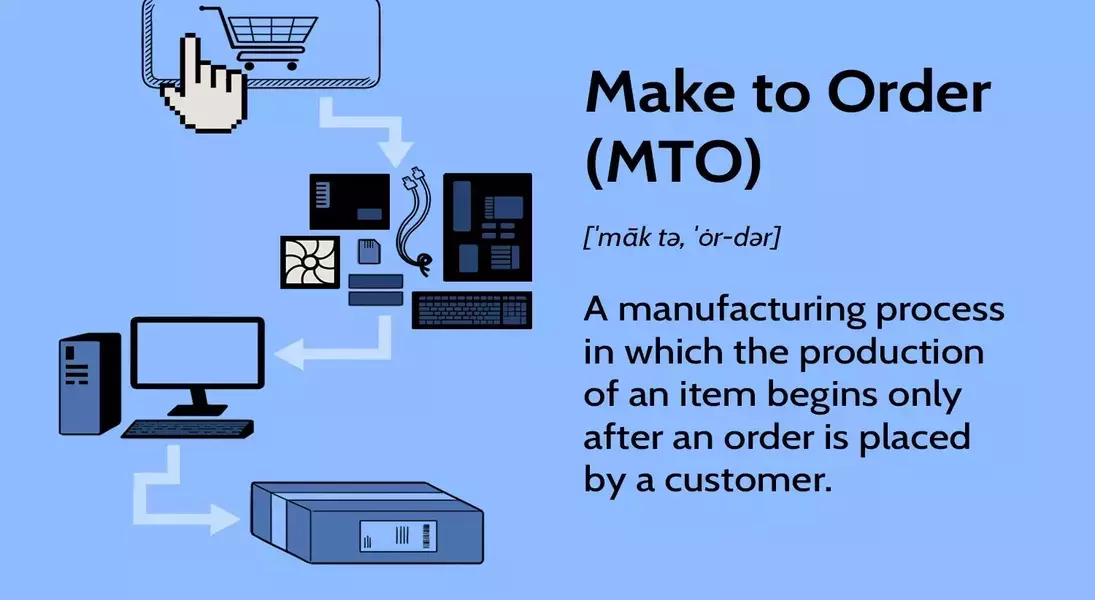
Make-to-order (MTO) production represents a manufacturing paradigm where items are created exclusively upon the receipt of a verified customer request. This methodology stands in contrast to conventional production models by deliberately avoiding the pre-production of goods, thereby ensuring that output directly aligns with consumer specifications. This approach is prevalent in sectors demanding high degrees of personalization and precision, such as the aerospace and automotive industries.
The operational framework of MTO involves a precise sequence of steps: a customer initiates an order, which then generates a sales record. Upon confirmation, a work order is issued, and the manufacturing process commences. Finally, the finished product is dispatched directly to the customer. This 'pull-through' system minimizes the risk of accumulating unsold inventory, a common challenge in 'make-to-stock' (MTS) models where goods are produced based on demand forecasts. While MTS aims for immediate availability, it often struggles with inaccurate predictions, leading to surplus stock or shortages. In contrast, MTO, alongside 'assemble-to-order' (ATO)—where pre-manufactured components are assembled post-order—prioritizes meeting exact customer needs, though it generally entails longer delivery times and potentially higher costs due to individualized production.
Implementing an MTO strategy requires businesses to effectively market their customization capabilities, streamline the order intake process, maintain transparent communication with customers regarding production timelines, and efficiently manage the delivery of bespoke products. This strategy is particularly effective for industries dealing in high-value, customizable items like aircraft, bespoke furniture, specialized computers, and real estate development. The inherent benefits include heightened customer loyalty, reduced waste, and enhanced operational efficiency, as resources are only expended on confirmed sales. However, companies must weigh these advantages against the increased lead times and potential for higher consumer costs associated with custom fabrication, ensuring that the strategy aligns with both product type and market demand for optimal success.
