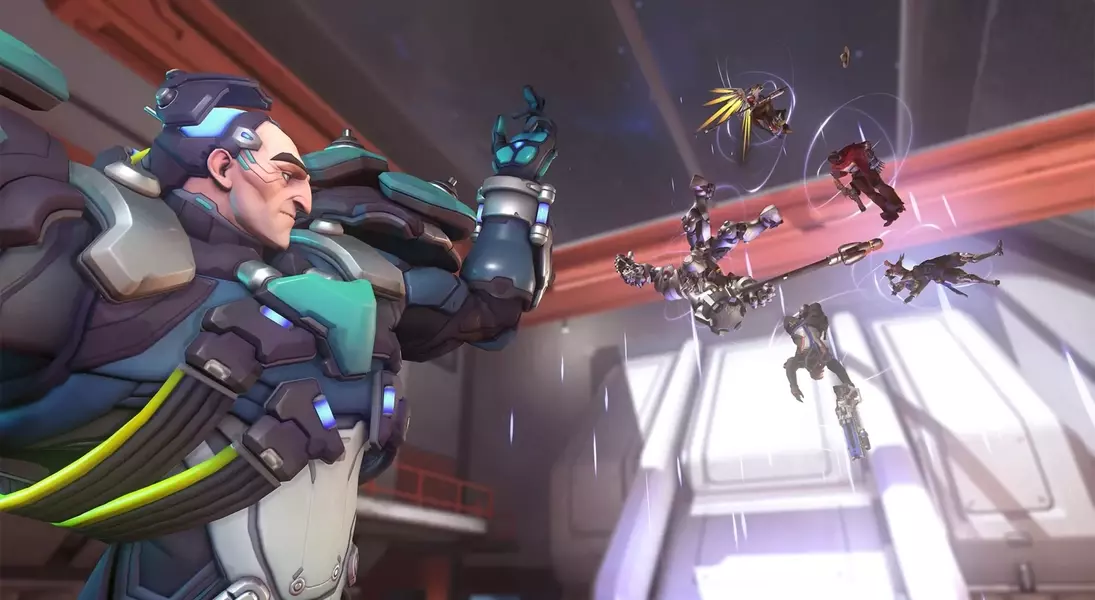


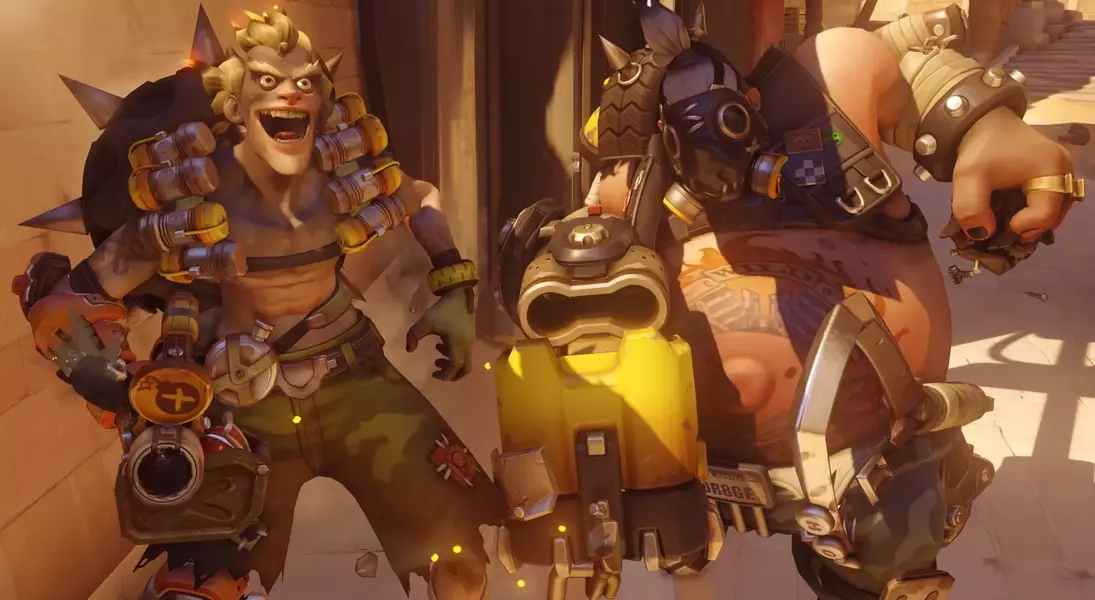
In the fiercely competitive realm of live service games, few titles have demonstrated the sustained success of Overwatch. Ten years after its launch, the game continues to captivate its audience, maintaining and even growing its player base. Aaron Keller, the game director for Overwatch, notes the intense competition among live service shooters, acknowledging that Overwatch operates in a space alongside some of the world's most popular games.
Achieving and sustaining a thriving live service game is a coveted goal in the industry. Publishers often attempt to replicate this success, sometimes resulting in numerous project cancellations, as seen with Sony's recent withdrawal of several planned live service titles. Even games that initially attract a large following, like Arc Raiders, can struggle to maintain their momentum. Yet, Overwatch has managed to thrive, a testament to its developers' strategic approach. Alec Dawson, associate game director, explains that there isn't a magical formula, but rather a consistent dedication to making sound decisions daily and a willingness to innovate and experiment. He also emphasizes that the journey doesn't end with a successful launch; it's merely the beginning of a marathon to keep players engaged over many years.
The developers understand that players have limited time and financial resources, and with an abundance of gaming options, a game must deliver precisely what its audience desires. Overwatch achieves this by striking a unique balance between novelty, variety, and a robust competitive framework. While other games may focus solely on constant new content or pure competition, Overwatch skillfully merges these elements. The game aims to provide an experience where players can constantly learn and improve, fostering a sense of progression and achievement. This philosophy is encapsulated in Blizzard's design principle, 'control is king,' which ensures players feel empowered and impactful in their gameplay. The success of new characters, such as Doctrine, exemplifies this principle, offering both accessible mechanics and opportunities for high-skill mastery, making each interaction feel rewarding and visceral. This ongoing commitment to creating unique and engaging hero archetypes ensures that even after 54 characters, Overwatch continues to offer fresh and exciting experiences for its dedicated community.
The longevity of Overwatch is a powerful illustration of thoughtful game development, where a deep understanding of player psychology and a commitment to continuous refinement lead to lasting engagement. It teaches us that true success in creative fields often stems not from a singular stroke of genius, but from persistent effort, adaptability, and an unwavering focus on the audience's evolving desires. By empowering players and providing a platform for growth, games like Overwatch foster vibrant communities and offer enduring, positive experiences that transcend fleeting trends.