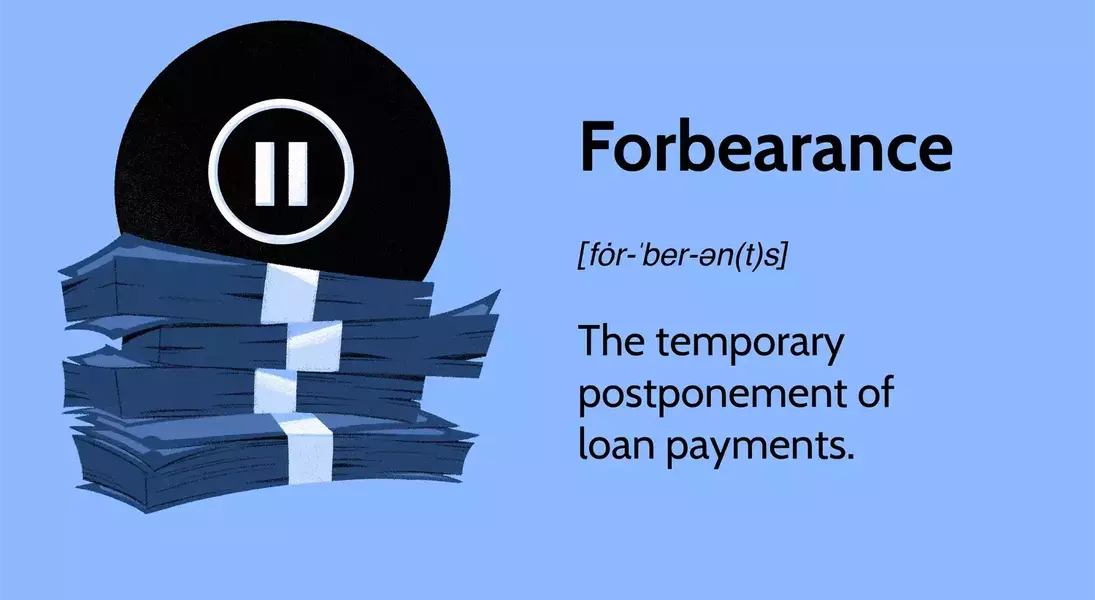
Loan forbearance is a financial arrangement where a lender temporarily allows a borrower to reduce or postpone loan payments. This measure is commonly applied to mortgages and student loans, offering a crucial lifeline to individuals experiencing financial hardship. It serves as an alternative to more drastic actions like foreclosure or loan default, which can be detrimental to both borrowers and lenders.
The mechanics of forbearance involve a negotiated agreement between the borrower and the lender. Eligibility often hinges on demonstrating a genuine financial struggle, such as job loss or severe illness. Lenders, including mortgage providers and student loan servicers, are incentivized to offer forbearance because it can mitigate their losses associated with loan defaults and property repossessions. Under forbearance, payment adjustments can range from a complete suspension of payments to reduced principal or interest payments, or even interest-only payments. However, it's critical to understand that forbearance is a temporary solution; the borrower remains responsible for the full loan amount, including any accrued interest or deferred payments, once the forbearance period concludes.
Government initiatives, such as the CARES Act enacted during the COVID-19 pandemic, have historically mandated forbearance options for federal student loans and federally backed mortgages, providing widespread relief during times of crisis. While some programs, like the SAVE plan for student loans, aimed to offer more flexible repayment options, their implementation can be subject to legal challenges, sometimes resulting in temporary forbearance periods. It is essential for borrowers to proactively communicate with their lenders, understand the terms of their forbearance agreement, and plan for repayment once the temporary relief ends to avoid negative impacts on their credit standing.
Forbearance acts as a bridge during difficult financial times, helping individuals maintain their financial stability and avoid the severe consequences of defaulting on their loans. By engaging with lenders, understanding the options, and diligently planning for post-forbearance repayment, borrowers can navigate temporary setbacks and preserve their financial well-being. It underscores the importance of proactive financial management and open communication with financial institutions.
