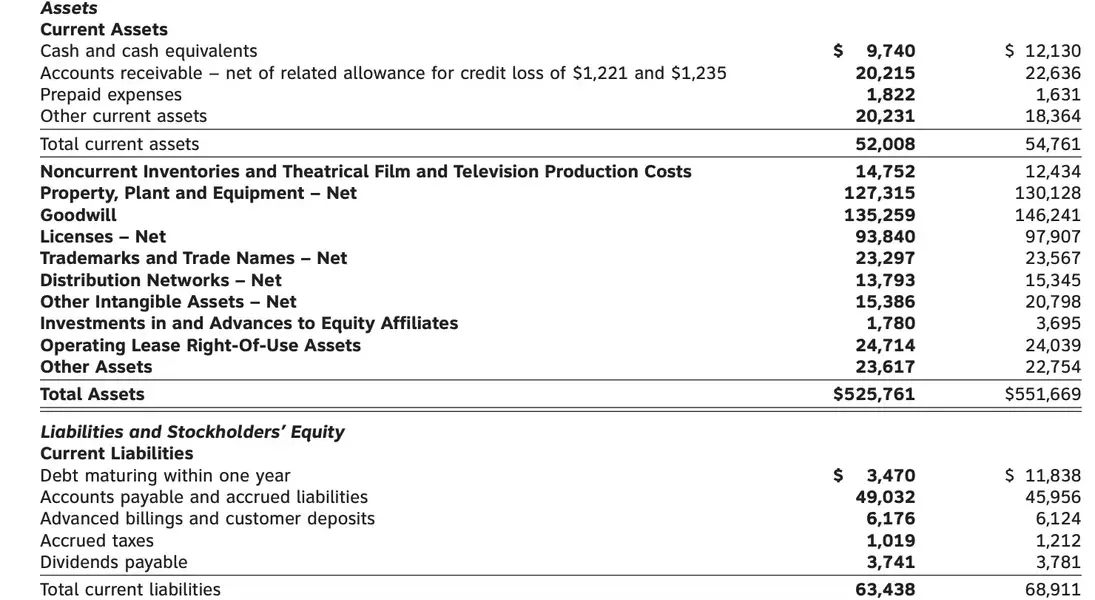
Liabilities represent financial obligations that individuals or organizations must settle with other entities, typically involving future transfers of economic value like money, products, or services. These commitments are vital for grasping financial solvency and are itemized on a balance sheet alongside assets. Categorized into short-term (due within a year) and long-term (due beyond a year) obligations, each plays a distinct role in an entity's financial framework. Effective management of these liabilities, such as borrowed funds or accounts payable, is essential for maintaining smooth operations and fostering expansion.
A liability is fundamentally a debt or obligation owed to another party, often arising from past transactions and necessitating a future payment or provision of services. These financial commitments are documented on the right side of a balance sheet and include various forms such as loans, trade payables, mortgages, deferred income, and accrued expenses. In essence, liabilities are the inverse of assets, which represent what an entity owns or is owed.
Liabilities are broadly classified based on their payment timelines. Short-term liabilities are those expected to be settled within a year, while long-term liabilities extend beyond this period. For instance, while a 15-year mortgage is a long-term liability, the payments scheduled for the current year are considered short-term obligations and are recorded as such on the balance sheet. This distinction is critical for financial analysis, as analysts often prefer companies to cover short-term obligations using readily available cash.
Examples of short-term liabilities commonly include wages payable (employee earnings not yet disbursed), interest payable on short-term credit, dividends declared but not yet paid to shareholders, and unearned revenue (payments received for services or goods yet to be delivered). Other unique short-term liabilities might arise from discontinued operations, accounting for the financial impact of business segments being sold or shut down.
Long-term liabilities, on the other hand, typically include obligations like bonds payable, which can be a significant funding source for large-scale operations. Companies issue bonds as a way to borrow money from investors, which then becomes a long-term liability. Other long-term commitments can include warranty liabilities (estimated costs for future product repairs), contingent liabilities (potential obligations dependent on uncertain future events like lawsuits), deferred credits, and post-employment benefits such as pensions or healthcare for retirees. These long-term obligations require careful financial planning, with analysts looking for assurance that they can be covered by future earnings or additional financing.
The relationship between assets and liabilities is foundational to accounting, expressed by the accounting equation: Assets = Liabilities + Equity. Assets represent everything a company owns, from physical property to intellectual property and receivables. Equity, or owner's equity, is the residual value after subtracting liabilities from assets. Unlike expenses, which are operational costs incurred to generate revenue and appear on the income statement, liabilities are debts on the balance sheet. While an expense represents a cost, a liability is an obligation to pay that cost in the future, and delayed payment of an expense can transform it into a liability.
Liabilities are essential components of an entity's financial framework, representing what is owed to external parties. These obligations, whether financial or legal, are crucial for gauging financial health and are documented on the balance sheet alongside assets. Separated into current (due within a year) and non-current (due over a year), they each fulfill distinct roles in an organization's financial strategy. Diligent management of liabilities, such as loans and accounts payable, is key to operational fluidity and fostering expansion. Ultimately, assessing liabilities against assets provides a clear picture of financial stability and overall net worth.
