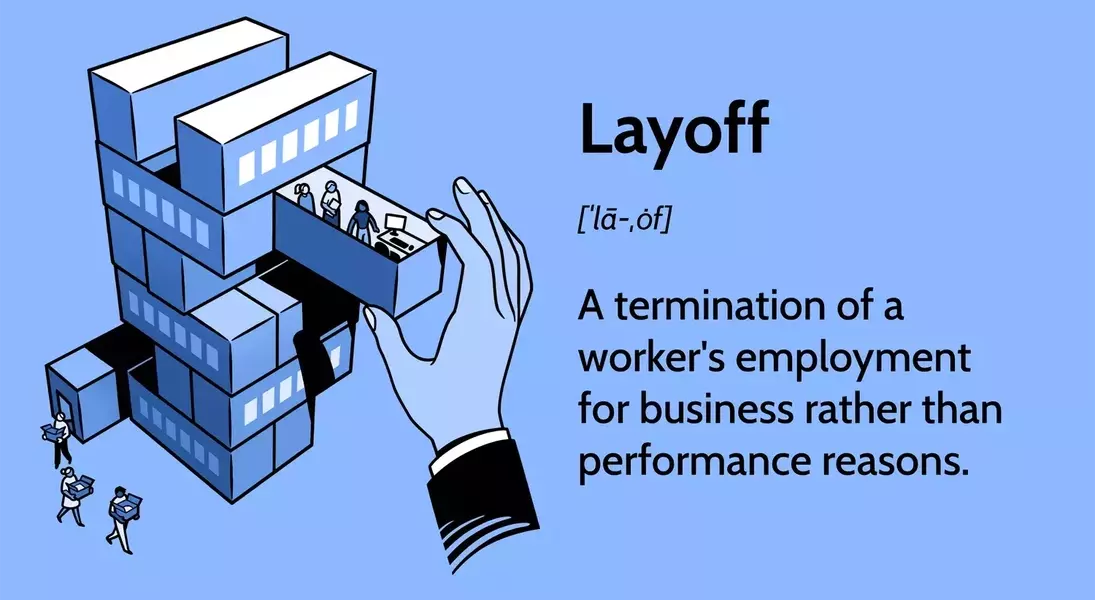
Workforce reductions, commonly known as layoffs, are involuntary job terminations initiated by employers due to operational needs or adverse economic conditions. These actions often serve as cost-cutting measures, and they have far-reaching implications for both the affected individuals and the broader economic landscape. Understanding the distinctions between layoffs, furloughs, and firings is crucial, as each carries different consequences for employee benefits and future employment prospects. Moreover, the psychological and financial toll on employees, coupled with the ripple effects on communities and the economy, underscores the multifaceted nature of these business decisions.
A layoff signifies an employer's decision to reduce its staff, typically driven by business needs rather than an employee's performance. This differs significantly from a firing, where an employee is terminated for specific reasons such as poor performance or misconduct. In contrast, a furlough represents a temporary suspension of employment, often with the expectation of returning to work, and employees typically retain their benefits. When laid off, individuals are generally eligible for unemployment benefits, which are not usually available to those fired for cause. Some companies may also offer severance packages, often calculated based on an employee's tenure, to provide financial support during the transition.
Layoffs are frequently implemented in response to a company's financial struggles, shifts in strategic direction, or the integration of operations following a merger or acquisition. These events can lead to the elimination of redundant roles or departments. While terms like "downsizing" or "rightsizing" are often used to describe these workforce reductions, the underlying reality for affected employees remains a loss of income and career disruption. To mitigate the impact of mandatory layoffs, some employers may offer voluntary buyout programs or early retirement incentives, providing employees with a choice and some financial security as they depart the company.
The COVID-19 pandemic serves as a poignant illustration of widespread layoffs. In April 2020, U.S. employers shed over 20 million jobs as travel ceased, restaurants closed, and various service industries ground to a halt. In response, the U.S. government introduced programs like the Paycheck Protection Program, offering loans to businesses to cover payroll costs, aiming to keep employees on staff during the crisis. These measures highlighted the critical role of government support in cushioning the economic shock of mass job losses.
The effects of layoffs extend beyond the individual. They can create stress and anxiety among remaining employees, impacting morale and productivity. Communities heavily reliant on a single employer or industry may experience significant economic downturns following large-scale job cuts. From a broader economic perspective, layoff statistics contribute to key indicators such as nonfarm payrolls and the unemployment rate, providing insights into labor market health. Furthermore, some experts argue that mass layoffs, particularly in thriving sectors, may not always yield the desired financial benefits for companies and can even lead to long-term costs that outweigh short-term savings.
When faced with a layoff, immediate actions should include reviewing any offered severance package, which may detail severance pay, health benefits, and other forms of support. Employees should be aware of programs like COBRA for continued health coverage, though it often comes at a higher cost than employer-subsidized plans. Exploring options through the Affordable Care Act may provide more affordable alternatives. Filing for unemployment insurance as soon as possible is also critical, as eligibility requirements vary by state. For those with retirement savings plans like a 401(k), understanding the options for transferring or rolling over funds is essential to avoid potential tax implications. In the context of mergers, layoffs typically target redundant positions across combined departments, causing anxiety among all employees due to the inherent uncertainty.
