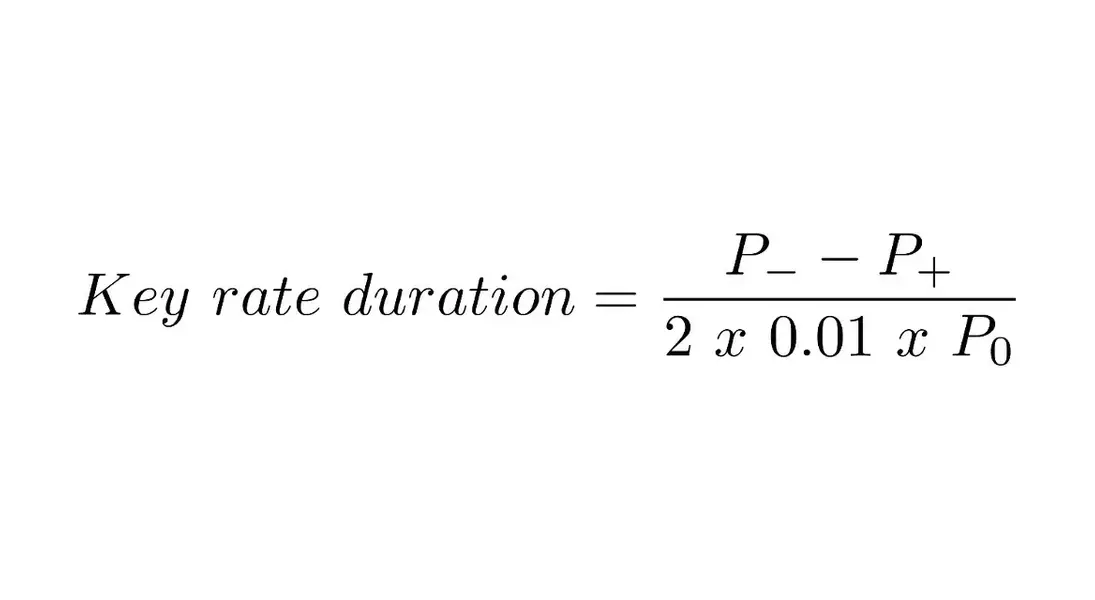
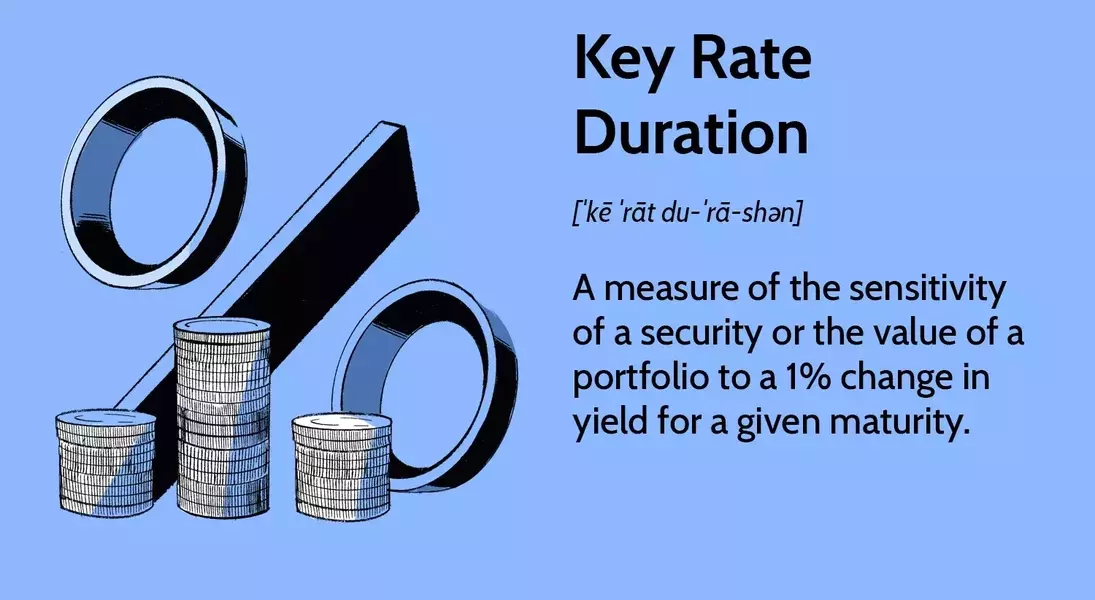
Key rate duration serves as a vital tool for evaluating the sensitivity of a bond's price to fluctuations in interest rates, particularly when these shifts occur unevenly across different maturities along the yield curve. This metric moves beyond the simpler assumption of parallel yield curve movements, offering a more precise understanding of how specific points on the curve impact bond valuations. Its utility lies in providing insights into bond and portfolio behavior during non-parallel yield curve changes, a common occurrence in financial markets.
By applying key rate duration, investors gain a sophisticated method for dissecting the interest rate risk inherent in their bond portfolios. It enables a detailed examination of how changes at particular maturities, rather than a broad market shift, might influence a bond's value. This nuanced approach supports more informed decision-making in managing fixed-income investments, allowing for targeted strategies to mitigate risk and optimize returns in an environment of evolving interest rate structures.
The Essence of Key Rate Duration: Unpacking Bond Sensitivity
Key rate duration is a sophisticated financial measure designed to reveal how the price of a bond, or an entire bond portfolio, reacts to shifts at precise points along the yield curve. This metric stands in contrast to the more generalized concept of effective duration, which traditionally presumes that the entire yield curve moves in a uniform, parallel fashion. However, real-world financial markets rarely exhibit such perfect symmetry. Instead, different maturities often experience varying degrees of interest rate changes. Key rate duration offers a granular view, allowing investors to understand price fluctuations resulting from these non-parallel shifts, providing a more realistic assessment of interest rate risk. By quantifying this sensitivity at specific maturities, it enables a more accurate prediction of how bond values will respond to complex market dynamics.
Understanding key rate duration is paramount for bond investors and portfolio managers operating in dynamic interest rate environments. It provides the analytical depth required to navigate situations where short-term, medium-term, or long-term interest rates move independently. The calculation involves observing how a bond's price changes when a specific point on the yield curve, say a 5-year or 10-year maturity, experiences an upward or downward adjustment, while other maturities remain constant. This targeted analysis helps in identifying which segments of the yield curve pose the greatest risk or opportunity for a given bond. Ultimately, by dissecting interest rate risk across the maturity spectrum, key rate duration empowers investors to construct more resilient portfolios and implement precise hedging strategies against specific yield curve movements.
Practical Applications and Strategic Importance
The practical utility of key rate duration extends beyond mere theoretical understanding, offering tangible benefits for fixed-income portfolio management and risk assessment. Given that actual yield curve movements are seldom perfectly parallel, relying solely on effective duration can lead to misjudgments of interest rate exposure. Key rate duration addresses this by allowing for the decomposition of a bond's or portfolio's sensitivity across various maturity buckets. This segmented analysis helps investors pinpoint vulnerabilities and opportunities that might otherwise be overlooked, facilitating more precise adjustments to portfolio holdings in response to anticipated or observed non-parallel yield curve changes.
Moreover, key rate duration plays a crucial role in enhancing the effectiveness of hedging strategies and informing investment decisions. For instance, by comparing the key rate durations of different bonds, a portfolio manager can discern which securities are more sensitive to short-term versus long-term rate fluctuations. This comparative insight allows for the strategic selection of bonds that align with specific market outlooks or for implementing targeted hedges against particular segments of the yield curve. When integrated with other duration measures, such as effective duration—where the sum of individual key rate durations for a portfolio typically approximates its effective duration—it provides a comprehensive framework for managing bond investments, enabling sophisticated risk management and the optimization of returns amidst evolving market conditions.
