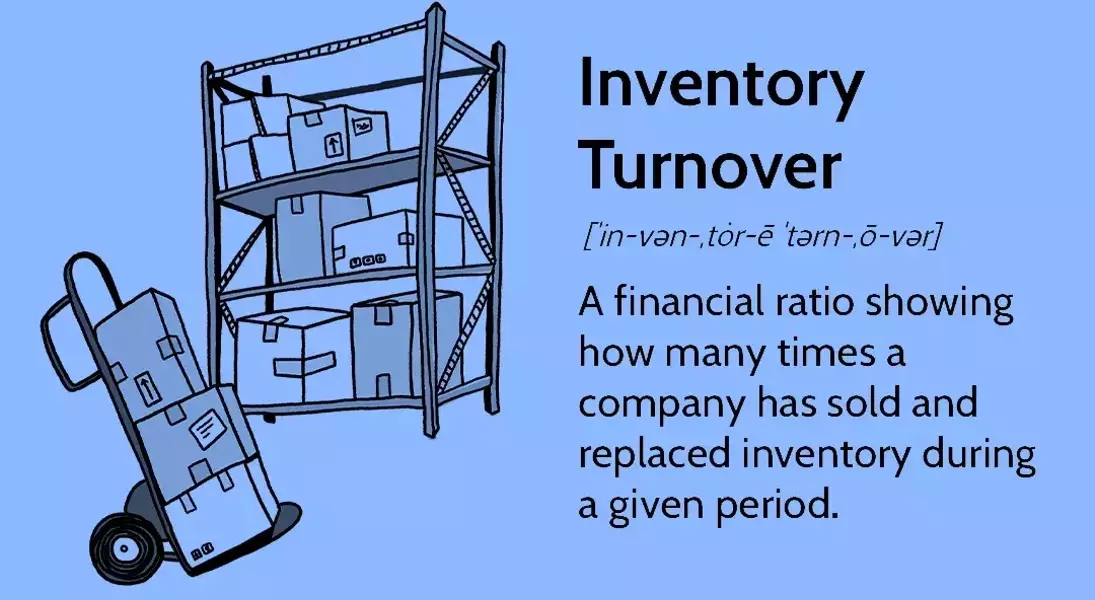
Understanding how efficiently a company manages its inventory is crucial for assessing its overall operational health. The inventory turnover ratio serves as a vital financial indicator, revealing the frequency with which a company successfully sells and replenishes its stock within a defined timeframe, typically a fiscal year. This metric is a cornerstone of effective inventory management, providing insights into both sales performance and procurement strategies. A strong turnover ratio generally signals robust sales activity or astute purchasing decisions, reflecting a company's ability to move products swiftly. Conversely, a low turnover ratio can be a red flag, potentially indicating an oversupply of goods, sluggish consumer demand, or inefficiencies in the purchasing process.
The computation of the inventory turnover ratio involves a straightforward formula: dividing the cost of goods sold (COGS) by the average value of inventory. It's important to use COGS rather than sales revenue in this calculation, as COGS values inventory at its cost, whereas sales figures incorporate a company's markup. The average inventory value, derived from summing the inventory values at the beginning and end of a period and dividing by two, helps to mitigate the impact of seasonal fluctuations. This comprehensive approach ensures a more accurate reflection of inventory movement. While a high turnover ratio is often desirable, it's essential to consider industry benchmarks and historical data for a meaningful interpretation. For instance, industries dealing with perishable or time-sensitive products, such as fashion or groceries, naturally aim for higher turnover rates to prevent obsolescence and maximize profitability. Conversely, an unusually high turnover might sometimes suggest insufficient stock, potentially leading to missed sales opportunities.
Analyzing the inventory turnover ratio, alongside other related metrics like days sales of inventory (DSI), offers a holistic view of a company's inventory management prowess. While limitations exist, such as variations across industries, seasonal demand shifts, and the overlooked costs associated with maintaining minimal inventory, the ratio remains an indispensable tool. A balanced inventory turnover frees up capital, reduces storage expenses, and ensures that customer demand is consistently met. By tracking this ratio diligently and comparing it against industry averages, businesses and investors can gain profound insights into a company's sales dynamism, purchasing effectiveness, and potential operational challenges like overstocking. Ultimately, a keen understanding of inventory turnover empowers stakeholders to make informed decisions that drive sustainable growth and profitability.
