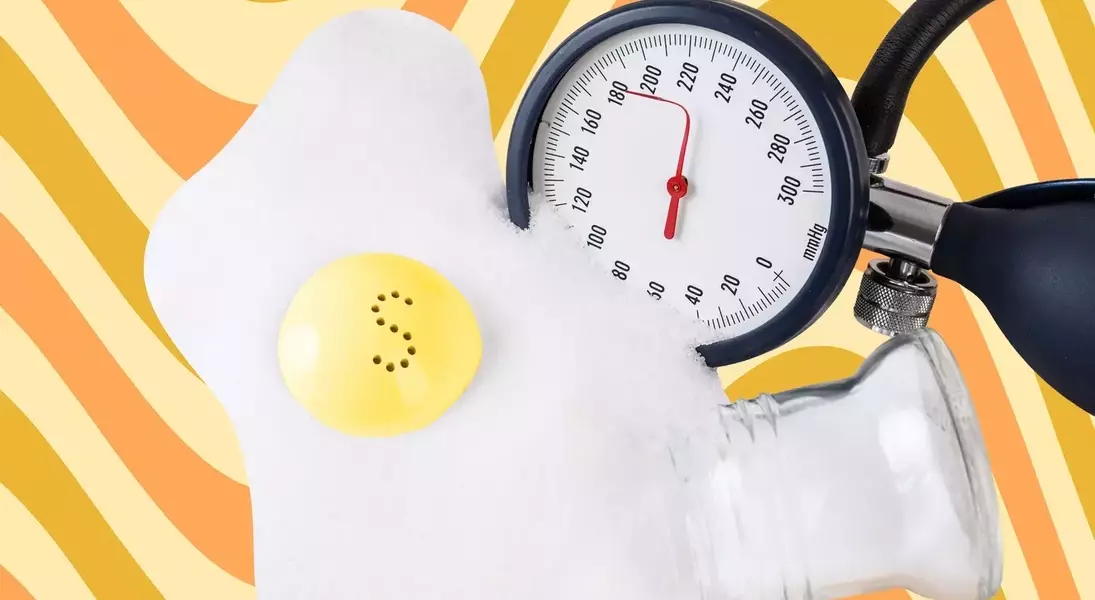
Sodium, an indispensable mineral in our daily diet, plays a crucial role in numerous bodily functions, including fluid balance, nerve impulse transmission, and muscle contraction. However, its widespread presence in processed foods often leads to overconsumption, posing significant health risks, particularly for cardiovascular well-being. This article explores the delicate balance of sodium intake, its physiological effects, and actionable steps to maintain a heart-healthy diet.
While salt is a fundamental ingredient that enhances food flavor and acts as a preservative, a majority of the population exceeds the recommended daily intake. This excessive consumption can lead to elevated blood pressure, placing undue strain on the heart and blood vessels, thereby increasing the likelihood of developing serious conditions like heart disease and stroke. Understanding optimal sodium levels and implementing practical dietary adjustments are key to mitigating these health risks and promoting overall cardiovascular health.
The Physiological Link Between Sodium and Blood Pressure
Sodium, a vital electrolyte, is essential for regulating the body's fluid balance, facilitating nerve signals, and enabling muscle function, including the rhythmic beating of the heart. Recent research further suggests its involvement in metabolic processes and energy equilibrium. Achieving the right amount of sodium is crucial; too little can cause low blood pressure, manifested by lightheadedness or dizziness, though this is less common than issues arising from excessive intake. However, consuming too much sodium leads the body to retain excess water, which subsequently increases blood volume and arterial pressure. This effect is akin to intensifying the flow through a garden hose, where increased internal pressure places added stress on the circulatory system.
Sustained high blood pressure, known as hypertension, is a significant contributor to severe cardiovascular complications such as heart attacks, strokes, heart failure, and kidney disease. This silent condition can progressively damage the body's vascular network over time. Conversely, insufficient sodium can lead to hypotension, characterized by symptoms like lightheadedness, although this is a far less prevalent concern compared to the widespread issue of hypertension caused by overconsumption. Therefore, maintaining a balanced sodium intake is paramount for cardiovascular health, preventing both the acute and long-term consequences of an imbalanced diet.
Achieving Optimal Sodium Intake and Practical Reduction Strategies
For most healthy adults, the Dietary Guidelines for Americans recommend limiting sodium intake to a maximum of 2,300 milligrams daily, roughly equivalent to one teaspoon of salt. Despite this clear guideline, the average American's daily consumption far surpasses this, typically around 3,300 mg. For individuals managing conditions such as high blood pressure, kidney disease, or type 2 diabetes, a stricter limit of approximately 1,500 mg per day is advised, as this has been shown to significantly improve blood pressure control and reduce cardiovascular risks.
Given that the majority of dietary sodium comes from processed and fast foods rather than the salt shaker itself, several practical approaches can help in moderating intake. Prioritizing home-cooked meals offers direct control over ingredients and seasoning. It is also important to identify and reduce hidden sodium in unexpected sources like breads, cereals, condiments (e.g., ketchup, soy sauce), deli meats, and canned goods. Careful label reading, paying close attention to serving sizes, is crucial for an accurate assessment of sodium content. Flavor enhancement can be achieved through herbs, spices, citrus, and vinegar, rather than relying solely on salt. Opting for no-salt-added canned products or rinsing conventional ones can significantly reduce sodium levels. Incorporating potassium-rich foods like leafy greens, legumes, and fruits helps counteract sodium's effects. Furthermore, staying well-hydrated and engaging in regular physical activity, which aids in sodium excretion through sweat, are also beneficial for maintaining a healthy sodium balance and overall cardiovascular well-being. Regular monitoring of blood pressure and consulting a healthcare provider, especially for those with a family history of hypertension, are vital for early detection and effective management.
