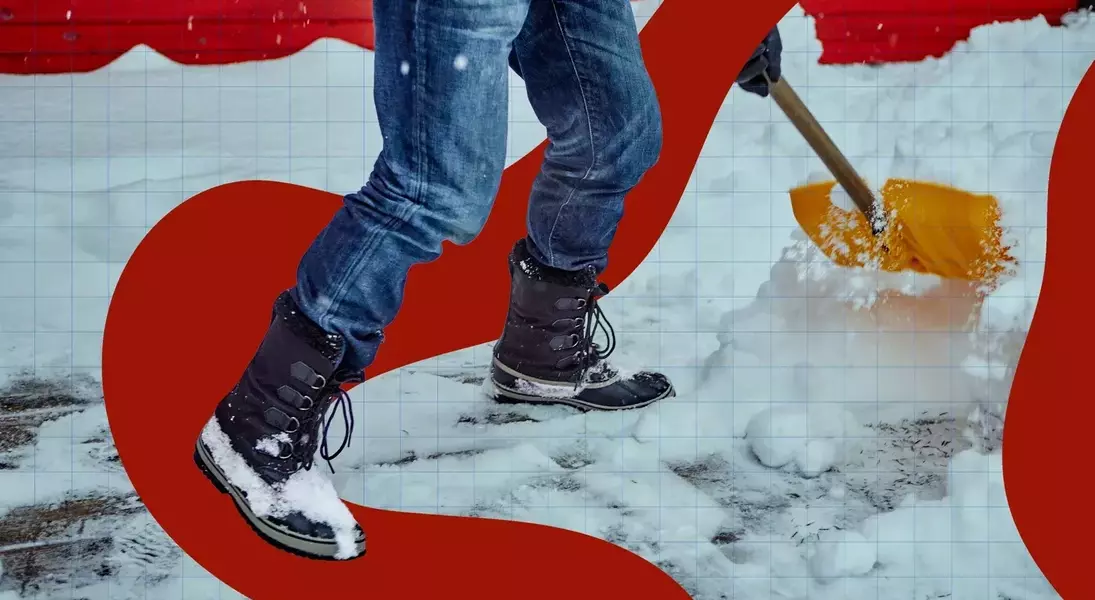
Engaging in physical activity throughout the year is vital for maintaining both physical and mental well-being. While many winter sports and activities offer excellent opportunities for exercise, certain cold-weather tasks, such as shoveling snow, pose a notable risk to cardiovascular health. This is especially true for individuals with underlying heart conditions or those who lead sedentary lifestyles. The strenuous nature of shoveling, combined with the physiological effects of cold on the body, can significantly increase the likelihood of heart-related emergencies. Consequently, understanding these risks and adopting preventive measures are crucial for ensuring safety during winter.
The act of shoveling snow can exert considerable pressure on the heart, often surpassing the demands of a high-intensity treadmill test. Factors such as cold temperatures cause blood vessels to constrict, leading to elevated blood pressure and a reduced oxygen supply to the heart. Moreover, the unfamiliar and often heavy lifting involved in shoveling can place disproportionate strain on the upper body, further compromising cardiovascular function. Recognizing these dangers and implementing protective strategies, including seeking medical advice, performing warm-up exercises, using correct techniques, taking frequent breaks, and staying hydrated, can transform a potentially hazardous chore into a manageable one, thereby safeguarding heart health during the colder months.
The Cardiovascular Strain of Snow Removal
Shoveling snow, often underestimated as a simple chore, can impose significant stress on the cardiovascular system. Research indicates a notable correlation between heavy snowfall and an increased incidence of heart attacks, with snow shoveling being a major contributing factor. The combined effects of cold weather and intense physical exertion create a challenging environment for the heart. Cold temperatures lead to vasoconstriction, narrowing blood vessels and raising blood pressure, while the strenuous lifting involved in shoveling places an immediate and substantial demand on the heart. For individuals with existing cardiac issues or hypertension, these conditions can be particularly dangerous, potentially leading to angina, arrhythmias, or even myocardial infarction.
This activity can be as taxing as a maximal treadmill test, especially for those who are not regularly active or have undiagnosed coronary artery disease. The intermittent, heavy lifting, often relying more on upper body strength than lower body power, can further exacerbate the strain by impeding blood flow to the lower extremities and elevating blood pressure. Additionally, the cold environment can reduce oxygen supply to the heart and surrounding muscles, a critical concern for those with heart conditions. Studies have also revealed that a mere 1°C drop in temperature can increase cardiovascular-associated mortality by 1.6%, underscoring the importance of mitigating risks associated with cold-weather activities like snow shoveling.
Ensuring Safety While Clearing Snow
To safely engage in snow shoveling, it is imperative to adopt a series of precautions, especially for individuals with heart conditions or those unaccustomed to strenuous physical activity. Before undertaking this demanding task, consulting a healthcare provider for medical clearance is a critical first step. This ensures that any underlying cardiovascular issues are identified and addressed, helping to determine if shoveling is a safe activity for you. Additionally, preparing the body with a thorough warm-up is essential. Engaging in light exercises such as arm and leg swings, body-weight squats, and gentle marching can effectively loosen muscles and increase blood flow, thereby readying the heart and muscles for the exertion ahead.
Strategic planning and proper technique are also key to minimizing strain. When shoveling, it is advisable to move at a moderate pace and lift smaller amounts of snow, utilizing leg and glute muscles rather than solely relying on the upper body. This technique not only reduces the load on the back and arms but also promotes more even blood distribution throughout the body. Taking frequent breaks is crucial to prevent overexertion, particularly when clearing large areas or feeling fatigued. Furthermore, maintaining adequate hydration by drinking fluids before, during, and after the activity is vital, as cold weather can mask thirst and increase the risk of dehydration, adding another layer of stress to the cardiovascular system.
