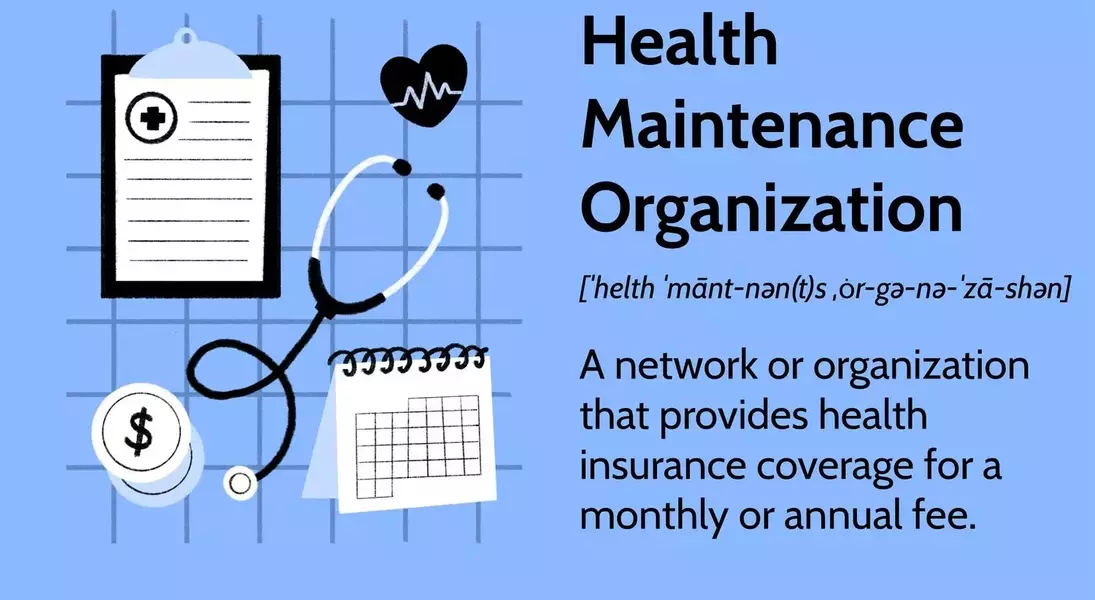
A Health Maintenance Organization (HMO) is a form of health insurance that delivers medical care through an established network of professionals. It offers cost-effective solutions with reduced premiums and out-of-pocket expenses for its members. A fundamental aspect of an HMO plan is the necessity for policyholders to designate a primary care physician (PCP), who acts as a central point for all healthcare needs, including managing referrals to specialists within the network. This integrated care model, focusing on prevention and wellness, helps maintain consistent service standards and potentially higher quality care.
HMOs distinguish themselves from other health plans, such as Preferred Provider Organizations (PPOs) and Point-of-Service (POS) plans, by offering a more structured approach to healthcare. While PPOs offer greater flexibility in choosing providers, including out-of-network options without referrals, they typically come with higher premiums and deductibles. POS plans strike a balance, requiring a PCP and referrals for in-network specialist care, similar to HMOs, but also offering some coverage for out-of-network services at a higher cost. The regulatory landscape for HMOs is a mix of state and federal oversight, with federal laws like the Health Maintenance Organization Act of 1973 and the Affordable Care Act of 2010 playing significant roles in shaping their operations and ensuring access to affordable healthcare.
The choice of an HMO plan involves weighing its advantages and disadvantages. Benefits include lower overall costs, a coordinated care approach led by a PCP, and an emphasis on preventive health, which often leads to better health outcomes. However, the restrictions on provider choice, the need for referrals to see specialists, and strict definitions for emergency coverage can be limitations. Prospective members should carefully evaluate their healthcare needs, preferences for flexibility versus cost savings, and the importance of a coordinated care model before committing to an HMO plan.
Embracing a healthcare plan like an HMO, despite its constraints, empowers individuals to take a proactive role in managing their health. By fostering a strong relationship with a primary care physician and prioritizing preventive services, members can achieve a state of continuous well-being. This model promotes not just the treatment of illness, but a holistic approach to health, encouraging informed decisions and a healthier lifestyle for everyone.
