Understanding a company's financial health begins with a clear grasp of its profitability metrics. The gross profit margin serves as a fundamental indicator, revealing how effectively a business manages the direct costs associated with its production processes to generate revenue. This metric is expressed as a percentage, reflecting the proportion of revenue remaining after accounting for the cost of goods sold (COGS). A higher gross profit margin generally signifies more efficient operations and better control over production expenses.
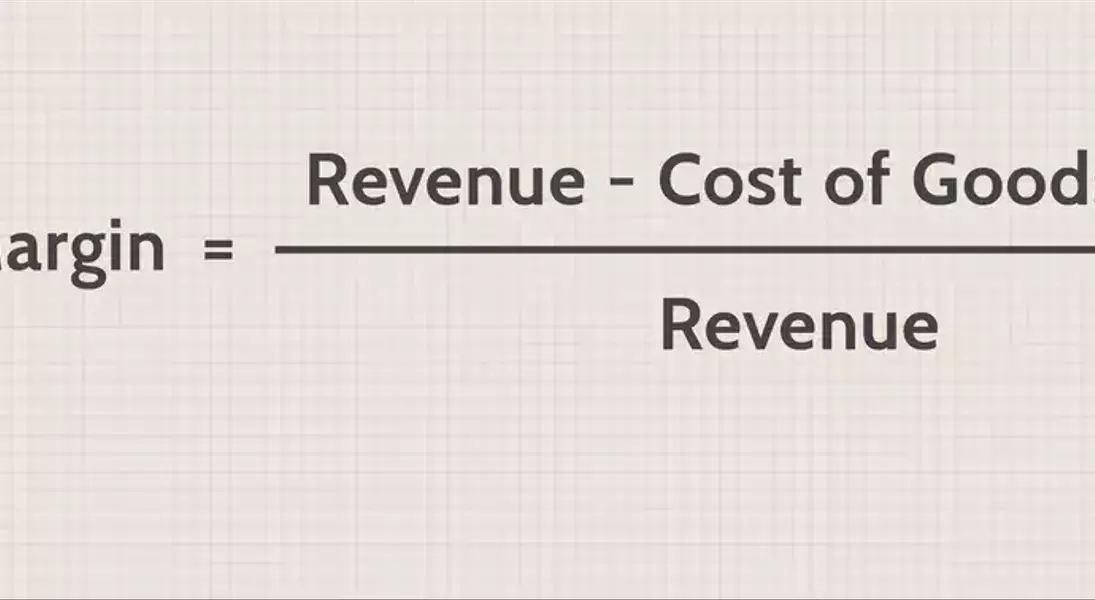
Calculating gross profit involves subtracting the cost of goods sold from the total revenue. This yields a dollar amount representing the profit earned before considering operating expenses. To derive the gross profit margin, this gross profit figure is then divided by the total revenue, providing a percentage that offers insight into a company's pricing strategies and production efficiency. Key elements contributing to the cost of goods sold typically encompass direct materials, direct labor, equipment costs specific to production, utilities for manufacturing facilities, and shipping expenses. Conversely, costs not directly tied to production, such as corporate overhead and certain depreciation expenses not allocated to COGS, are excluded from this calculation, as they fall under operating expenses.
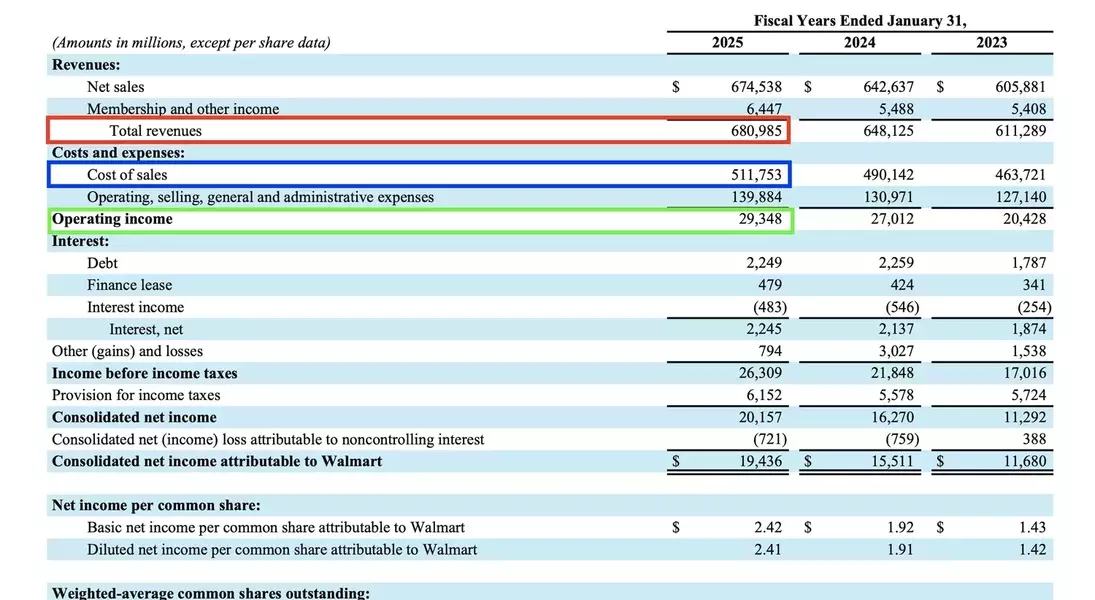
For instance, an analysis of Walmart's income statement reveals the practical application of these principles. With substantial total revenue and a corresponding cost of goods sold, the gross profit margin is derived by subtracting COGS from revenue and then dividing by revenue. This calculation highlights the company's efficiency in managing direct production costs. Non-production expenses, categorized as selling, general, and administrative expenses, are accounted for separately when determining operating income, which provides a broader view of profitability beyond direct production costs.
Understanding gross profit margin is essential for assessing a company's operational efficiency and its ability to generate profit from its core activities. By differentiating between direct and indirect costs, businesses can gain valuable insights into their financial performance and make informed strategic decisions to enhance profitability and ensure sustainable growth. This metric, along with others like operating and net profit margins, paints a comprehensive picture of a company's financial health and its capacity to thrive in a competitive market.
