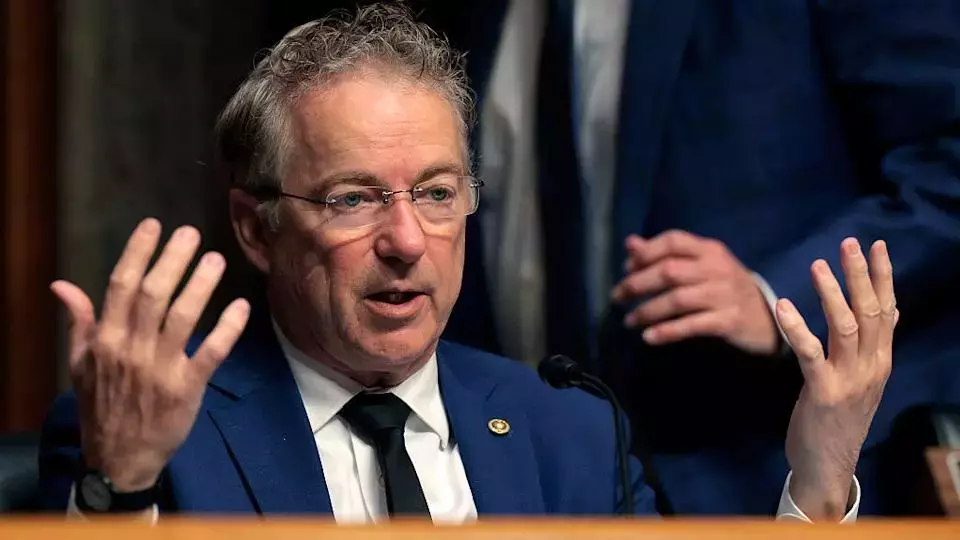
Senator Rand Paul has introduced an engaging 'Real or Fake' quiz designed to illuminate what he perceives as extravagant government expenditures. This interactive tool challenges participants to differentiate between genuine federal grants approved this year and fabricated examples, raising public awareness about the allocation of taxpayer funds. From unique cultural initiatives to unexpected research projects, the quiz draws attention to a wide spectrum of government-funded activities.
While the quiz highlights specific instances of spending, a more profound financial challenge lies in the escalating national debt and its associated interest payments. Paul's 2025 Festivus Report, for instance, details substantial government waste, with a significant portion attributed to the interest accrued on the federal debt. This mirrors a similar predicament faced by American households, which collectively bear trillions in various forms of debt, including mortgages, auto loans, student loans, and credit card balances. The continuous rise in interest rates further exacerbates this financial strain for both the government and individual citizens.
Addressing the issue of mounting debt, both federally and personally, necessitates a proactive approach to financial management. Just as the government is scrutinized for its spending, individuals can benefit from evaluating their own financial habits to identify and eliminate wasteful expenditures. Strategies such as the snowball or avalanche methods for debt repayment, alongside considering balance transfer options or consolidation loans, offer pathways to reduce interest burdens and accelerate debt freedom. Prioritizing timely bill payments, maintaining low credit utilization, and limiting new credit applications are crucial steps in improving credit scores and securing more favorable lending terms, ultimately fostering greater financial stability.
In an era where financial stability is paramount, fostering an understanding of responsible spending and debt management is crucial. By critically assessing expenditures, both public and private, and implementing prudent financial strategies, we can collectively work towards a more secure and prosperous future. Embracing financial literacy and discipline empowers individuals and, by extension, strengthens the broader economy.
