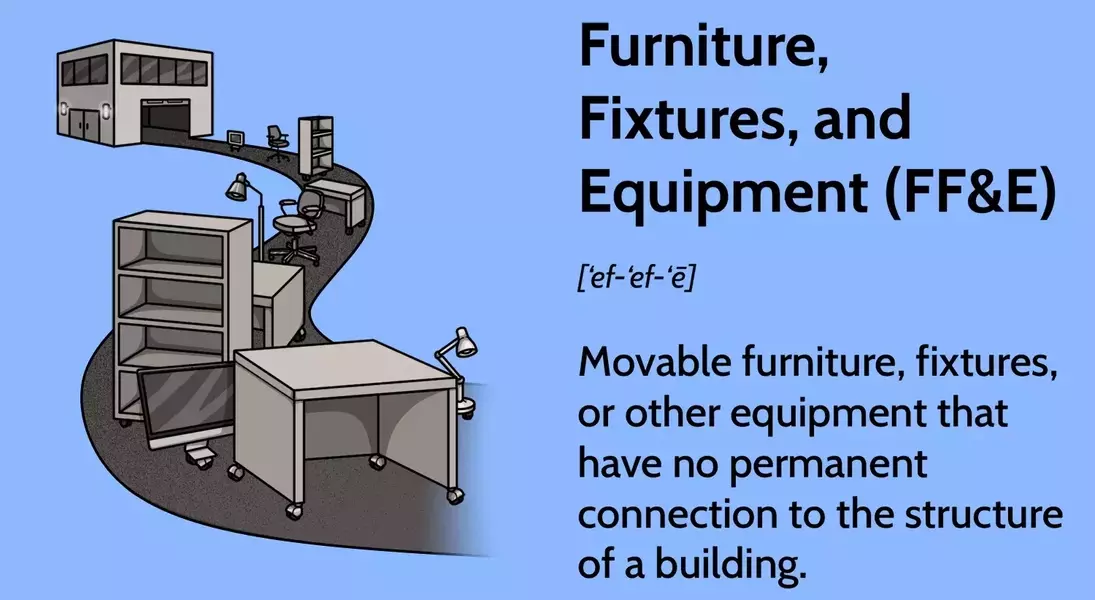
Furniture, Fixtures, and Equipment (FF&E) are fundamental components of any business operation, representing tangible and movable items essential for daily activities. These assets, which range from office furniture like chairs and desks to technological devices such as computers, are distinct from permanent building structures. Their proper classification and management are critical for precise financial valuation and strategic budgeting. This segment delves into the definition and significance of FF&E within the business landscape.
FF&E items are central to the day-to-day functioning of a business, directly supporting operational tasks. For instance, an office administrator relies on a suite of FF&E—including a desk, chair, telephone, computer, and other organizational tools—to execute routine responsibilities. In financial reporting, these assets are meticulously categorized as tangible assets and are presented as separate line items on financial statements. This detailed accounting allows for their integration into project cost calculations, ensuring that overall project expenditures remain within budgetary constraints. Furthermore, FF&E items are subjected to depreciation, a standard accounting practice that spreads their cost over their projected useful life. This process is typically guided by tax regulations, such as those from the IRS, which stipulate varying depreciation periods—for example, five years for computers and seven years for office furniture. Even security equipment, due to its movable nature, often falls under the FF&E classification, highlighting the broad scope of this asset category.
Effectively managing Furniture, Fixtures, and Equipment (FF&E) is vital for sound business management and precise financial planning. These tangible assets, ranging from office desks to electronic devices, are indispensable for daily operations but are not permanently affixed to facilities. Recognized as significant tangible assets, FF&E items substantially contribute to company valuations, particularly in situations requiring liquidation. Accurate accounting of these assets and the systematic spread of their costs over their useful lives, guided by regulatory standards, are imperative for reflecting true depreciation in financial statements. By diligently managing FF&E, businesses can uphold accurate budgets and conduct thorough project cost assessments, thereby fostering informed financial decisions that contribute to sustained growth and stability.
