
The bedrock of economic theory, supply and demand, dictates market dynamics by influencing prices and production. This article elucidates these fundamental principles, detailing how consumer purchasing power and producer incentives interact to establish market balance.
Navigating Market Forces: The Interplay of Supply and Demand
Unpacking Consumer Behavior and Market Demand
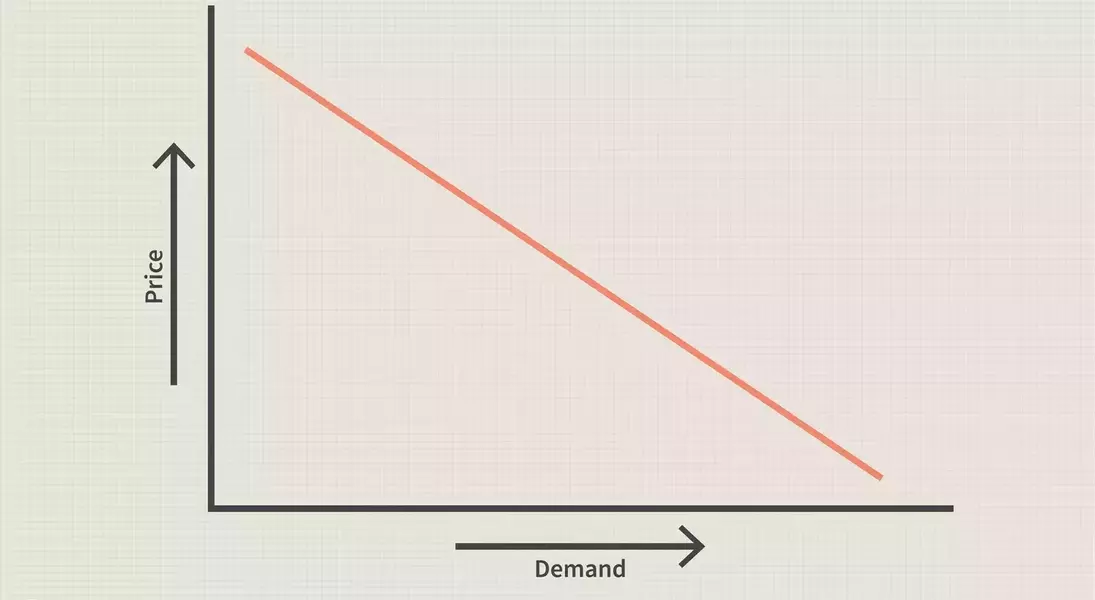
Consumer choices are central to market demand. Typically, as the cost of a product rises, the quantity consumers are willing to purchase tends to fall. This inverse relationship is visually represented by a downward-sloping demand curve, reflecting the consumer's perspective. For example, if a luxury item like a high-end television is exorbitantly priced, only a few might consider buying it, leading to low demand. Conversely, if the price were nominal, demand would likely surge, as consumers might acquire more units than strictly necessary. This scenario assumes a homogenous product, with no direct substitutes, and stable price expectations, where the item isn't a basic necessity.
Exploring Production Dynamics and Market Supply
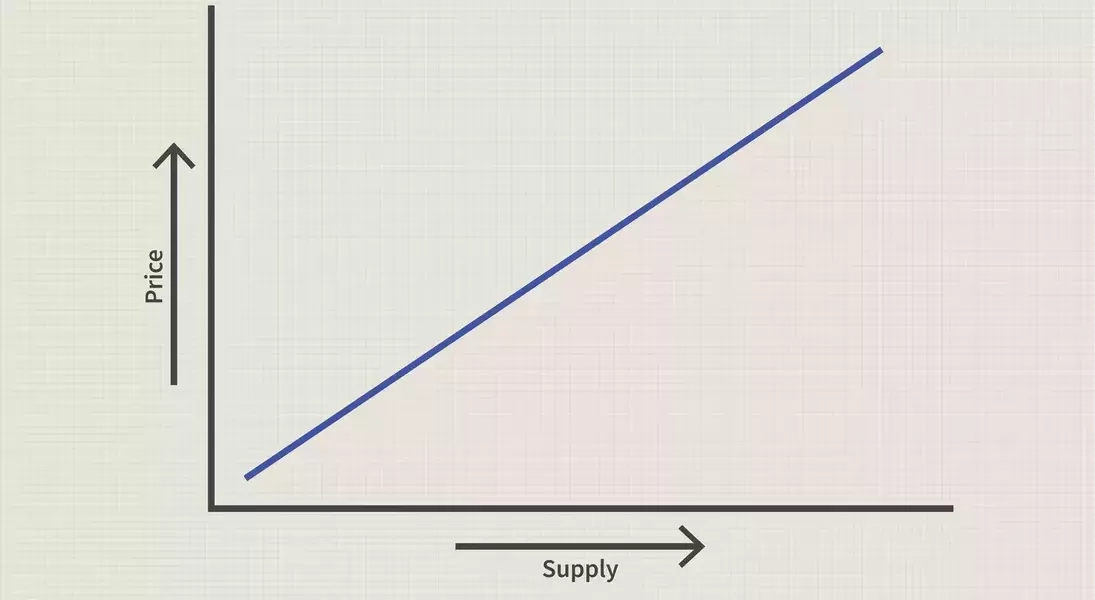
From the producer's viewpoint, the supply curve illustrates the correlation between an item's price and its availability. Manufacturers are motivated to increase production when prices are high, as this promises greater profitability. Conversely, declining prices can discourage production if they fall below the cost of manufacturing, rendering the endeavor unprofitable. This pursuit of maximum profit inherently leads to an upward-sloping supply curve. A critical assumption here is that producers are price-takers, meaning market forces, rather than individual producers, determine the selling price. Producers then decide their output based on these established market prices, a dynamic that can differ significantly in monopolistic markets.
Achieving Market Harmony: The Point of Equilibrium
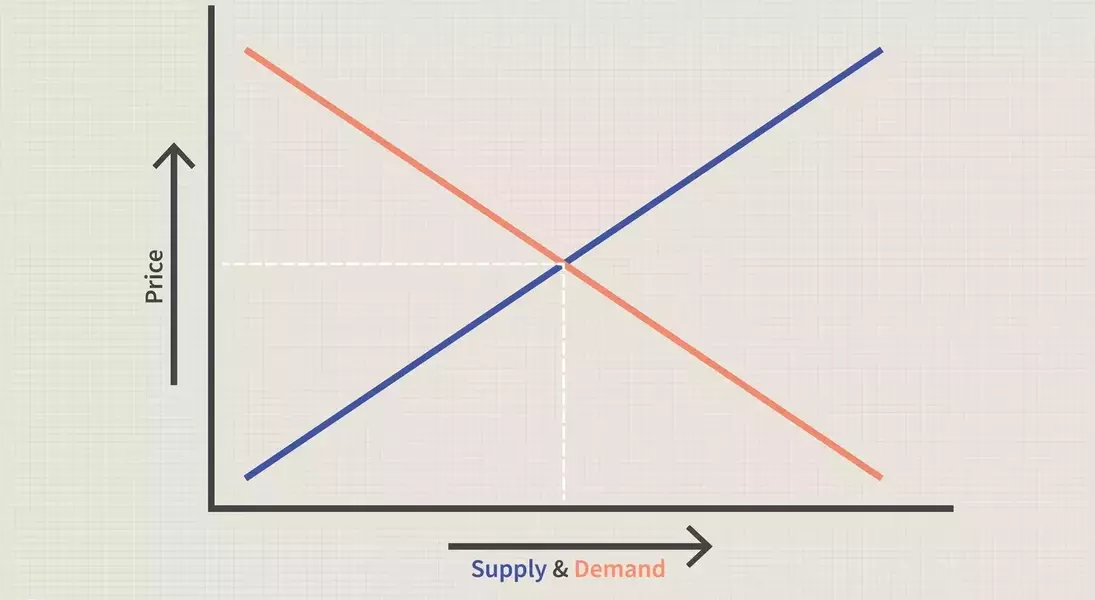
The market thrives on a delicate balance where both consumers and producers find mutual benefit. While consumers naturally seek the lowest prices and producers aim for the highest, extreme pricing can alienate buyers. The optimal interaction, where both parties gain the most collective utility, occurs at the market equilibrium point. This is the intersection where the supply and demand curves meet, signifying a price and quantity at which the amount supplied equals the amount demanded, ensuring continuous market activity.
Economic Systems Where Supply and Demand Principles May Be Less Relevant
In economic systems that deviate from the free market model, such as socialist economies, the conventional laws of supply and demand often have diminished influence. In these contexts, governmental bodies typically dictate commodity prices, irrespective of the underlying supply or demand conditions, thereby overriding natural market mechanisms.
Beyond Supply and Demand: Influential Market Factors
While supply and demand are crucial for shaping market behavior, they do not exclusively determine market conditions. Numerous microeconomic and macroeconomic factors are at play. Adam Smith famously described supply and demand as the "invisible hand" guiding free markets, but they are components within a larger economic framework. These theories extend beyond tangible goods to encompass aspects like wages and labor, and more complex economic models often incorporate concepts such as economic surplus, monetary policy, fiscal stimulation, elasticity, and market shortfalls, offering a more nuanced understanding of economic phenomena.
The Broad Applicability of Supply and Demand in Economics
The theory of supply and demand is not limited to consumer goods but also applies to services, labor, and other economic elements. More advanced economic analyses often adapt these fundamental curves to explore intricate concepts like economic surplus, monetary policy's effects, aggregate supply and demand dynamics, fiscal policy impacts, market elasticity, and resource scarcity, providing deeper insights into economic structures and behaviors.
Concluding Thoughts on Market Forces
Adam Smith's influential work in 1776 laid the groundwork for understanding how supply and demand mechanistically guide market behaviors and price formations. Rising prices typically lead consumers to reduce their purchases, while simultaneously motivating producers to increase output to maximize profits. The dynamic convergence of these forces establishes market equilibrium, a state where the quantity demanded aligns with the quantity supplied. This economic model is particularly effective within free-market systems characterized by minimal external interference. It underscores the perpetual interaction between buyer and seller, which is essential for ongoing economic activity.
