
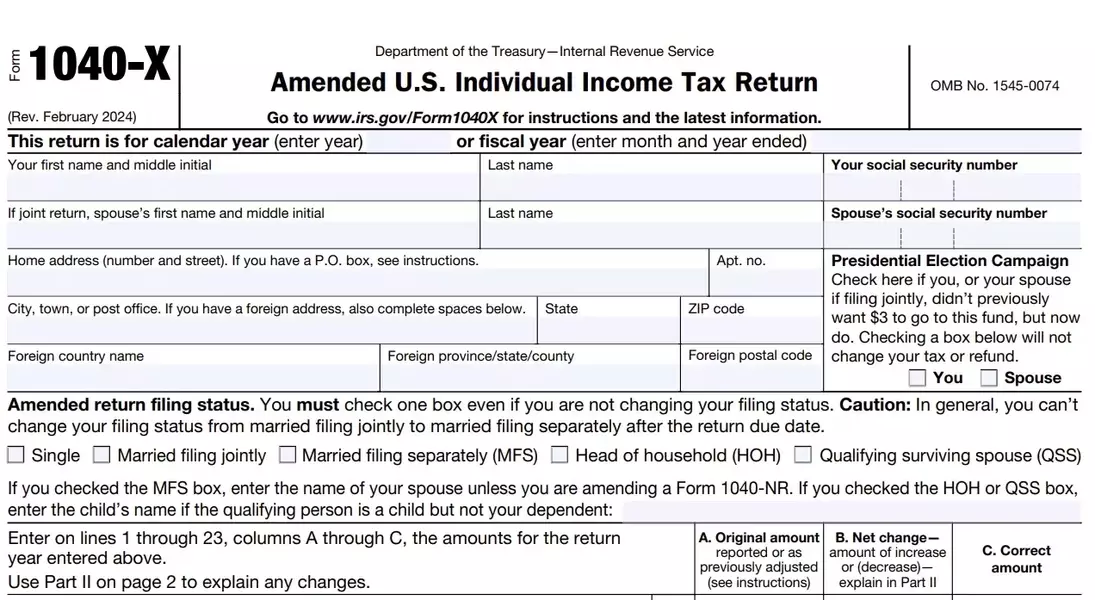
When taxpayers discover discrepancies or omissions in their federal tax submissions, Form 1040-X, known as the Amended U.S. Individual Income Tax Return, serves as the primary instrument for correction. This form addresses various types of errors, from fundamental issues like an incorrect filing status or miscounted dependents to more nuanced oversights such as missed credits or deductions. It's crucial to understand that the Internal Revenue Service (IRS) typically resolves minor mathematical mistakes during its processing, thus reserving the 1040-X for more significant amendments.
The 1040-X form is designed for individuals who have already submitted their annual tax returns (such as Forms 1040, 1040-SR, or 1040-NR) and need to make subsequent changes. Reasons for filing can range from correcting errors in the original return to making elections past their initial deadlines, such as a married couple deciding to change their filing status. It is also used when the IRS has previously adjusted an amount, or to claim a carryback due to losses or unused credits. The entire Form 1040-X, comprising multiple pages detailing various adjustments, is readily accessible on the IRS website.
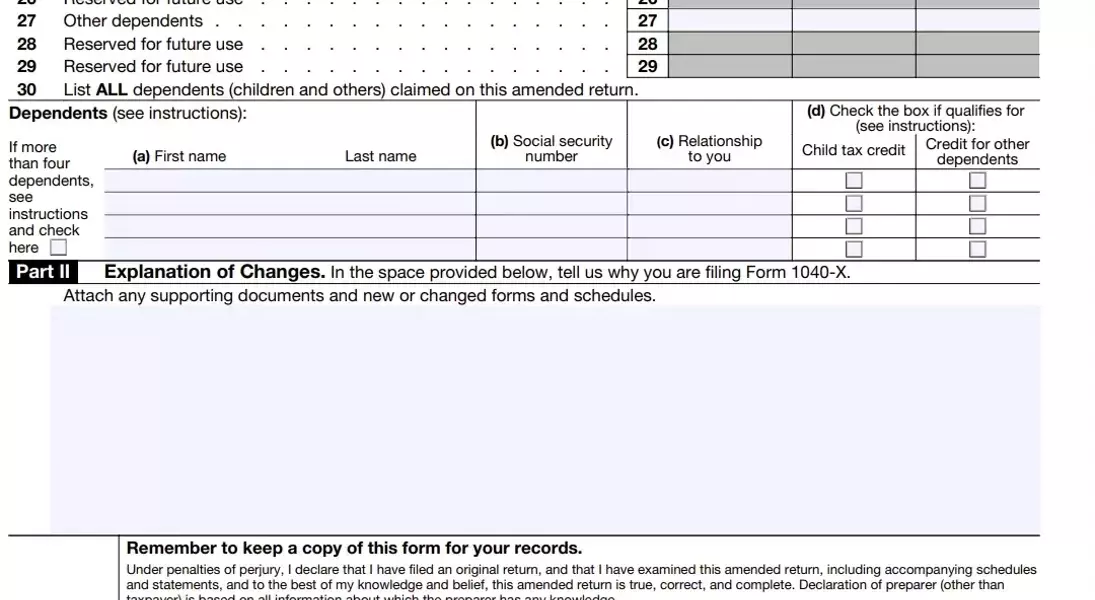
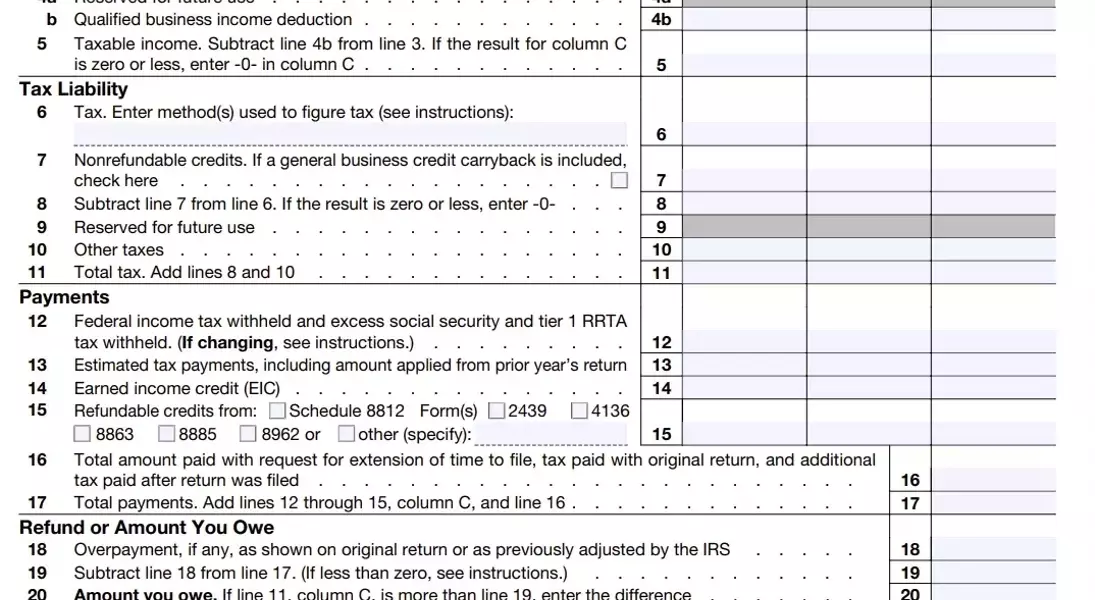
Filing the 1040-X requires a comprehensive approach. Taxpayers must provide a detailed, line-by-line explanation for each adjustment, specifying the nature and amount of the change, along with a concise justification. This amended form must be accompanied by a revised version of the complete original tax return (Form 1040 or 1040-SR), including any relevant attached forms and schedules, even if those specific attachments remain unaltered. The IRS offers the flexibility of e-filing the 1040-X, provided the original return was also e-filed, or mailing a physical copy. For mailed returns, any unsubmitted income-related documents, such as W-2s or 1099s, and all supporting documentation for the amendments should be included.
Timeliness is a key factor when filing Form 1040-X, especially if a refund is anticipated. To be eligible for a refund, the amended return must be submitted within three years of the original filing date or within two years of the date the tax was paid, whichever period is longer. If the original return resulted in a refund, the IRS advises taxpayers to wait until that initial refund is received before submitting the 1040-X. Any additional refund due to the amendment will be processed and issued separately. It's worth noting that returns filed before the official deadline are considered filed on the deadline date, typically April 15. Electronic direct deposit of refunds for e-filed amended returns (for tax year 2021 and later) is now an option, requiring bank account details to be provided on the form. While e-filing is generally faster, processing a mailed 1040-X can take up to 16 weeks, though taxpayers can typically check the status online after about three weeks.
Despite the perceived complexity of amending a tax return, filing Form 1040-X offers several advantages. It allows taxpayers to claim additional tax credits or deductions they might have initially missed, potentially leading to a larger refund. However, it's also possible that an amendment could reveal additional income that was not previously reported. In such cases, the taxpayer's taxable income would increase, potentially resulting in an outstanding balance due, along with any applicable fees and penalties. Therefore, while correcting errors, taxpayers should be prepared for both potential benefits and liabilities.
In essence, the 1040-X serves as a vital tool for ensuring the accuracy and completeness of one's federal income tax obligations. It enables taxpayers to rectify mistakes, claim rightful benefits, and fulfill their reporting responsibilities. Understanding its purpose, filing procedures, and associated timeframes is crucial for effective tax management.
