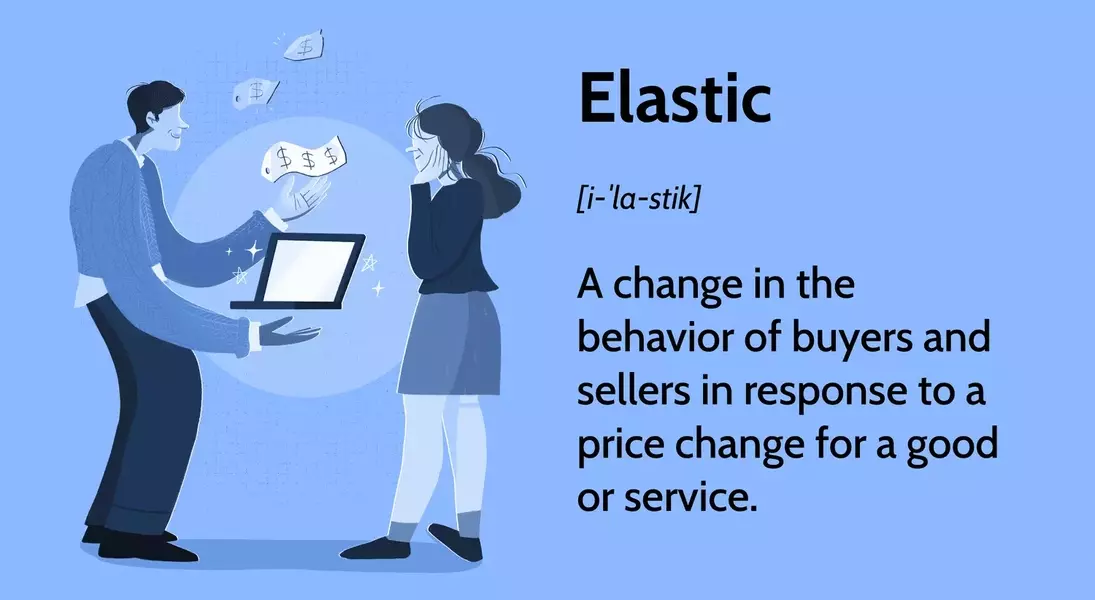
In economics, elasticity serves as a fundamental concept to quantify the responsiveness of one variable to changes in another. This principle is particularly vital for market participants, as it elucidates how alterations in factors like price, income, or related goods affect the demand and supply dynamics of products. Understanding elasticity allows businesses to predict consumer behavior and strategize pricing, while consumers gain insight into market forces that influence availability and cost.
Elasticity is a critical measure that helps explain market reactions to various stimuli. For producers and service providers, it’s a key indicator of how much consumers will purchase when prices fluctuate. Products are considered elastic when price changes lead to significant shifts in the quantity demanded. Conversely, goods with inelastic demand experience minimal changes in consumption, even with notable price variations. An elastic good typically sees a rise in demand when its price drops and a fall in demand when its price increases. This dynamic often plays out in highly competitive sectors where companies operate as price takers, meaning they must accept prevailing market rates. When a product reaches its elasticity point, both buyers and sellers rapidly adjust their behaviors.
This economic concept also offers valuable insights for consumers. If an elastic good’s market price declines, producers may reduce their supply. Conversely, if the price increases, they might boost production. This phenomenon is known as the elasticity of supply and is crucial for consumers who rely on specific products and are concerned about potential shortages. Goods that exhibit elasticity are often those considered non-essential or those with numerous readily available substitutes. For instance, the airline industry is highly elastic due to intense competition; if one airline raises its fares, consumers can easily choose another carrier, leading to a drop in demand for the pricier option.
In contrast, certain products demonstrate inelasticity, meaning their demand remains largely unaffected by price changes. These are typically essential goods or necessities that consumers continue to purchase regardless of cost increases or income reductions. Common examples include basic food items like bread, housing, healthcare services, and fuel. Gasoline, as mentioned, is a prime illustration of an inelastic good because many drivers have no alternative but to buy it, regardless of price fluctuations. Understanding these distinctions is fundamental to grasping market dynamics and making informed economic decisions.
Elasticity, fundamentally, refers to how much one economic factor reacts to another. In the realm of economics, this predominantly relates to demand elasticity, which describes how consumer demand shifts in response to variables such as price and income. The concept of inelasticity stands as its counterpart, where demand for a product or service remains largely stable despite fluctuations in other influencing factors.
