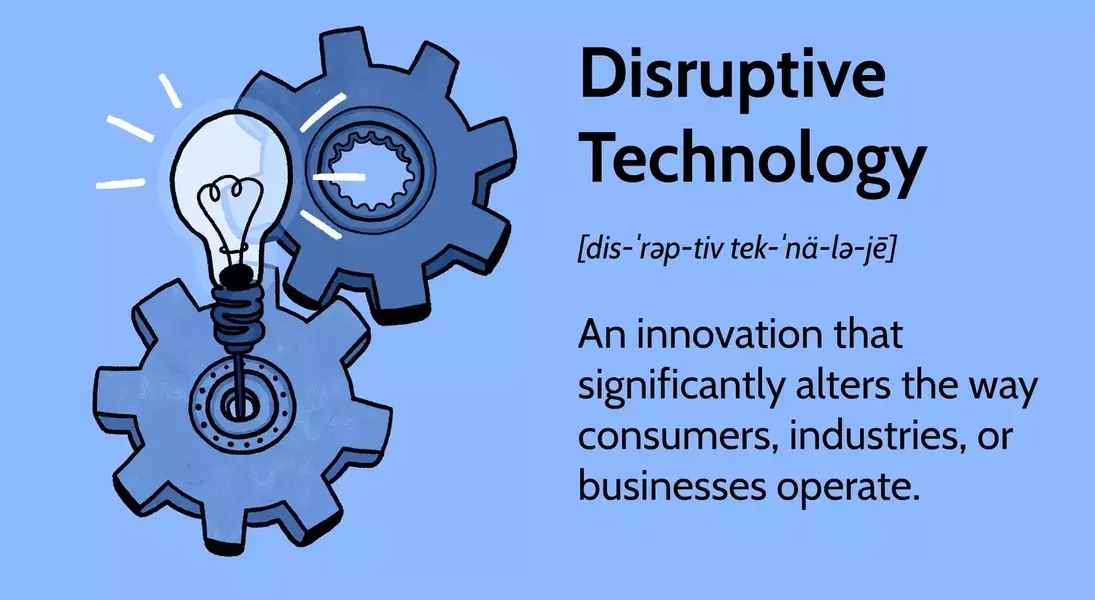
Disruptive technologies represent a significant shift in how various sectors and consumers operate, frequently introducing advanced solutions that render previous methods obsolete. This phenomenon is critical for understanding market evolution and strategic business development.
The concept of disruptive technologies gained prominence through Clayton Christensen's work, which underscored how nascent companies with novel ideas could challenge established market leaders. These new ventures often begin by catering to underserved customer segments, leveraging their agility to introduce groundbreaking products or services. In contrast, larger, more established corporations often struggle to adapt quickly to these unexpected shifts, focusing instead on incremental improvements. This dynamic allows disruptive forces to gradually expand their influence, eventually transforming broader market segments. The sudden emergence of these technologies makes anticipating and reacting to them a considerable challenge for traditional businesses.
Companies face a strategic choice when confronted with disruptive innovations: embrace them early, accepting higher risks, or adopt a more cautious approach, waiting to see how these technologies perform for others. Those that fail to integrate disruptive innovations risk losing market share to more adaptable competitors. A prime example is blockchain technology, which underpins digital currencies like Bitcoin. Blockchain decentralizes transaction records, moving away from central server-based systems to transparent, cryptographic networks. This not only streamlines financial transactions but also eliminates the need for intermediaries, potentially revolutionizing banking and brokerage services by significantly reducing costs and accelerating transaction times. Investing in these evolving technologies comes with inherent risks, as many disruptive products face uncertain adoption timelines. However, avenues like Exchange Traded Funds (ETFs) dedicated to disruptive technologies, encompassing fields such as artificial intelligence and financial technology, offer diversified investment opportunities, allowing investors to participate while managing risk through diversification.
Disruptive technology reshapes industries by introducing innovations that surpass current systems, as evidenced by historical examples like electricity and contemporary advancements such as blockchain. These innovations frequently originate from startups targeting overlooked market segments, compelling established firms to adapt or face obsolescence. Although investing in disruptive technologies presents significant risks, opportunities abound through investment vehicles like ETFs focused on emerging sectors. Investors should carefully consider their risk tolerance and the long-term potential when engaging with these transformative innovations, embracing the future with foresight and adaptability.
